 Acrylic Laser Cutting: The Best Material for Precision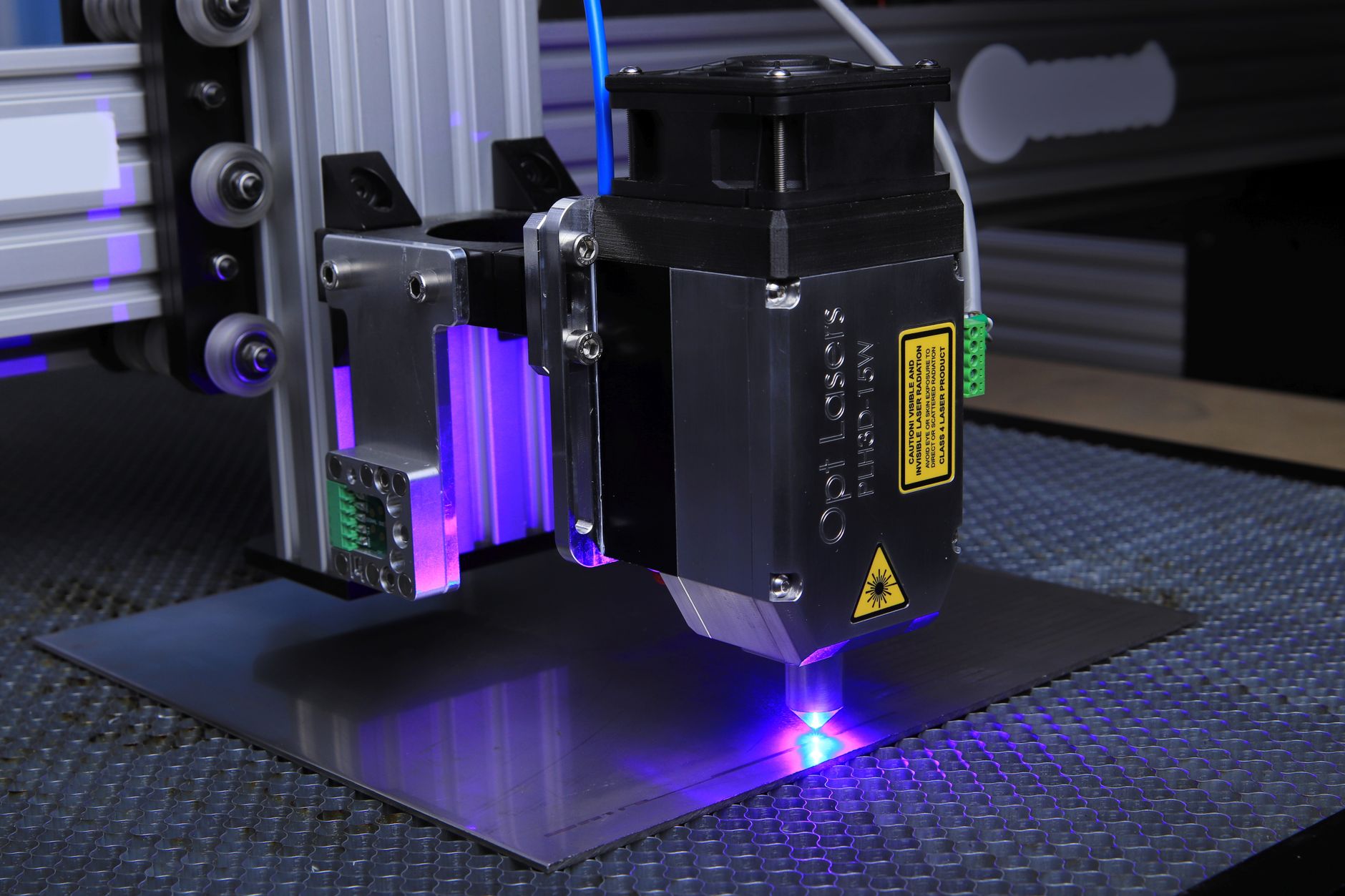
Why Acrylic Laser Cutting Delivers Extraordinary Results
Acrylic laser cutting is the definitive choice for achieving clean, precise edges and intricate designs in modern fabrication. Unlike traditional cutting methods, laser technology vaporizes acrylic material without physical contact, eliminating the risk of chipping or cracking. This extraordinary process produces a polished, flame-polished edge that often requires no secondary finishing. For businesses and hobbyists alike, the combination of speed, accuracy, and versatility makes acrylic an unmatched material for laser projects.
The demand for acrylic components has surged recently due to its optical clarity, weather resistance, and ease of customization. Whether you need signage, display cases, or architectural models, acrylic offers a lightweight yet durable alternative to glass. When paired with a high-quality laser cutter, the results are nothing short of impressive — sharp corners, smooth curves, and repeatable precision batch after batch.
In this comprehensive guide, we will explore the proven advantages of acrylic as a laser cutting material, from its mechanical properties to its wide range of applications. If you are considering your next project, understanding why acrylic stands out will help you make an informed decision.
The Proven Benefits of Acrylic Laser Cutting
Exceptional Edge Quality
One of the most celebrated features of acrylic laser cutting is the flame-polished edge it produces. As the laser beam melts and vaporizes the material, it simultaneously seals the cut edge, resulting in a glossy, transparent finish. This eliminates the need for sanding or polishing, saving time and labor costs. For applications like retail displays or awards, this factory-like finish adds a premium look instantly.
High Precision and Repeatability
Laser cutting technology offers tolerances as tight as ±0.1 mm, making it ideal for parts that must fit together perfectly. Acrylic maintains its dimensional stability under the laser beam, so even complex geometries — such as interlocking pieces or fine text — are reproduced accurately. This level of precision is difficult to achieve with mechanical cutting or routing, especially on thin sheets.
Versatility Across Applications
From top-quality laser cutting service for precise results to custom prototypes, acrylic adapts to virtually any project. It can be cut into intricate patterns, engraved with logos, or bent into three-dimensional shapes after cutting. The material is available in a wide range of colors, thicknesses (1 mm to 25 mm), and finishes — including transparent, translucent, and opaque. This versatility makes it a favorite in industries like advertising, furniture, automotive, and electronics.
How Acrylic Compares to Other Laser Materials
Acrylic vs. Wood
While wood offers a natural aesthetic, it often suffers from burn marks, charring, and inconsistent grain that affect cut quality. Acrylic laser cutting eliminates these issues, producing uniform results regardless of the sheet’s origin. Additionally, acrylic is moisture-resistant and won’t warp or rot like wood, making it suitable for outdoor signage and long-lasting installations.
Acrylic vs. Metal
Metal cutting requires significantly higher laser power and often leaves sharp burrs that need deburring. Acrylic, on the other hand, cuts cleanly at lower power levels and does not produce hazardous sparks or fumes when processed correctly. For decorative and non-structural parts, acrylic provides a lighter, more cost-effective solution without sacrificing strength or clarity.
Key Applications of Acrylic Laser Cutting
Signage and Displays
Acrylic is the material of choice for illuminated signs, channel letters, and point-of-purchase displays. Its ability to transmit light evenly makes it perfect for backlit applications. Laser cutting allows for intricate lettering and logos that stand out, day or night.
Architectural Models and Prototypes
Architects and designers rely on acrylic laser cutting to create scale models with precise windows, doors, and structural elements. The material’s transparency helps visualize interior spaces, while its rigidity ensures models hold their shape during presentations.
Jewelry and Accessories
Fashion designers use acrylic to craft lightweight earrings, pendants, and bracelets. The laser can cut intricate lace-like patterns and engrave fine details, giving each piece a custom, handcrafted look at scale.
Best Practices for Acrylic Laser Cutting
Selecting the Right Acrylic Type
Not all acrylic is the same. Cast acrylic is preferred for laser cutting because it produces a cleaner, frost-free edge compared to extruded acrylic, which may have internal stresses that cause cracking. Always choose cast acrylic for the best results.
Optimizing Laser Settings
For most acrylic sheets, a CO2 laser operating between 40-150 watts is ideal. Cutting speed and power must be balanced to avoid melting or excessive heat buildup. A good starting point is 80% power at a speed that allows the laser to penetrate fully without lingering. Test cuts on scrap material help fine-tune settings for thickness and color.
Safety Considerations
Acrylic laser cutting produces fumes that should be properly vented or filtered. Always operate in a well-ventilated area or use an exhaust system. Additionally, never leave the machine unattended during operation, and keep a fire extinguisher nearby as a precaution.
By following these guidelines, you can achieve professional-grade results consistently. The combination of the right material, machine, and technique unlocks the full potential of acrylic laser cutting.
Ready to bring your designs to life with unmatched precision? Contact us today to discuss your project and experience the difference that acrylic laser cutting can make. Our team is ready to provide expert guidance and fast turnaround on your next order.