 Laser Cutting Precision: 7 Key Factors That Affect
Introduction to Laser.net.tr/laser-cutting-technology-basics/” title=”Laser Cutting Technology: A Comprehensive Academic”>Laser Cutting Precision
laser cutting precision is the cornerstone of modern manufacturing, enabling intricate designs and tight tolerances across industries. Whether you’re crafting custom signage or producing complex mechanical parts, understanding what affects precision is essential. This guide explores the key factors that influence how accurately a laser cuts, helping you achieve flawless results every time.
From beam quality to material properties, each element plays a role. By mastering these variables, you can reduce waste, improve edge finish, and enhance overall efficiency. Let’s dive into the seven most critical aspects of laser cutting precision.
1. Beam Quality and Focus
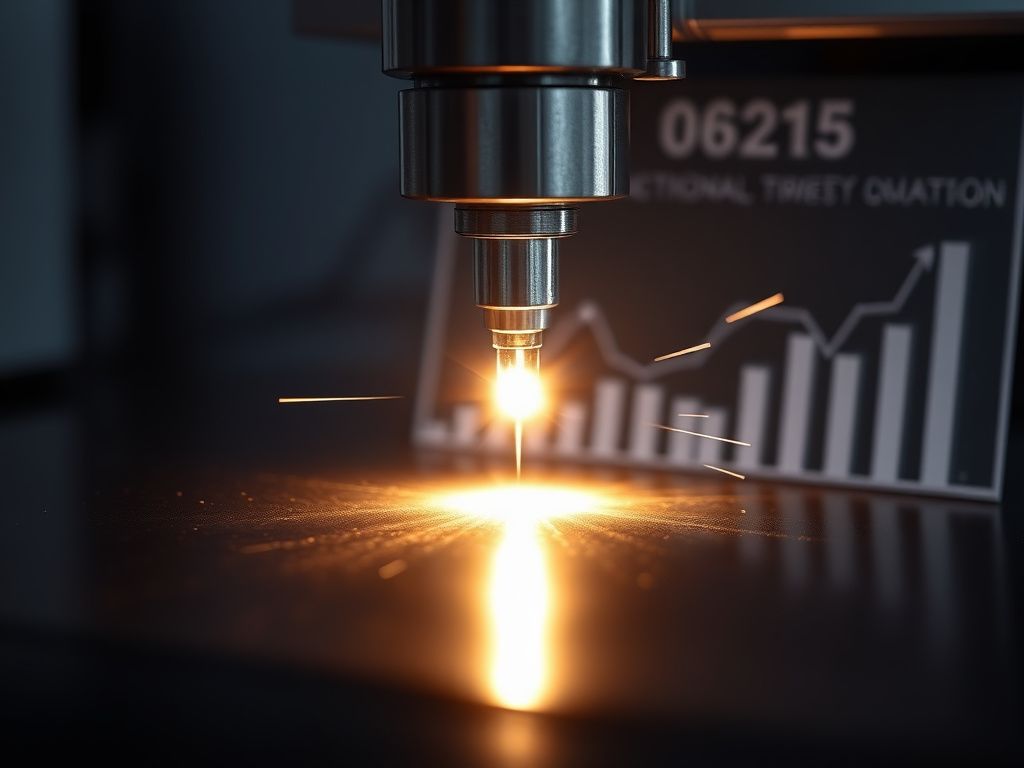
The laser beam itself is the heart of the process. A high-quality beam with a consistent mode (typically TEM00) produces a smaller spot size, which directly improves precision. The focus position—where the beam converges to its smallest diameter—must be accurately set for the material thickness. Even a slight deviation can widen the kerf and reduce edge sharpness.
How Focus Affects Cut Quality
When the focus is too high or too low, the beam diverges, causing a wider cut and more heat-affected zone (HAZ). Modern laser systems often include automatic focus control, but manual calibration remains important for specialized jobs. Regular lens cleaning and alignment checks are simple ways to maintain laser cutting precision.
2. Material Type and Thickness
Different materials respond uniquely to laser energy. Metals like stainless steel require higher power and slower speeds, while acrylic cuts quickly with a clean edge. Thickness also matters: thicker materials need more power and can experience beam divergence, reducing precision. Understanding your material’s thermal conductivity, reflectivity, and melting point helps optimize settings.
For example, kerf width varies with material—a critical consideration for tight tolerances. Always test on scrap before production runs.
3. Laser Power and Pulse Settings
Power output directly influences cutting speed and edge quality. Too much power can cause excessive melting or burning, while too little leads to incomplete cuts. Pulsed lasers offer additional control: shorter pulses reduce heat buildup, minimizing HAZ and improving precision for delicate materials.
Adjusting power in tandem with feed rate is key. Many operators use a power-speed chart as a starting point, then fine-tune based on visual inspection. Consistent power delivery from the laser source also prevents variability.
4. Assist Gas Type and Pressure
Assist gas (oxygen, nitrogen, or compressed air) serves multiple purposes: it blows away molten material, cools the cut zone, and can even enhance the cutting reaction. The wrong gas or pressure can lead to dross, rough edges, or discoloration. Gas assistance is a proven method to improve cut quality.
For instance, oxygen increases cutting speed for mild steel but can create an oxide layer. Nitrogen produces a cleaner edge for stainless steel. Pressure must be balanced—too high can cause turbulence, too low leaves debris.
5. Cutting Speed and Feed Rate
The speed at which the laser head moves across the material directly affects precision. Too fast, and the cut may be incomplete or have a tapered edge. Too slow, and excess heat builds up, widening the kerf and causing burn marks. Optimal speed depends on material, thickness, and power.
Modern CNC controls allow precise speed adjustments. Some systems use adaptive control to maintain consistent cutting conditions. Monitoring speed in real-time helps catch deviations early.
6. Machine Stability and Calibration
A sturdy machine frame minimizes vibrations that can throw off cuts. Linear guides, ball screws, and servo motors all contribute to positional accuracy. Regular calibration of the laser head, bed leveling, and motion system ensures repeatable laser cutting precision.
Environmental factors like temperature and humidity can also affect machine alignment. Keeping the workspace climate-controlled and performing routine maintenance—such as cleaning lenses and checking mirrors—extends the life of the equipment and maintains quality.
7. Design File and Software Settings
The digital design must be clean and optimized. Vector files with proper line thickness, closed paths, and correct scaling reduce errors. Vector file preparation is a critical step. Software parameters like kerf compensation, cut order, and power mapping also influence the final result.
Common mistakes include overlapping lines, missing fonts, and incorrect units. Always preview the cut path and simulate if possible. Using high-quality design software and exporting in the right format (e.g., DXF, AI) prevents surprises.
Bringing It All Together for Superior Cuts
Mastering these factors requires practice and attention to detail. Start by evaluating your current setup: check beam alignment, test gas pressure, and review your design files. Small adjustments can yield significant improvements in edge quality and dimensional accuracy.
For businesses seeking consistent results, partnering with a professional service can save time and materials. Our laser cutting service combines advanced equipment with expert knowledge to deliver precision parts. Contact us today to discuss your project and experience the difference that meticulous control makes.