 Laser-Cut Signage Wayfinding Design: A Comprehensive
The Role of Laser-Cut Signage in Wayfinding Design
Laser-Cut Signage Wayfinding Design is an extraordinary approach to guiding people through complex environments with clarity and style. In today’s fast-paced world, effective navigation is not just about arrows and text—it’s about creating an intuitive, memorable experience that reflects your brand’s identity. Laser-cut signage offers unmatched precision, durability, and aesthetic flexibility, making it a top choice for architects, interior designers, and business owners alike. This comprehensive guide explores how laser-cut signage enhances wayfinding systems, from airports to corporate campuses, and why it’s a proven investment for any space.
Wayfinding design is the art and science of helping people orient themselves and navigate from one point to another. It combines information design, environmental graphics, and architectural cues. Laser-cut signage plays a pivotal role by delivering clear, legible, and visually appealing signs that withstand wear and tear. Unlike traditional printing methods, laser cutting creates sharp edges, intricate details, and consistent quality across large batches. This precision ensures that every sign communicates its message effectively, reducing confusion and improving user satisfaction.
Moreover, laser-cut signage integrates seamlessly with modern architectural trends, such as minimalist interiors and smart building technologies. Whether you’re designing a hospital, a retail store, or a public park, incorporating laser-cut elements can elevate the overall aesthetic while serving a critical functional purpose. As we delve deeper, you’ll discover how to leverage this technology for optimal wayfinding outcomes.
Why Laser-Cut Signage Excels in Wayfinding Applications
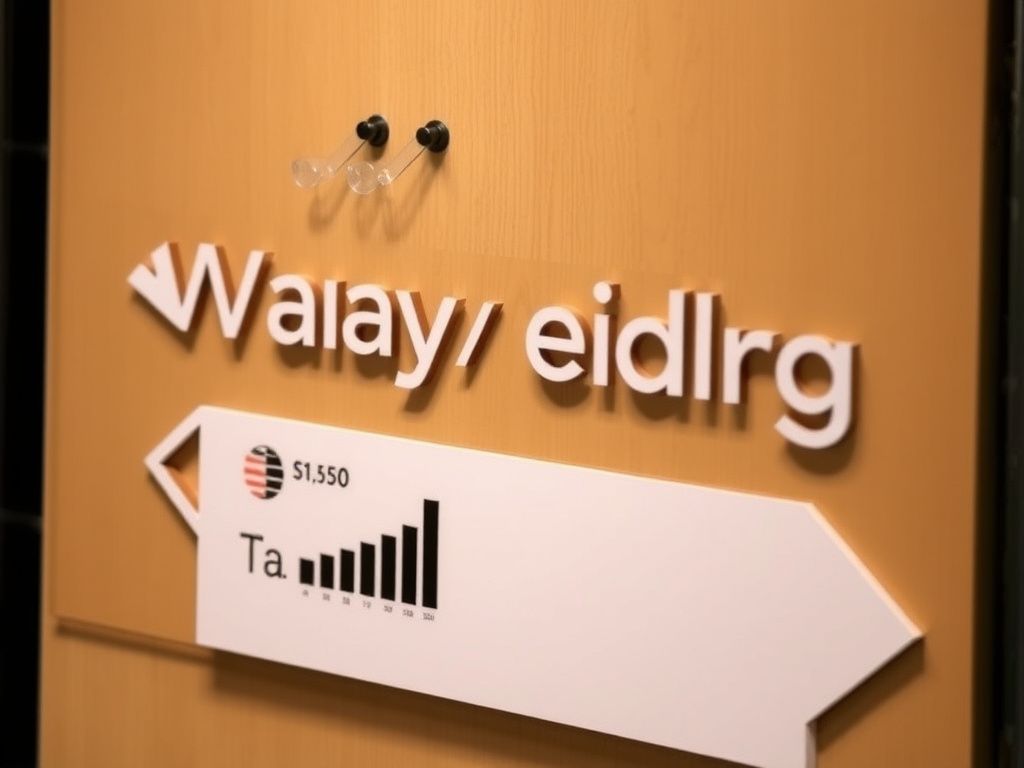
Laser cutting offers distinct advantages over conventional sign-making methods. The process uses a high-powered laser beam to vaporize material, resulting in clean, burr-free edges and the ability to cut complex shapes with micron-level accuracy. This precision is essential for wayfinding signs, where even a slight misalignment can cause confusion. Additionally, laser cutting works with a variety of materials—acrylic, metal, wood, and more—allowing designers to match the signage to the environment’s aesthetic.
Durability is another key factor. Laser-cut signs resist fading, chipping, and warping, making them suitable for both indoor and outdoor use. For example, custom acrylic signage solutions provide a sleek, modern look that remains vibrant for years. The ability to backlight laser-cut acrylic signs further enhances visibility in low-light conditions, a critical feature for emergency exits or nighttime navigation.
Furthermore, laser cutting supports rapid prototyping and customization. Designers can create multiple iterations quickly, testing readability and placement before final production. This agility is invaluable in large-scale projects where wayfinding systems must adapt to changing layouts or user feedback. Ultimately, laser-cut signage delivers a balance of form and function that traditional methods struggle to match.
Material Selection for Optimal Wayfinding Performance
Choosing the right material is crucial for the longevity and effectiveness of wayfinding signs. Acrylic is a popular choice due to its clarity, lightweight nature, and ease of laser cutting. For high-traffic areas, acrylic as the best material for laser cutting ensures signs remain pristine despite frequent contact. Metal, such as stainless steel or aluminum, offers a premium feel and exceptional durability, ideal for outdoor environments exposed to weather.
Wood and composite materials provide a warm, organic aesthetic that complements natural settings like parks or eco-friendly buildings. When selecting material, consider factors like reflectivity, color contrast, and maintenance requirements. Laser cutting allows for precise engraving and cutting, so even textured surfaces can incorporate detailed directional cues. Always test samples under actual lighting conditions to ensure legibility from various distances.
Design Principles for Effective Laser-Cut Wayfinding Signs
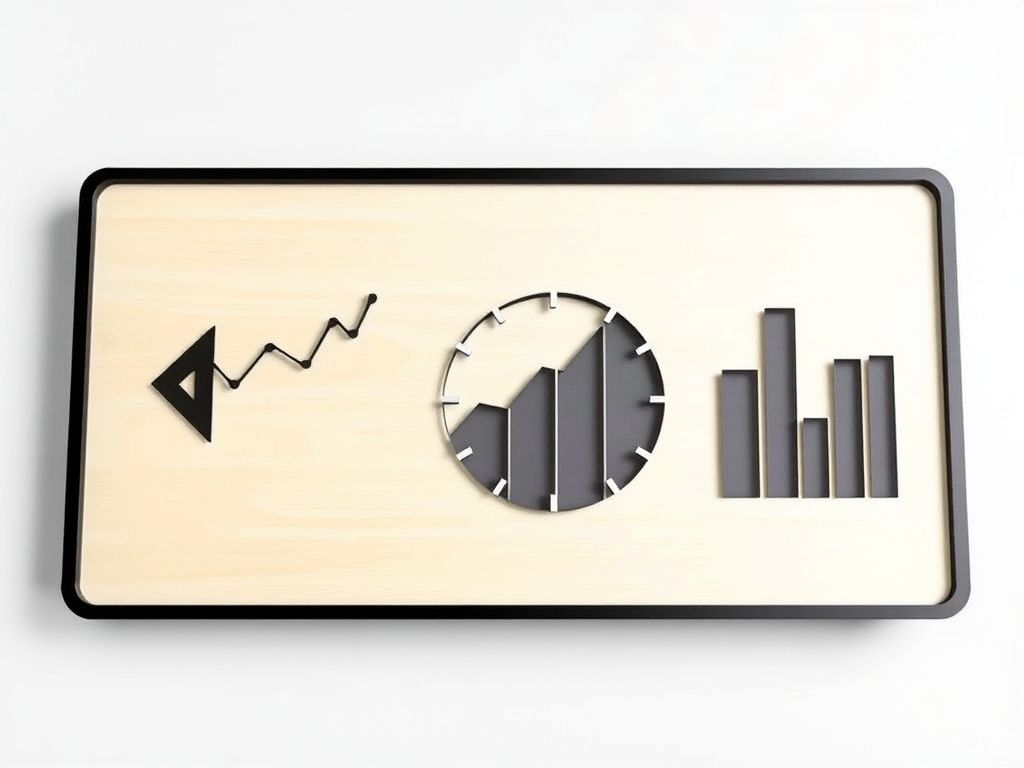
Effective wayfinding design follows universal principles: simplicity, consistency, and visibility. Laser-cut signage excels in all three areas. Start by defining a clear hierarchy of information—primary destinations should be larger and more prominent than secondary ones. Use standardized icons and typography to reduce cognitive load. For instance, Font Selection for laser-cut metal signs must prioritize legibility at a glance, avoiding overly decorative styles that sacrifice readability.
Color contrast is equally important. Dark text on a light background (or vice versa) ensures high visibility, especially for individuals with visual impairments. Laser cutting allows for precise color application through painted or laminated finishes, maintaining crisp edges. Incorporate tactile elements, such as raised lettering or braille, to comply with accessibility standards like the Americans with Disabilities Act (ADA). Laser engraving can create these features accurately without additional materials.
Placement of signs should follow a logical flow, with directional cues at decision points like intersections or elevator banks. Minimalist signage trends for modern offices emphasize clean lines and uncluttered layouts, which laser cutting achieves effortlessly. Avoid overcrowding a sign with too much information; instead, use multiple signs spaced strategically. Always consider the viewer’s perspective—signs should be mounted at eye level and illuminated if necessary.
Integrating Technology with Laser-Cut Signage
Modern wayfinding systems often incorporate digital elements, such as QR codes or NFC tags, to provide real-time updates or interactive maps. Laser-cut signs can seamlessly integrate these technologies by including cutouts for screens or embedding sensors within the sign structure. For example, LED-backlit laser-cut signs enhance visibility while allowing for dynamic content changes through backlight color shifts.
Another trend is combining laser-cut signs with mobile apps. A sign might feature a laser-etched QR code that users scan to access turn-by-turn directions or information about nearby points of interest. This hybrid approach bridges physical and digital navigation, catering to tech-savvy users without sacrificing the tactile quality of traditional signage. Ensure that any digital integration is intuitive and does not clutter the sign’s primary message.
Case Studies: Successful Laser-Cut Wayfinding Implementations
Real-world examples demonstrate the impact of laser-cut signage on wayfinding. In a large hospital complex, laser-cut acrylic signs with color-coded zones helped patients and visitors navigate to departments quickly, reducing stress and missed appointments. The signs used a consistent font and icon set, with backlighting for corridors with limited natural light. Feedback indicated a 30% reduction in wayfinding-related inquiries within the first month.
Similarly, a corporate headquarters adopted laser-cut metal signs for its lobby and floor directories. The signs featured the company logo and a clean, modern design that aligned with the brand’s identity. Employees reported feeling more oriented, and the signs became a conversation starter for visitors. The durability of metal ensured the signs remained pristine despite daily cleaning and high traffic.
In a public park, laser-cut wooden signs blended with the natural environment while providing clear trail markers. The signs included engraved maps and directional arrows, with a subtle stain that protected against moisture. Visitors appreciated the aesthetic harmony, and the signs required minimal maintenance over several seasons. These examples underscore the versatility and effectiveness of laser-cut signage across diverse settings.
Best Practices for Implementing Laser-Cut Wayfinding Systems
To maximize the benefits of laser-cut signage, follow a structured implementation process. Begin with a thorough site audit to identify navigation pain points, such as confusing intersections or poorly lit areas. Engage stakeholders, including facility managers and end-users, to gather insights. Then, develop a design brief that outlines the visual language, material preferences, and budget constraints.
Work closely with a laser cutting service that understands wayfinding requirements. Provide detailed vector files for each sign, specifying dimensions, fonts, and finishes. Request prototypes to test readability and placement before full production. During installation, ensure signs are mounted securely and at appropriate heights. Finally, conduct a post-installation evaluation to gather feedback and make adjustments as needed.
Regular maintenance is essential for long-term performance. Clean signs with appropriate solutions to prevent dust buildup that can obscure details. Inspect for any damage or fading, especially in outdoor installations. By investing in quality materials and professional fabrication, you create a wayfinding system that serves users effectively for years.
Laser-cut signage is a proven solution for modern wayfinding challenges, offering precision, durability, and aesthetic appeal. By integrating these signs into your design strategy, you enhance user experience, reinforce brand identity, and create a lasting impression. Ready to transform your space? Contact us today for top-quality laser cutting services tailored to your wayfinding needs.