 Laser Cutting vs Traditional Mechanical Cutting: Key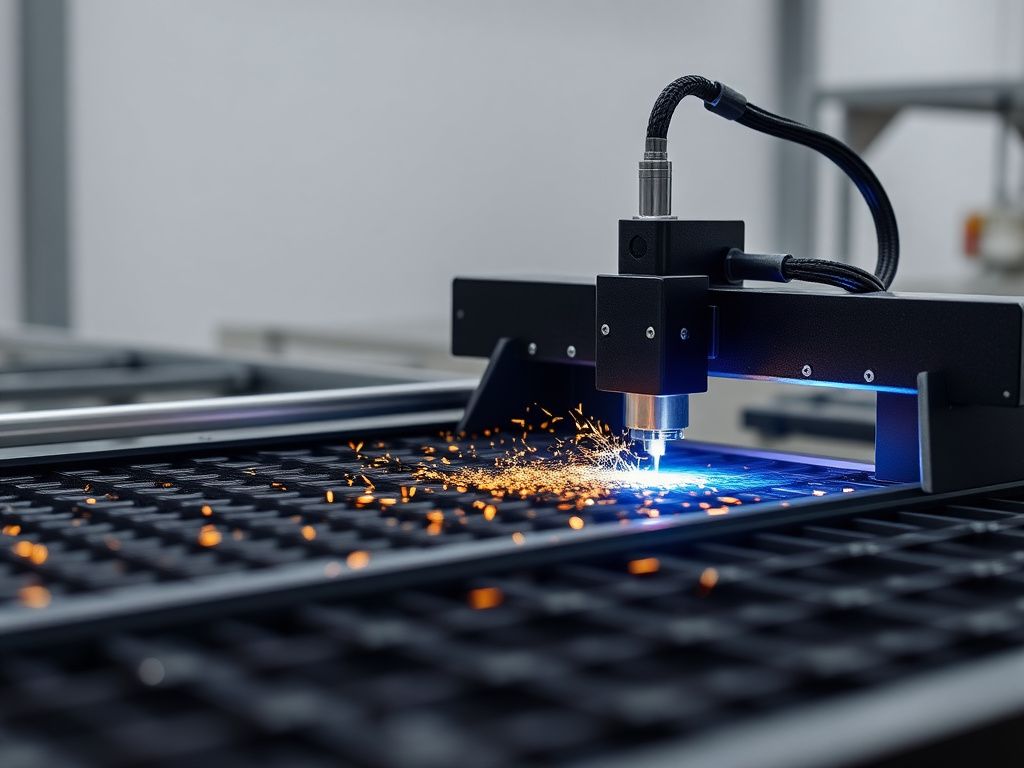
Laser Cutting vs Traditional Mechanical Cutting: An Overview
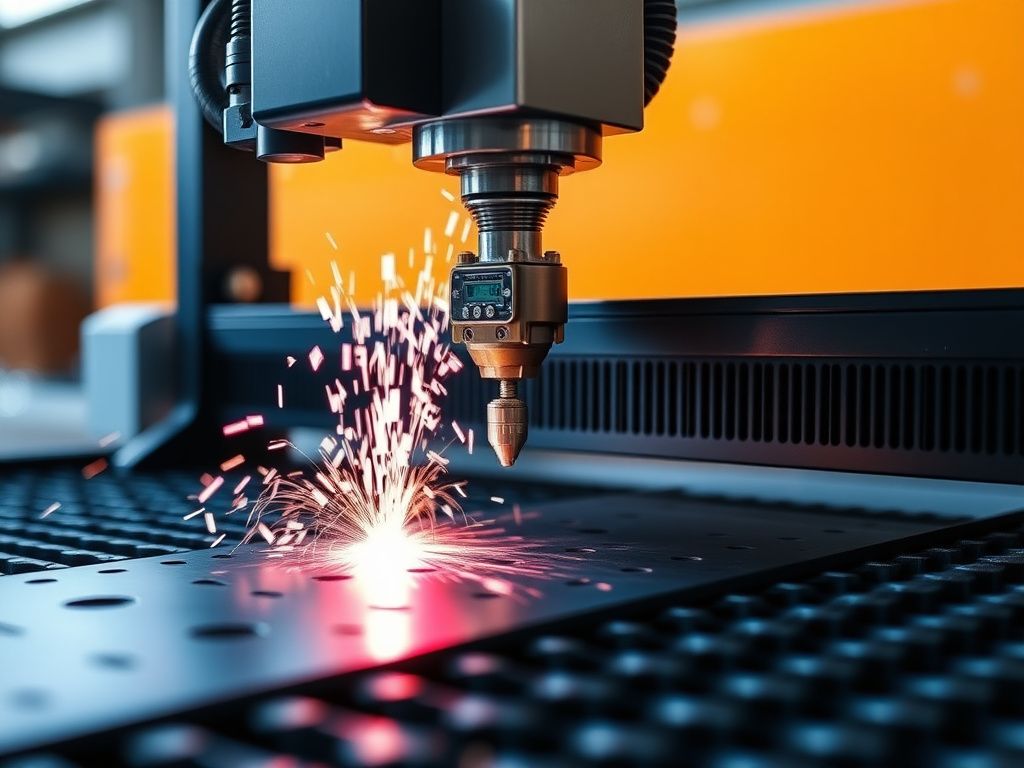
Laser Cutting vs Traditional Mechanical Cutting represents a pivotal decision in modern manufacturing. Laser cutting employs a focused, high-power laser beam to melt, burn, or vaporize material, achieving exceptional precision with minimal heat-affected zones. Traditional mechanical cutting encompasses methods like sawing, shearing, punching, and CNC routing that rely on physical force or rotating tools to separate Materials. This article provides a comprehensive comparison to help you determine which technology best suits your production needs.
As industries demand tighter tolerances and faster turnaround times, the choice between these two approaches significantly impacts quality, cost, and scalability. Laser cutting offers unparalleled accuracy for intricate designs, while traditional techniques often excel in high-volume, simple cuts. Understanding their distinct advantages is essential for optimizing your manufacturing workflow.
Precision and Accuracy in Laser Cutting vs Traditional Mechanical Cutting
Laser Cutting: Unmatched Precision
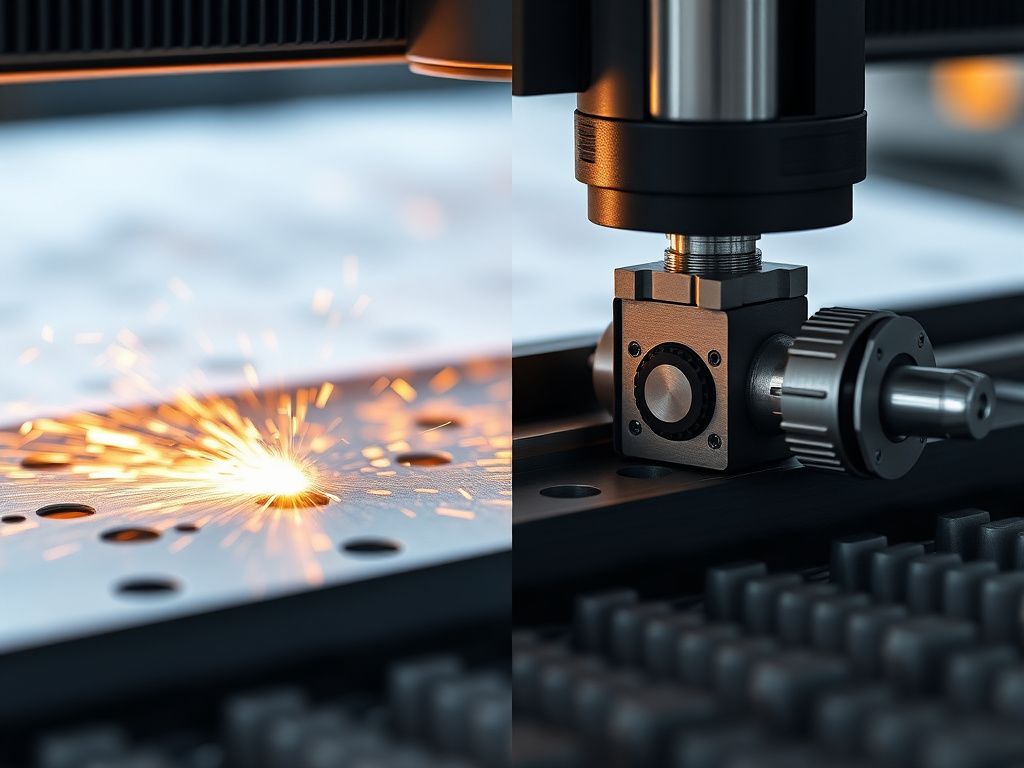
Laser cutting delivers exceptional precision, typically within ±0.1 mm, making it ideal for complex geometries, fine details, and tight tolerances. The non-contact nature eliminates tool wear and mechanical distortion, ensuring consistent results across batches. This precision is particularly valuable in industries like signage, aerospace, and medical device manufacturing, where even minor deviations can compromise functionality. For example, custom laser-cut signage relies on this accuracy to produce sharp logos and intricate patterns that enhance brand visibility.
Traditional Mechanical Cutting: Good but Limited
Traditional mechanical cutting methods, such as CNC routing or sawing, can achieve tolerances around ±0.2–0.5 mm depending on material and tool condition. However, tool wear, vibration, and material deflection introduce variability over time. While suitable for larger parts or less demanding applications, mechanical cutting struggles with intricate details and thin materials. For instance, laser cutting vs CNC routing for acrylic clearly demonstrates the superior edge quality and repeatability of laser technology.
Speed and Efficiency Comparison
Laser Cutting: Rapid and Flexible
Laser cutting operates at high speeds, especially for thin materials, and requires no tool changes between jobs. Setup time is minimal—simply upload a CAD file and adjust parameters. This makes laser cutting exceptionally efficient for prototyping, short runs, and just-in-time production. The ability to cut multiple parts from a single sheet with optimized nesting further maximizes material utilization and throughput.
Traditional Mechanical Cutting: Faster for Simple, High-Volume Cuts
Mechanical methods like punching or high-speed sawing can outperform lasers for simple, straight cuts in high volumes. However, each unique geometry often requires a dedicated tool or fixture, increasing setup time and cost. For complex shapes, mechanical cutting may require multiple passes or secondary operations, slowing overall production. In many modern facilities, laser cutting has become the default for its versatility and speed, especially when combined with automation.
Material Compatibility and Limitations
Laser Cutting: Wide Range of Materials
Laser cutting handles metals (steel, aluminum, stainless steel), plastics (acrylic, polycarbonate), wood, textiles, and composites. It is particularly effective for materials prone to cracking or deformation under mechanical stress. For example, acrylic is a best material for laser cutting due to its clean edge and minimal stress. However, highly reflective metals like copper or aluminum may require specialized laser sources.
Traditional Mechanical Cutting: Limited by Material Properties
Mechanical cutting is suitable for most metals, wood, and plastics, but struggles with brittle or heat-sensitive materials that may chip, crack, or warp. Tool wear is a significant factor when cutting abrasive or hard materials, leading to frequent replacements and downtime. Additionally, mechanical methods often produce burrs or rough edges that require secondary finishing, adding time and cost.
Cost Analysis: Laser Cutting vs Traditional Mechanical Cutting
Initial Investment and Operating Costs
Laser cutting machines have a higher upfront cost compared to many traditional tools. However, operating costs are lower due to reduced tooling expenses, minimal maintenance (no moving parts in the cutting head), and high energy efficiency for thin materials. Traditional mechanical equipment is cheaper initially but incurs ongoing costs for tool replacement, sharpening, and maintenance.
Total Cost Per Part
For low to medium volumes, laser cutting often yields a lower cost per part because of its speed and minimal setup. For high-volume, simple parts, traditional methods may be more economical. Yet, when factoring in secondary operations (deburring, edge finishing), laser cutting frequently proves more cost-effective overall. The precision of laser cutting also reduces material waste, further lowering costs.
Edge Quality and Finish
Laser Cutting: Clean, Burr-Free Edges
Laser cutting produces smooth, square edges with minimal burrs, often eliminating the need for post-processing. For acrylic, polished edge laser-cut acrylic techniques achieve a flame-polished finish that is ready for immediate use. This high-quality edge is critical for aesthetic applications like signage, displays, and architectural elements.
Traditional Mechanical Cutting: Rougher Edges
Mechanical cutting typically leaves burrs, rough edges, or tool marks that require sanding, grinding, or deburring. While acceptable for hidden or structural components, these imperfections are undesirable for visible parts. Additional finishing steps increase labor time and cost, reducing overall productivity.
Design Flexibility and Complexity
Laser Cutting: Unrestricted Design Freedom
Laser cutting excels at producing complex shapes, small holes, sharp corners, and intricate patterns without tool constraints. Design changes can be implemented instantly by modifying the digital file, enabling rapid iteration and customization. This flexibility is ideal for custom trade show displays where unique, eye-catching designs are paramount.
Traditional Mechanical Cutting: Limited by Tool Geometry
Mechanical cutting is restricted by tool access, minimum radius, and depth limits. Sharp internal corners often require relief cuts or secondary operations. Complex parts may need multiple setups or specialized tooling, increasing lead time and cost. For highly detailed designs, laser cutting is the clear winner.
Environmental and Safety Considerations
Laser Cutting: Cleaner and Safer
Laser cutting produces fewer airborne particles and noise compared to mechanical methods. Modern laser systems include fume extraction and filtration, ensuring a safe work environment. The process is also more energy-efficient for thin materials and generates less waste. However, proper ventilation is essential when cutting certain plastics or coated metals.
Traditional Mechanical Cutting: Higher Noise and Debris
Mechanical cutting generates significant noise, vibration, and metal chips or dust. Operators require hearing protection and guards to prevent injury. Coolants and lubricants used in some processes pose disposal challenges. While safety measures can mitigate risks, laser cutting generally offers a cleaner, quieter alternative.
Choosing between laser cutting and traditional mechanical cutting depends on your specific application, volume, material, and budget. Laser cutting excels in precision, flexibility, and edge quality, making it the preferred choice for intricate parts, short runs, and high-value products. Traditional methods remain relevant for simple, high-volume cuts where cost per part is the primary driver. As technology advances, laser cutting continues to expand its capabilities, often surpassing traditional methods in speed and cost-effectiveness. For businesses seeking to elevate their manufacturing quality and efficiency, investing in laser cutting services is a proven strategy. Contact us today to discuss your project and experience the difference that precision laser cutting can make.