 Polished Edge Laser-Cut Acrylic: Proven Techniques
Introduction to Polished Edge Laser-Cut Acrylic
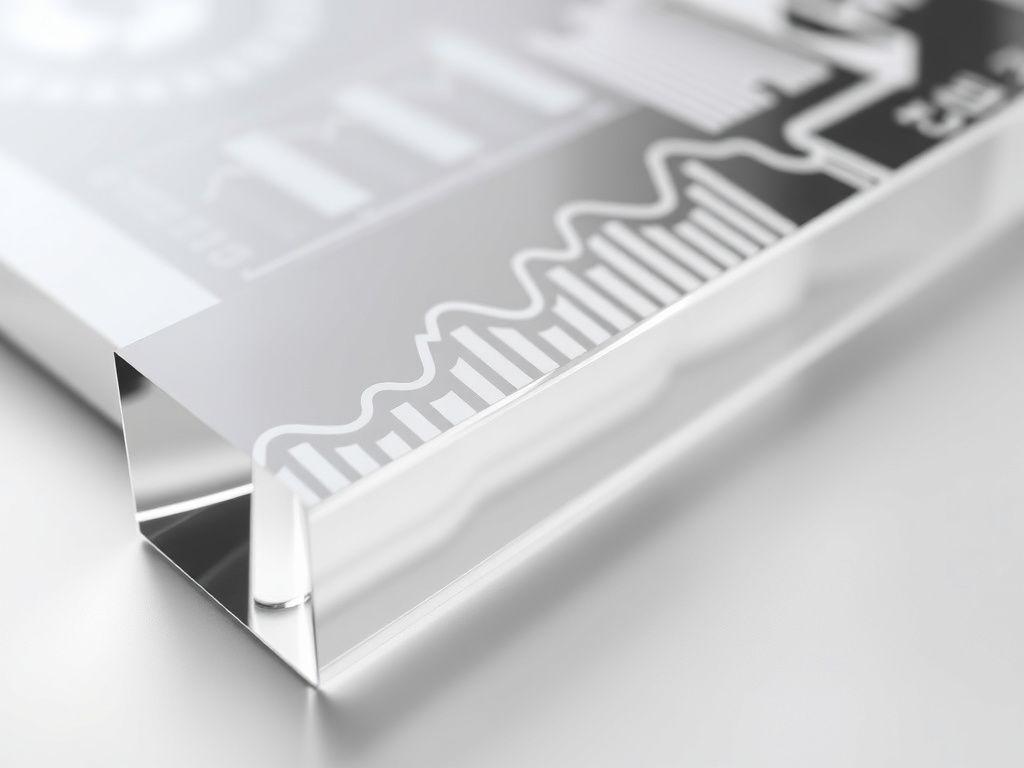
polished edge laser-cut acrylic is a hallmark of professional fabrication, transforming standard laser-cut parts into high-quality, visually appealing components. Achieving this finish requires understanding both the material properties of acrylic and the specific techniques that yield a smooth, transparent edge. In this comprehensive guide, we explore proven methods to deliver a polished edge laser-cut acrylic finish that meets the demands of precision industries.
Acrylic, also known as polymethyl methacrylate (PMMA), is prized for its optical clarity and durability. However, the laser cutting process often leaves a frosted or slightly rough edge due to the vaporization of material. A polished edge eliminates this opacity, restoring transparency and creating a seamless look. This is essential for applications in signage, display cases, and interior design, where aesthetics are paramount.
By mastering the techniques outlined below, you can consistently produce polished edge laser-cut acrylic parts that stand out. Whether you are a hobbyist or a professional fabricator, these insights will elevate your work to an expert level.
Understanding the Laser Cutting Process for Acrylic
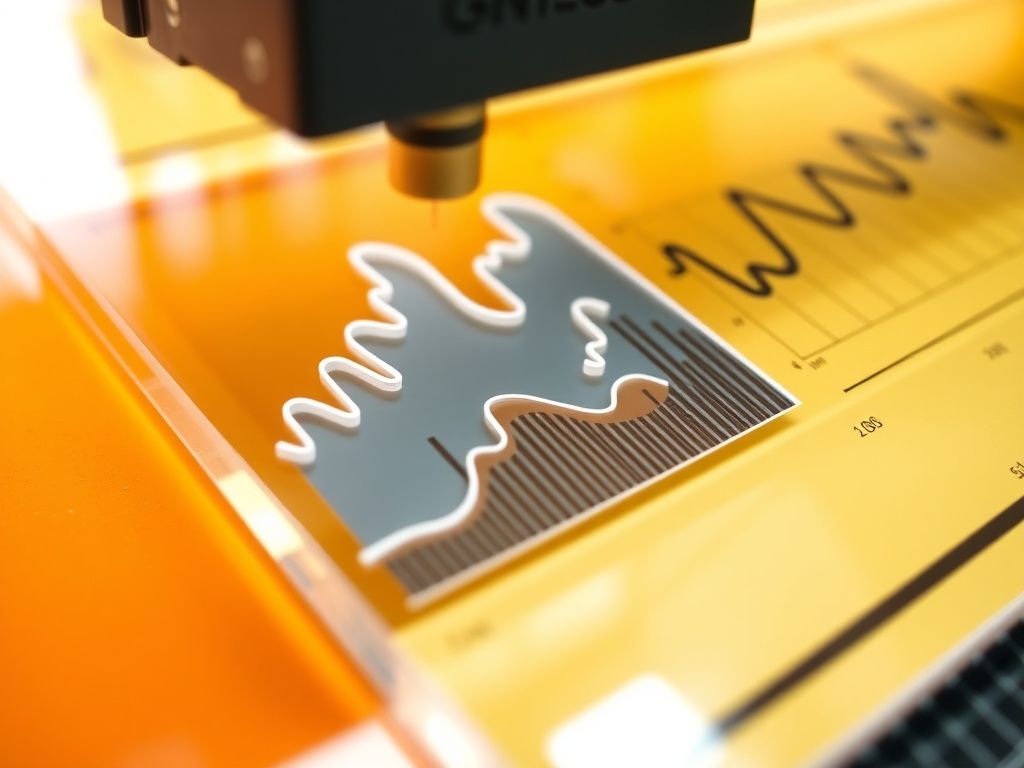
Before delving into polishing methods, it is crucial to understand how laser cutting affects acrylic edges. A CO2 laser beam melts and vaporizes the material along the cut path, creating a heat-affected zone. This zone often results in a matte or white appearance due to micro-fractures and re-solidified polymer. The degree of frosting depends on laser power, speed, and acrylic type (cast vs. extruded).
Why Edge Polishing Matters
An unpolished edge can detract from the clarity of acrylic, especially in transparent sheets. For projects like color acrylic laser projects, a polished edge enhances color vibrancy and light transmission. Additionally, polished edges reduce stress concentration points, which can lead to cracking over time. This is why professionals prioritize edge finishing in applications such as lighting diffusers and optical lenses.
Proven Techniques for a Polished Edge Laser-Cut Acrylic Finish
Several methods exist to achieve a polished edge laser-cut acrylic finish, each with its advantages and considerations. The choice depends on equipment availability, production volume, and desired quality. Below are the most effective techniques currently used in the industry.
Flame Polishing
Flame polishing is a rapid method that uses a controlled gas flame (typically oxygen and propane or hydrogen) to melt the surface of the acrylic edge. The heat smooths out micro-roughness, creating a glossy finish. This technique is ideal for straight edges and thick acrylic sheets. However, it requires skill to avoid overheating, which can cause bubbles or distortion. For best results, move the flame steadily along the edge at a consistent speed.
Sanding and Buffing
For those seeking a more controlled approach, sanding followed by buffing is highly effective. Start with coarse grit sandpaper (e.g., 400 grit) to remove major imperfections, then progress to finer grits (800, 1200, and 2000). Finally, use a buffing wheel with a polishing compound to achieve a mirror-like shine. This method works well for complex shapes but is labor-intensive. It is particularly useful for prevent stress cracks in laser-cut acrylic by eliminating sharp edges.
Chemical Vapor Polishing
Chemical vapor polishing exposes the acrylic edge to solvent vapors (such as methylene chloride or ethylene dichloride) that partially dissolve the surface, allowing it to reflow into a smooth finish. This technique is fast and produces a high-gloss result without mechanical contact. However, it requires proper ventilation and safety equipment due to the hazardous nature of the solvents. It is best suited for production environments where consistency is critical.
Optimizing Laser Parameters for Better Edges
The first step to achieving a polished edge laser-cut acrylic finish happens during the cutting process itself. By fine-tuning laser parameters, you can minimize initial roughness and reduce the need for extensive post-processing. Key variables include laser power, cutting speed, and focal point position.
Power and Speed Settings
Higher power settings with slower speeds can produce a cleaner cut with less residue, but they also increase the heat-affected zone. Conversely, lower power with faster speeds may reduce frosting but can leave a rougher edge. Experimentation is essential to find the sweet spot for your specific acrylic type. For cast acrylic, which is more sensitive to heat, moderate settings often yield better results.
Focal Point and Gas Assist
Adjusting the laser focal point to sit slightly below the material surface can improve edge quality by focusing the beam more effectively. Additionally, using compressed air or nitrogen as an assist gas helps remove vaporized debris, reducing re-deposition on the edge. This technique is especially beneficial for thick sheets, as discussed in laser cutting vs CNC routing for acrylic sheets.
Post-Processing Best Practices
After cutting, proper handling and cleaning are vital to maintain edge quality. Even the best polishing technique can be undermined by contamination or improper storage. Follow these best practices to ensure your polished edge laser-cut acrylic remains pristine.
Cleaning and Deburring
Immediately after cutting, remove any loose debris or residue using a soft cloth and isopropyl alcohol. For stubborn residues, use a mild detergent solution. Avoid abrasive cleaners that can scratch the surface. For detailed guidance, refer to cleaning laser-cut acrylic: proven best practices.
Protecting the Edge
Store polished acrylic parts with protective film or paper to prevent scratches during handling. If stacking multiple pieces, interleave them with soft material. This is particularly important for laser-cut acrylic interior design projects, where visual perfection is critical.
Advanced Considerations for High-Volume Production
for Businesses scaling up production of polished edge laser-cut acrylic parts, automation and consistency become key. Investing in specialized equipment such as automated flame polishers or CNC buffing stations can significantly reduce labor costs while maintaining quality. Additionally, implementing quality control checkpoints ensures every piece meets specifications.
Material selection also plays a role. Cast acrylic tends to polish more evenly than extruded acrylic due to its uniform molecular structure. For high-clarity applications, opt for optical-grade cast acrylic. This choice aligns with insights from acrylic laser cutting: the Best Material for precision.
To achieve a polished edge laser-cut acrylic finish consistently, document your processes and train operators thoroughly. Regular maintenance of laser optics and polishing tools prevents defects. By combining technical knowledge with practical experience, you can deliver exceptional results that satisfy even the most discerning clients. For those seeking professional assistance, consider partnering with a top-quality laser cutting service for precise results to ensure your projects meet the highest standards.