 Thermal Management Laser Cutting: Proven Tips for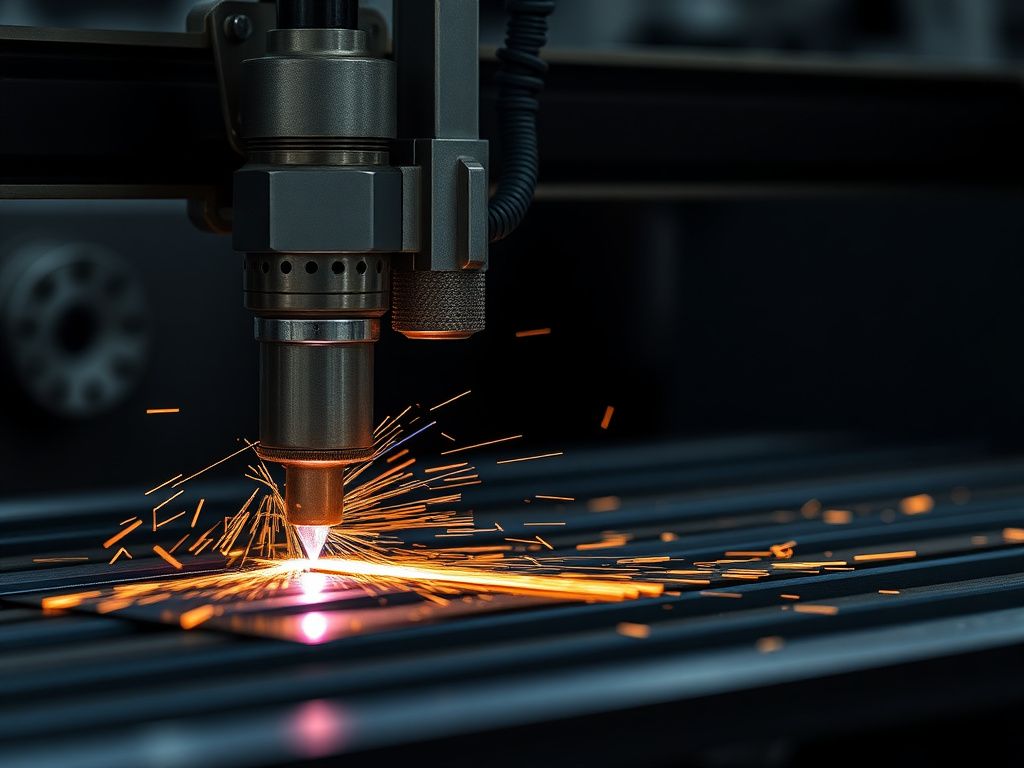
Why Thermal Management Laser Cutting Matters for Industrial Metal Fabrication
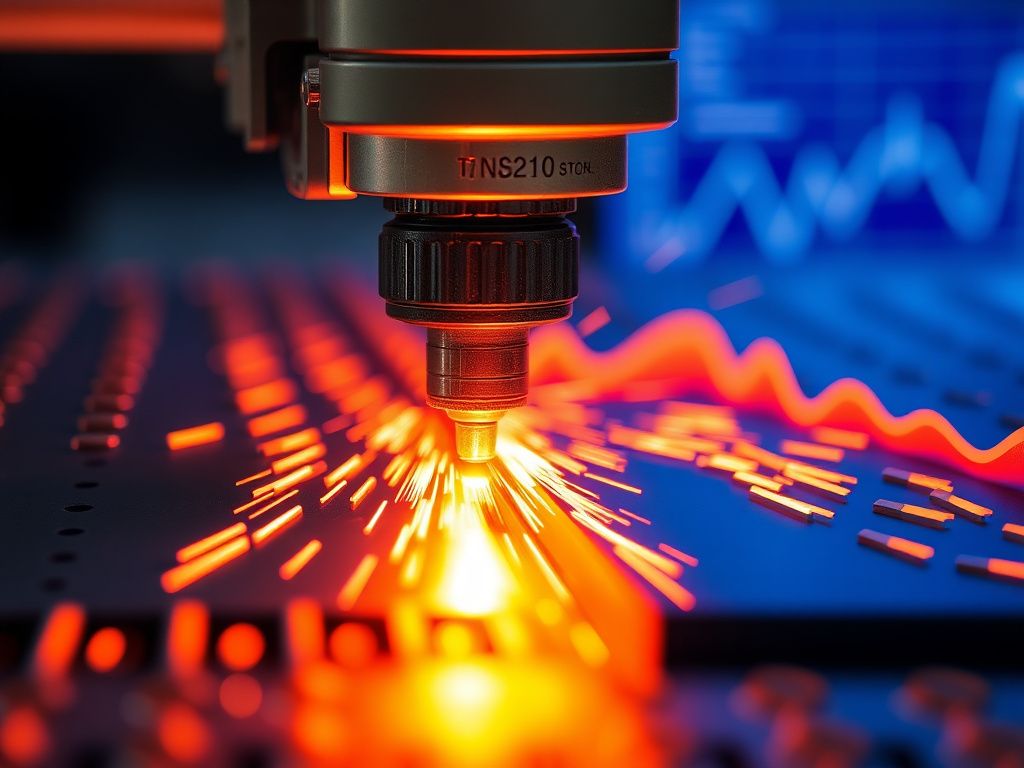
thermal management laser cutting is a critical factor that determines the success of every industrial metal fabrication project. When heat builds up uncontrollably during the cutting process, it can lead to warped edges, micro-cracks, and reduced part accuracy. Understanding how to control thermal effects is essential for achieving consistent, high-quality results in metal laser cutting.
In this guide, we’ll explore the key principles of thermal management in laser cutting, practical strategies to minimize heat-related issues, and how proper cooling techniques can extend the life of your laser system. Whether you’re cutting stainless steel, aluminum, or carbon steel, mastering heat control will elevate your production quality.
Thermal Management Laser Cutting: The Core Principles
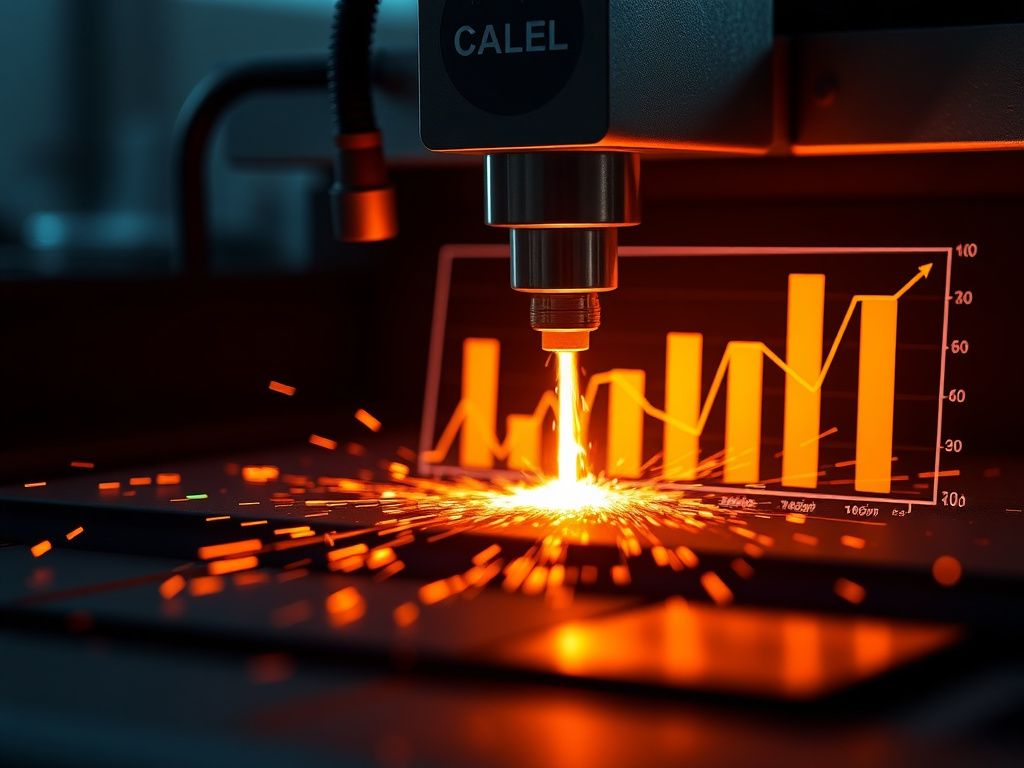
At its heart, thermal management laser cutting involves balancing the energy input from the laser beam with the heat dissipation capabilities of the material and the cutting system. The laser generates intense localized heat to melt or vaporize metal, but if that heat spreads beyond the cut zone, it can cause thermal distortion and affect the metallurgical properties of the surrounding material.
Heat Affected Zone (HAZ) and Its Impact
The heat affected zone (HAZ) is the area adjacent to the cut where the material’s microstructure is altered by elevated temperatures. A larger HAZ can lead to softening in heat-treatable alloys, increased brittleness, or changes in corrosion resistance. Effective thermal management aims to minimize the HAZ by optimizing cutting parameters and using appropriate assist gases.
Thermal Conductivity and Material Behavior
Different metals have varying thermal conductivity, which affects how quickly heat spreads. For instance, copper and aluminum dissipate heat rapidly, requiring higher laser power or slower cutting speeds. Stainless steel, with lower conductivity, tends to retain heat, increasing the risk of thermal buildup. Understanding these differences is crucial for selecting the right approach.
Strategies for Effective Heat Control in Laser Cutting
Implementing robust thermal management techniques can dramatically improve cut quality and reduce scrap rates. Here are proven strategies used by professionals.
Optimizing Cutting Parameters
Laser power, cutting speed, and pulse frequency all influence heat input. Slower speeds allow more time for heat to dissipate, while higher power may increase the HAZ. Fine-tuning these parameters for each material thickness is a fundamental step. Laser Cutting Precision: 7 Key Factors That Affect provides a deeper dive into parameter optimization.
Assist Gas Selection and Flow
Assist gases like oxygen, nitrogen, or compressed air play a dual role: they remove molten material and help cool the cut zone. Using nitrogen for stainless steel can reduce oxidation and improve edge quality, while oxygen can increase cutting speed for mild steel but may generate more heat. Proper gas flow and pressure settings are vital. Gas Assistance Laser Cutting: Improve Cut Quality offers detailed guidance on gas selection.
Nozzle Design and Focus Position
The nozzle directs the assist gas and influences heat distribution. A properly designed nozzle ensures efficient gas delivery and cooling. Additionally, setting the correct focus position relative to the material surface affects the kerf width and heat concentration. Slight defocusing can spread the beam over a larger area, reducing thermal stress.
Advanced Cooling Technologies for Industrial Laser Systems
Beyond process parameters, the laser system itself must be kept cool to maintain performance and longevity. Modern industrial lasers incorporate sophisticated cooling systems.
Chiller Systems and Temperature Control
Most high-power laser sources use closed-loop water chillers to maintain a stable operating temperature. The chiller removes excess heat from the laser resonator and optics, preventing thermal drift that can degrade beam quality. Regular maintenance of the chiller, including coolant level checks and filter cleaning, is essential.
Beam Delivery and Optics Cooling
The laser beam travels through mirrors and lenses that can absorb heat. Active cooling of these components—using air or water—prevents thermal lensing, where the optics deform due to temperature changes, causing focus shift. This is especially critical in high-power applications.
Common Thermal Defects and How to Avoid Them
Even with careful planning, thermal issues can arise. Recognizing these defects early helps in adjusting the process.
Burr Formation and Dross
Excessive heat can cause molten metal to re-solidify on the bottom edge, forming burrs or dross. This is often a sign of insufficient assist gas flow or incorrect cutting speed. Adjusting parameters and ensuring proper gas pressure can mitigate this.
Thermal Distortion and Warping
Thin sheets are particularly prone to warping when heat accumulates. Using a heat sink or support structure, reducing power, or employing a pulsing technique can minimize distortion. Laser Cutting Material Usage: Optimize Efficiency & includes Tips for handling thin materials.
Best Practices for Thermal Management in Metal Laser Cutting
Adopting a systematic approach to thermal management yields consistent results. Start by characterizing your material—conduct test cuts to determine optimal parameters. Document the settings for each material and thickness. Use real-time monitoring tools like pyrometers or thermal cameras to track temperature during production. Finally, keep your equipment well-maintained, including clean optics and properly functioning chillers.
For more insights on achieving precision in metal laser cutting, explore Metal Laser Cutting: Precision and Speed Benefits and Laser Cutting Stainless Steel: Proven Benefits for.
Ready to take your thermal management to the next level? Contact our team today for a free consultation on optimizing your laser cutting process. We’ll help you achieve cleaner cuts, faster speeds, and longer equipment life.