 3D laser-cut lettering: Proven Design Tips for
Why 3D Laser-Cut Lettering Elevates Your Signage
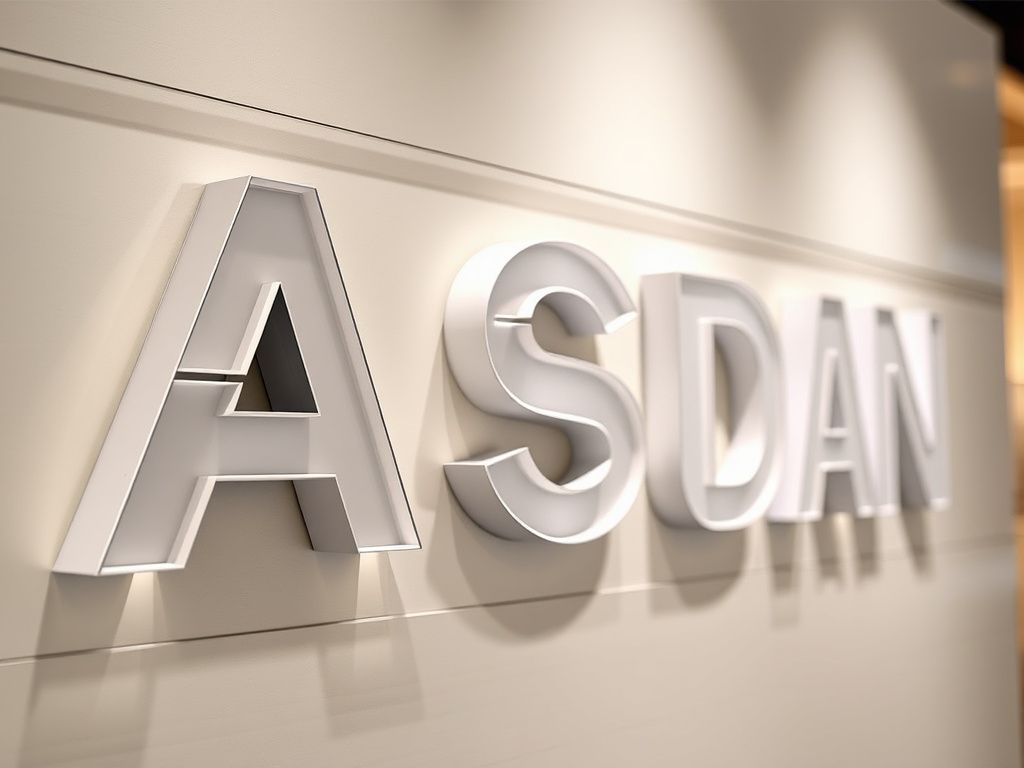
3D laser-cut lettering transforms ordinary signs into extraordinary brand statements. Unlike flat, printed letters, dimensional acrylic characters catch light from every angle, creating depth and visual intrigue that draws the eye. In today’s competitive advertising landscape, standing out is non-negotiable, and dimensional signage delivers that advantage effortlessly. Whether for storefronts, office lobbies, or trade show displays, 3D laser-cut lettering commands attention and communicates professionalism.
The precision of laser cutting ensures each letter has sharp, clean edges that reflect light beautifully. When combined with polished edges, the result is a premium finish that rivals expensive metal or glass signage. Polished Edge Laser-Cut Acrylic: Proven Techniques explores how to achieve that flawless, glossy edge that makes letters pop. This technique is especially effective for 3D lettering because the polished surface catches highlights, enhancing the dimensional effect.
Beyond aesthetics, 3D laser-cut lettering offers durability. Acrylic is weather-resistant, UV-stable, and lightweight, making it ideal for both indoor and outdoor applications. Unlike painted or vinyl letters, laser-cut acrylic won’t fade, peel, or crack over time. This longevity ensures your investment in signage continues to pay dividends for years, reinforcing brand identity consistently.
Design Principles for Impressive 3D Laser-Cut Lettering
Choosing the Right Font and Thickness
The foundation of any great 3D laser-cut lettering project is the font selection. Sans-serif fonts like Helvetica, Futura, or Gotham work best for dimensional letters because their clean lines translate well into physical forms. Avoid overly ornate or thin serif fonts, as delicate details may break during cutting or handling. Thickness matters too: letters should be at least 3mm to 5mm thick for structural integrity, especially for larger signs. Thicker letters (10mm or more) create a bolder 3D effect but require more material and laser power.
Consider the viewing distance: for storefront signs viewed from the street, larger, bolder letters with high contrast work best. For interior lobby signs, thinner, more elegant fonts can create a sophisticated look. Acrylic Best Material Laser Cutting: Precision & details why acrylic is the preferred material for achieving crisp, intricate font details without compromise.
Color and Finish Combinations
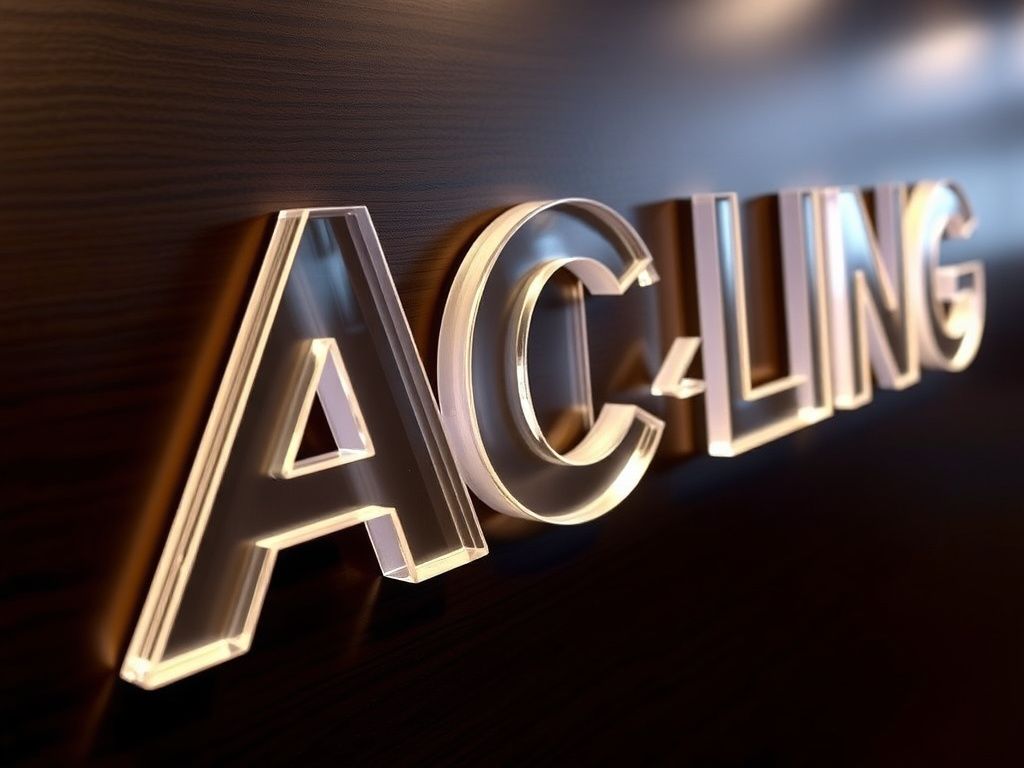
Color selection dramatically impacts the visual impact of 3D laser-cut lettering. Contrast is key: dark letters on a light background or vice versa ensure readability. Metallic or mirrored acrylic finishes add a premium, reflective quality that catches light. For a modern, minimalist look, opt for white or clear acrylic with polished edges. For vibrant brand colors, Color Acrylic Laser Projects: Proven Techniques for offers guidance on achieving consistent, saturated colors without fading.
Layering colors is another powerful technique. For example, a base layer of white acrylic with a top layer of colored acrylic creates a two-tone effect that adds depth. Alternatively, back-painting the back of clear acrylic letters creates a floating, 3D effect when mounted away from the wall. This method uses the acrylic’s transparency to create a shadow or halo effect, enhancing the dimensional appearance.
Advanced Techniques for Stunning 3D Laser-Cut Lettering
Beveling and Edge Profiling
While flat-cut letters are effective, adding beveled edges or profile shapes takes 3D laser-cut lettering to the next level. Beveling involves cutting the letter at an angle, creating a chamfered edge that catches light differently on each side. This technique requires a laser cutter with precise angle control or a secondary routing step. The result is a letter that appears to have multiple facets, similar to a gemstone.
Edge profiling can also include rounded or domed tops. A domed letter looks like a raised bubble, while a rounded edge softens the overall appearance. These profiles work especially well for sans-serif fonts and add a tactile quality that invites touch. When combined with a polished edge finish, the letters become almost jewel-like in their appearance.
Backlighting and Illumination
Integrating LED backlighting behind 3D laser-cut lettering creates a captivating glow that makes signs visible day and night. The key is to mount the letters away from the wall using standoffs, allowing light to escape from behind. Using translucent or clear acrylic allows light to pass through the letters themselves, creating a halo effect. For colored acrylic, the light will take on the color of the material, so choose wisely.
To prevent light bleeding or hot spots, ensure the mounting surface is reflective or painted white. Diffusers can also help spread light evenly. With proper planning, backlit 3D laser-cut lettering becomes a beacon for your brand, drawing customers even from a distance. This technique is popular for high-end retail, hospitality, and corporate environments.
Practical Considerations for Long-Lasting 3D Laser-Cut Lettering
Material Selection and Thickness
Not all acrylic is created equal. For outdoor use, choose UV-stabilized acrylic to prevent yellowing and brittleness. Cast acrylic generally offers better optical clarity and edge polish than extruded acrylic, making it the preferred choice for premium 3D laser-cut lettering. Thickness should match the letter size: small letters (under 10cm) need at least 3mm thickness, while large letters (over 30cm) benefit from 6mm to 10mm for structural rigidity.
Prevent Stress Cracks in Laser-Cut Acrylic: Proven Tips provides essential advice on avoiding common issues like crazing or cracking around cut edges. Proper laser settings (power, speed, and frequency) are critical to minimize thermal stress. Using a slower speed with lower power often yields cleaner cuts with less heat buildup. Always test on scrap material before cutting final pieces.
Mounting and Installation Best Practices
How you mount 3D laser-cut lettering affects both appearance and longevity. Standoffs (small cylindrical spacers) create a floating effect that enhances the 3D look. For flush mounting, use double-sided tape or adhesive specifically designed for acrylic. Ensure the mounting surface is clean, dry, and level. For outdoor installations, use silicone sealant around standoffs to prevent water ingress.
Spacing between letters is equally important. Too tight, and the letters look cramped; too loose, and the word loses cohesion. A general rule is to space letters at 10-15% of the letter height. For example, for 10cm tall letters, space them 1-1.5cm apart. Use a template or jig to ensure consistent spacing during installation. Custom Acrylic Signage Solutions for Businesses offers professional insights on scaling production and maintaining quality across multiple signs.
Bringing Your Vision to Life with 3D Laser-Cut Lettering
The versatility of 3D laser-cut lettering means it can adapt to virtually any brand identity or architectural style. From sleek corporate logos to whimsical retail displays, the precision of laser cutting ensures every curve and detail is faithfully reproduced. By combining thoughtful design, quality materials, and expert finishing techniques, you create signage that not only communicates your message but also enhances your brand’s perceived value.
For businesses looking to make a lasting impression, investing in 3D laser-cut lettering is a proven strategy. The tactile, dimensional quality of these letters invites engagement and conveys a sense of permanence and quality that flat signs cannot match. Whether you’re rebranding, opening a new location, or refreshing existing signage, this approach delivers results that speak volumes.
Ready to create your own stunning 3D laser-cut lettering? Contact our expert team today for a consultation and quote. We’ll help you select the perfect materials, design, and finish to make your brand shine.