 Custom Laser-Cut Metal Brackets: Precision Engineering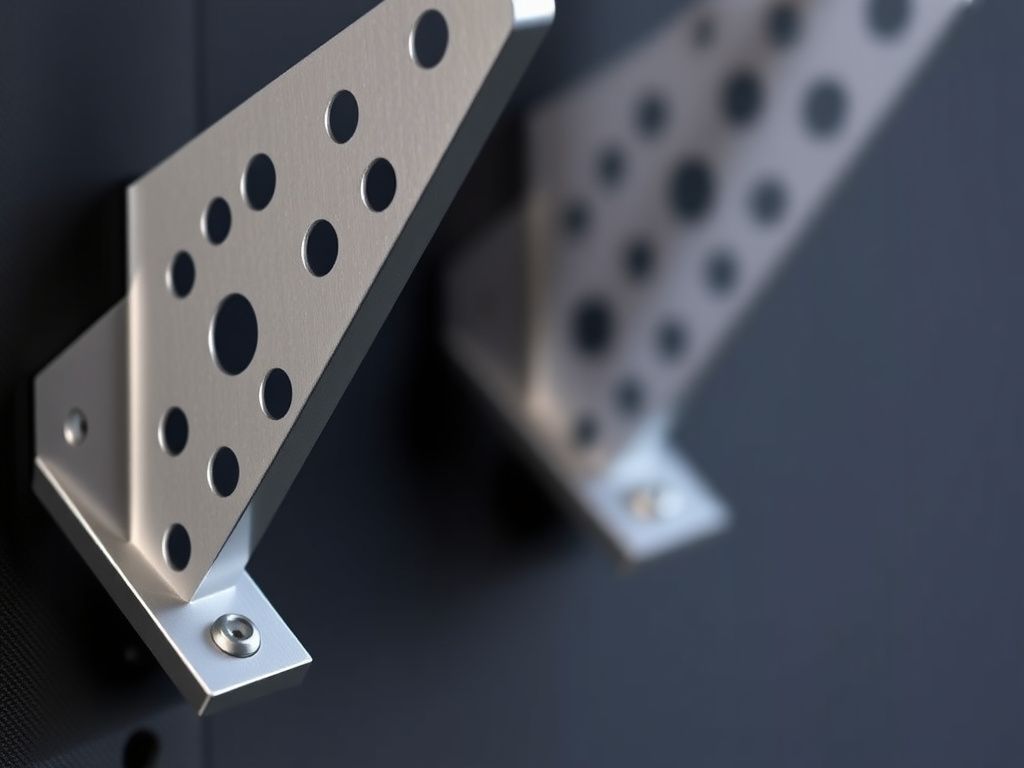
Custom Laser-Cut Metal Brackets: The Backbone of Modern Engineering
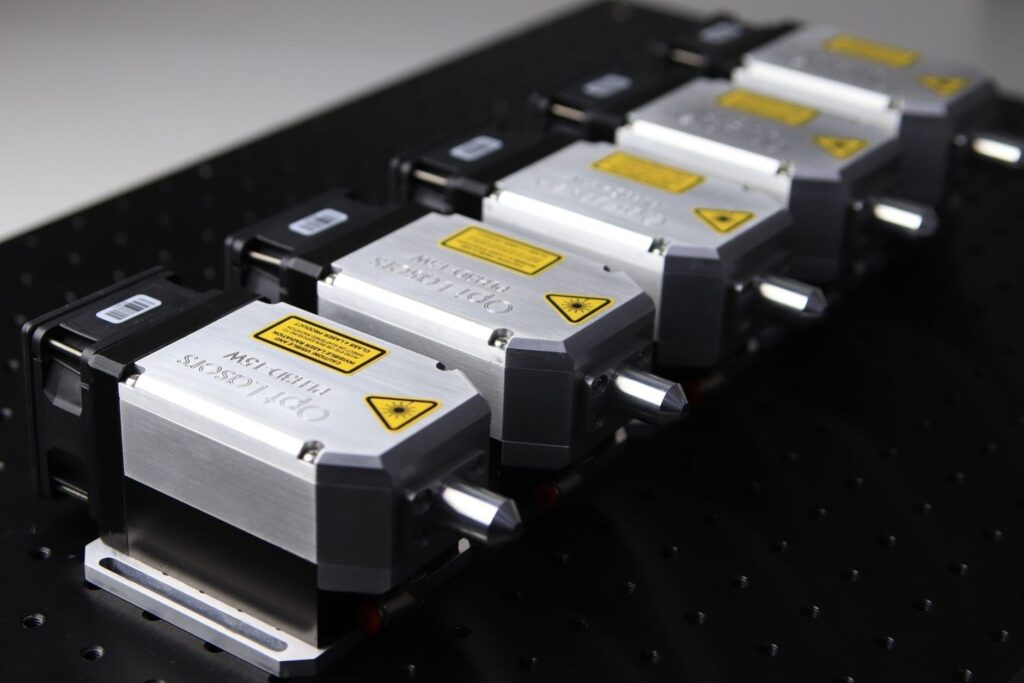
Custom Laser-Cut Metal Brackets are essential components in countless engineering applications, providing structural support, alignment, and fastening solutions. Unlike standard off-the-shelf brackets, custom brackets can be tailored to exact specifications, ensuring perfect fit and optimal performance. With laser cutting technology, engineers can achieve intricate geometries, tight tolerances, and repeatable precision that traditional methods cannot match. This article explores the design, materials, and benefits of custom laser-cut metal brackets for engineering projects.
Why Choose Laser Cutting for Custom Brackets?
Laser cutting offers several advantages over conventional fabrication methods like stamping, punching, or waterjet cutting. The process uses a focused laser beam to melt or vaporize material, producing clean edges without mechanical stress. This results in burr-free parts that require minimal post-processing. For engineers, this means faster turnaround times and lower costs, especially for small to medium production runs. As discussed in our article on Metal Laser Cutting: Precision and Speed Benefits, laser cutting excels in both accuracy and efficiency.
Unmatched Precision and Tolerance
Laser cutting can achieve tolerances as tight as ±0.005 inches, depending on material thickness and laser type. This level of precision is critical for brackets that must align with other components in assemblies such as automotive frames, industrial machinery, or electronic enclosures. The non-contact nature of laser cutting eliminates tool wear, ensuring consistent quality across thousands of parts.
Design Flexibility
With laser cutting, engineers can incorporate complex features like slots, holes, tabs, and intricate contours into a single bracket. This reduces the need for secondary operations and simplifies assembly. Additionally, laser cutting supports rapid prototyping, allowing designers to iterate quickly. Our guide on Laser Cutting Small Batch Production: Key Benefits highlights how this flexibility accelerates product development.
Material Selection for Custom Brackets
The choice of material directly impacts bracket performance, durability, and cost. Common metals include steel, stainless steel, aluminum, and copper alloys. Each offers distinct properties for specific applications.
Steel and Stainless Steel
Steel provides high strength and rigidity, making it ideal for heavy-duty brackets in construction or automotive applications. Stainless steel adds corrosion resistance, essential for outdoor or marine environments. Laser cutting of stainless steel is highly effective, as detailed in Laser Cutting Stainless Steel: Proven Benefits for [Metal]. The laser can cut through thick sections with minimal heat-affected zone, preserving material properties.
Aluminum and Lightweight Alloys
Aluminum brackets are favored in aerospace, electronics, and transportation where weight reduction is critical. Laser cutting aluminum requires careful parameter control due to its reflectivity, but modern fiber lasers handle it efficiently. For insights on reflective metals, refer to Laser Cutting Reflective Metals: Challenges & Solutions.
Design Considerations for Laser-Cut Brackets
To maximize the benefits of laser cutting, engineers should follow design guidelines that account for kerf width, minimum feature size, and material thickness. Proper design ensures manufacturability and reduces waste.
Kerf Width and Tolerances
Kerf—the width of material removed by the laser—typically ranges from 0.006 to 0.020 inches. Designers must compensate for kerf in slot and hole dimensions. Our comprehensive Kerf Width Laser Cutting: A Complete Guide explains how to adjust CAD files for accurate results.
Minimum Feature Size
For steel, minimum hole diameter should be at least the material thickness; for aluminum, slightly larger. Likewise, narrow slots should have widths greater than the material thickness to prevent burning or distortion. Following these rules ensures clean cuts and structural integrity.
Applications Across Engineering Sectors
Custom laser-cut metal brackets are ubiquitous in engineering. In automotive, they secure wiring, hoses, and sensors. In aerospace, they mount avionics and cabin fixtures. Industrial equipment uses brackets for conveyor systems and robotic arms. Even furniture manufacturing benefits, as seen in Laser-Cut Metal Furniture Parts: Why Designers Choose [Furniture Manufacturing]. The versatility of laser cutting makes it the go-to method for producing brackets that meet demanding specifications.
Automotive Industry
Modern vehicles contain dozens of custom brackets for engine components, body panels, and interior trim. Laser cutting enables lightweight designs that improve fuel efficiency without sacrificing strength. For more on automotive applications, explore Laser-Cut Metal Parts in Automotive: Precision & [Metal].
Electronics and Enclosures
Brackets for electronics must be precise to align circuit boards, connectors, and heat sinks. Laser cutting produces clean edges that prevent short circuits and ensure proper fit. The ability to cut thin metals without burrs is especially valuable in this sector.
Post-Processing and Finishing
While laser-cut brackets often require minimal post-processing, some applications benefit from deburring, passivation, or powder coating. Our guide Post-Processing Laser-Cut Metal: Essential Tips for [Metal] covers techniques to enhance appearance and corrosion resistance. For most engineering uses, as-cut brackets are ready for installation.
Ready to order custom laser-cut metal brackets for your next project? Contact our team to discuss your specifications and receive a free quote. With our advanced laser cutting capabilities, we deliver precision brackets that meet your exact requirements.