 Metal Laser Cutting: Precision and Speed Benefits
Why Metal Laser Cutting is Essential for Modern Manufacturing
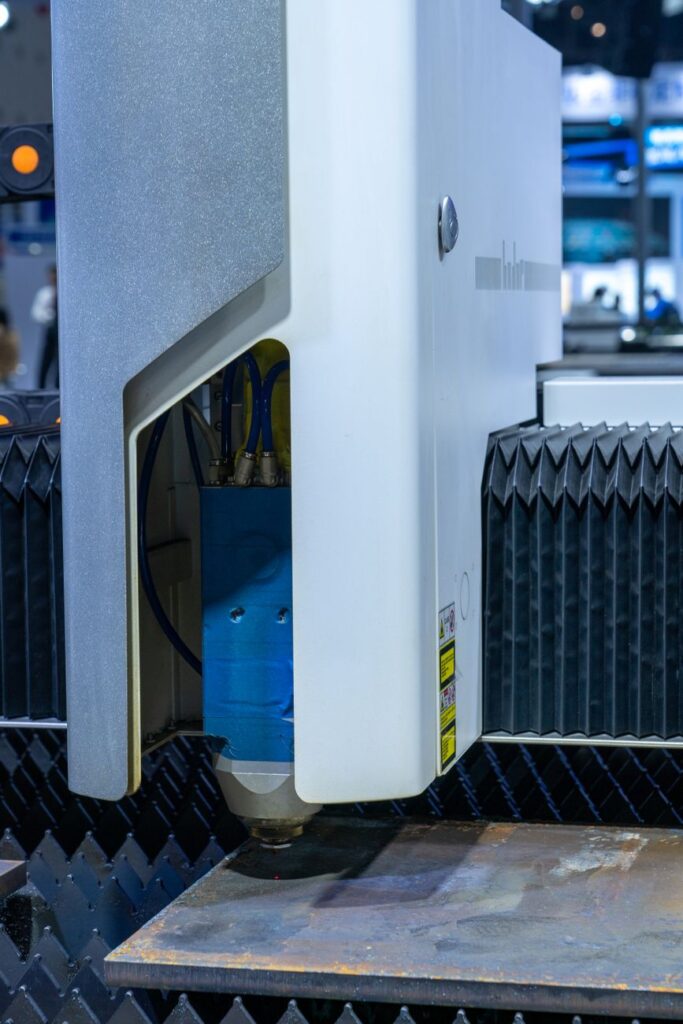
metal laser cutting has revolutionized the fabrication industry by offering unmatched precision and speed. Unlike traditional methods, laser cutting uses a focused beam of light to melt or vaporize material, creating clean edges and intricate shapes without mechanical contact. This technology is essential for industries ranging from automotive to signage, where accuracy and efficiency are paramount.
The ability to cut complex geometries in thin or thick metal sheets makes laser cutting a versatile solution. Whether you’re producing prototype parts or mass-producing components, laser cutting delivers consistent results with minimal waste. As manufacturers seek to optimize production lines, adopting metal laser cutting has become a strategic advantage.
Key Benefits of Metal Laser Cutting
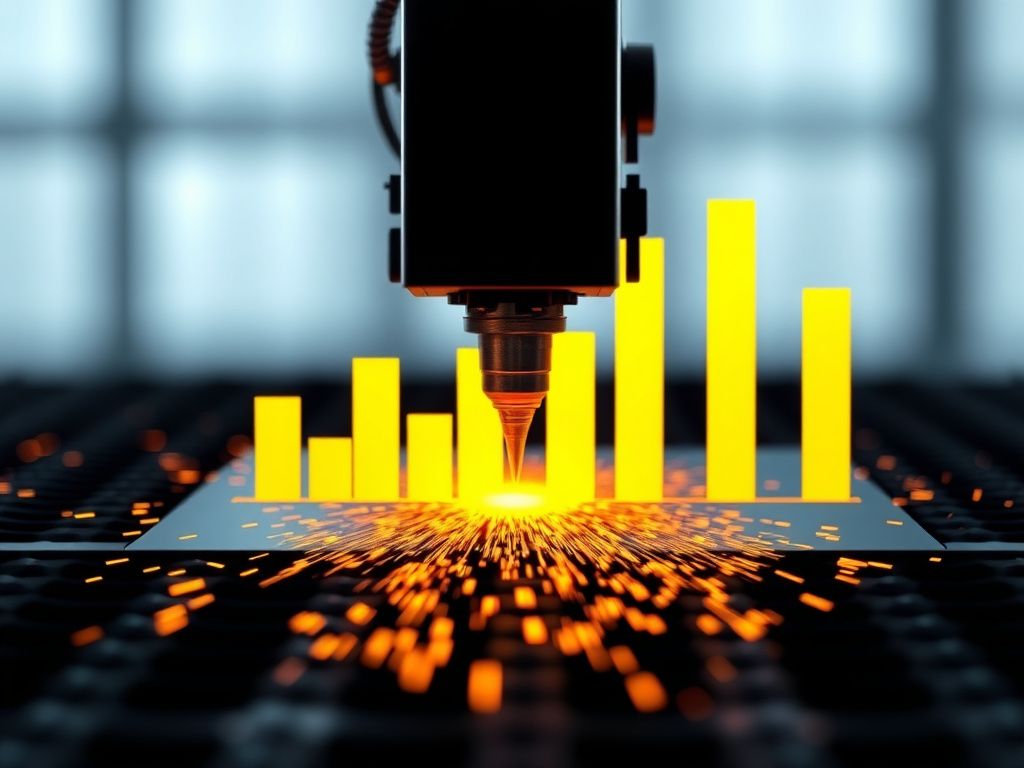
Exceptional Precision and Accuracy
Laser cutting achieves tolerances as tight as ±0.1 mm, ensuring parts fit perfectly in assemblies. This level of precision is critical for industries like electronics and medical devices, where even minor deviations can cause failures. The non-contact process eliminates tool wear, maintaining accuracy over thousands of cuts.
For more insights on factors that affect precision, check out our guide on Laser Cutting Precision: 7 Key Factors That Affect.
High Cutting Speed and Efficiency
Modern fiber lasers cut metal up to five times faster than traditional CO2 lasers or mechanical saws. This speed reduces lead times, allowing manufacturers to respond quickly to market demands. For example, cutting 1 mm stainless steel can reach speeds of 20 meters per minute, significantly boosting throughput.
Speed also translates to cost savings. Faster cutting means lower energy consumption per part and reduced labor costs. When comparing laser cutting vs traditional mechanical cutting, the efficiency gains are clear.
Applications Across Industries
Automotive Industry
In automotive manufacturing, laser-cut metal parts are essential for chassis components, brackets, and engine parts. The precision ensures safety and performance, while speed supports high-volume production. Explore our article on Laser-Cut Metal Parts in Automotive: Precision & Performance for detailed applications.
Furniture Manufacturing
Metal laser cutting enables designers to create intricate furniture frames and decorative elements. The technology allows for customization without tooling changes, making it ideal for both custom and mass-produced furniture. Learn how laser-cut metal furniture parts are transforming the industry.
Signage and Advertising
Custom metal signs benefit from laser cutting’s ability to produce sharp lettering and complex logos. Outdoor signs require durable materials, and laser cutting ensures clean edges that resist weathering. For more, see Custom Laser-Cut Signage: Boost Brand Visibility.
Factors Affecting Cut Quality in Metal Laser Cutting
Several variables influence the quality of laser-cut metal, including laser power, cutting speed, gas assistance, and material thickness. Proper parameter selection prevents issues like dross formation or rough edges. Our comprehensive guide on gas assistance laser cutting explains how to improve cut quality.
Additionally, understanding kerf width is crucial for design accuracy. Learn more in our article on Kerf Width Laser Cutting: A Complete Guide.
Choosing the Right Metal Laser Cutting Service
When selecting a service provider, consider their equipment capabilities, material expertise, and quality control processes. A reliable partner should offer support from design to delivery. For small batch production, laser cutting is cost-effective due to minimal setup requirements. Read about laser cutting small batch production for more details.
Whether you need prototypes or large runs, metal laser cutting provides the precision and speed essential for today’s competitive landscape. Contact us to discuss your next project and experience the benefits firsthand.