 Durability of Laser-Cut Metal Frames in Furniture:
Durability of Laser-Cut Metal Frames in Furniture: A Comprehensive Guide
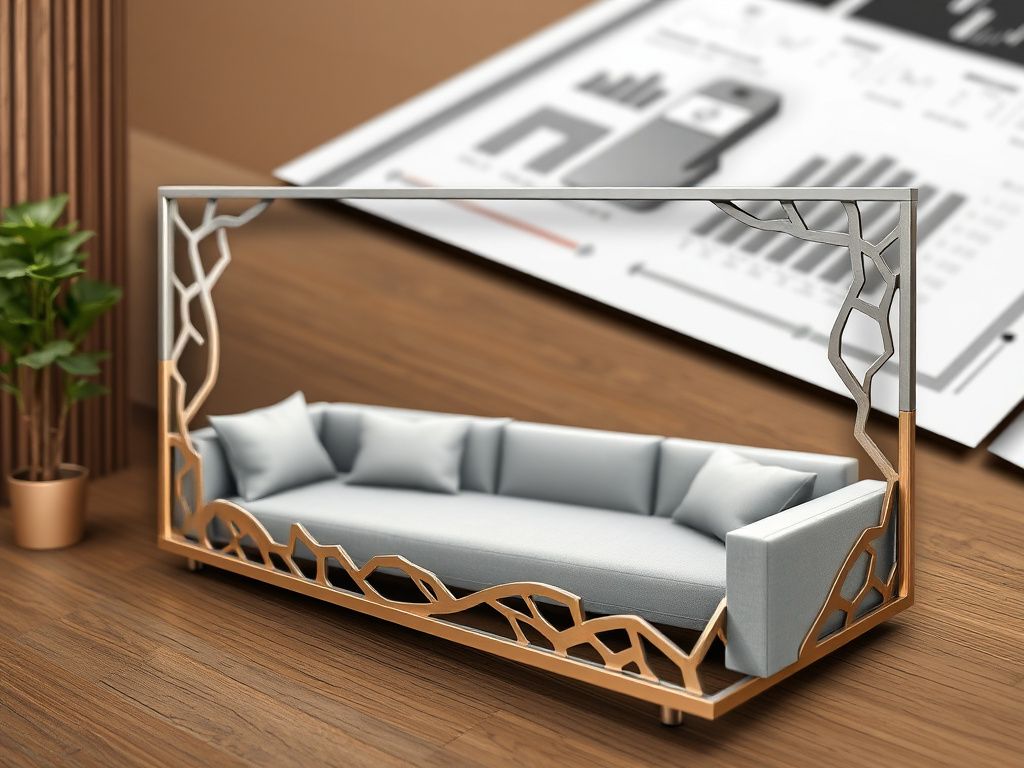
Durability of Laser-Cut Metal Frames in furniture is a critical consideration for manufacturers and consumers alike. Laser Cutting technology has revolutionized the way metal frames are produced, offering unmatched precision and consistency. This article explores the factors that contribute to the durability of laser-cut metal frames, from material selection to design optimization.
Why Laser-Cut Metal Frames Are Built to Last
The durability of laser-cut metal frames stems from the inherent advantages of laser cutting. Unlike traditional methods, laser cutting produces clean, burr-free edges that reduce stress concentration points. This precision minimizes micro-cracks and weak spots, resulting in a frame that can withstand repeated use and heavy loads. Additionally, the heat-affected zone in laser cutting is narrow, preserving the material’s original mechanical properties.
Material Choices for Maximum Strength
Selecting the right metal is crucial for frame durability. Common options include stainless steel, aluminum, and mild steel. Stainless steel offers excellent corrosion resistance and strength, ideal for outdoor or high-humidity environments. Aluminum is lightweight yet strong, perfect for modern furniture designs. Mild steel, when properly coated, provides a cost-effective solution with good durability. Each material responds differently to laser cutting, and understanding these nuances ensures optimal frame performance.
For more on material efficiency, see our guide on Laser Cutting Material Usage: Optimize Efficiency & Reduce Waste.
Precision Cutting Enhances Structural Integrity
The durability of laser-cut metal frames is directly linked to the precision of the cutting process. Laser cutting achieves tolerances as tight as ±0.1 mm, ensuring that joints and connections fit perfectly. This eliminates the need for excessive welding or fasteners, which can introduce weak points. Moreover, the ability to cut complex geometries allows for load distribution optimization, further enhancing frame strength.
How Kerf Width Affects Fit and Strength
Kerf width—the material removed by the laser beam—must be accounted for in frame design. A consistent kerf ensures that all parts align correctly, preventing gaps that could compromise stability. Advanced laser systems maintain uniform kerf across thick and thin materials, contributing to the overall durability. To dive deeper, read Kerf Width Laser Cutting: A Complete Guide.
Design Optimization for Long-Lasting Frames
Smart design choices amplify the durability of laser-cut metal frames. Incorporating fillets, rounded corners, and stress-relief patterns reduces the risk of fatigue failure. Laser cutting enables these features without additional tooling costs. Additionally, designers can use lattice or honeycomb structures to reduce weight while maintaining strength—a technique popular in modern furniture.
Avoid common pitfalls by reviewing Laser Design Mistakes: Avoid These Common Errors.
Finishing Processes That Extend Lifespan
Post-cutting treatments such as powder coating, anodizing, or galvanizing protect metal frames from environmental damage. These finishes bond tightly to laser-cut surfaces, providing a durable barrier against rust and wear. The smooth edges from laser cutting ensure even coating application, eliminating vulnerable spots.
Comparing Laser Cutting to Traditional Methods
While this article focuses on laser cutting, it’s worth noting that laser-cut frames often outperform those made with mechanical cutting. The absence of mechanical stress during cutting preserves the metal’s grain structure, leading to superior fatigue resistance. For a detailed comparison, explore Laser Cutting vs Traditional Mechanical Cutting: Key Differences.
Real-World Applications and Performance
In commercial furniture, laser-cut metal frames support heavy loads in seating, tables, and shelving. Their durability is tested through rigorous cycles of weight, vibration, and temperature changes. Manufacturers report fewer returns and longer product lifespans when using laser-cut frames. This reliability makes them a favorite in high-traffic areas like offices, hotels, and public spaces.
Looking ahead, Future Trends Laser Cutting: 7 Transformative Innovations promise even greater durability through advanced alloys and real-time process monitoring.
Ready to enhance your furniture line with durable laser-cut metal frames? Contact our team today for a consultation and discover how precision cutting can elevate your products.