 Fiber Laser Cutting Thick Metals: Proven Techniques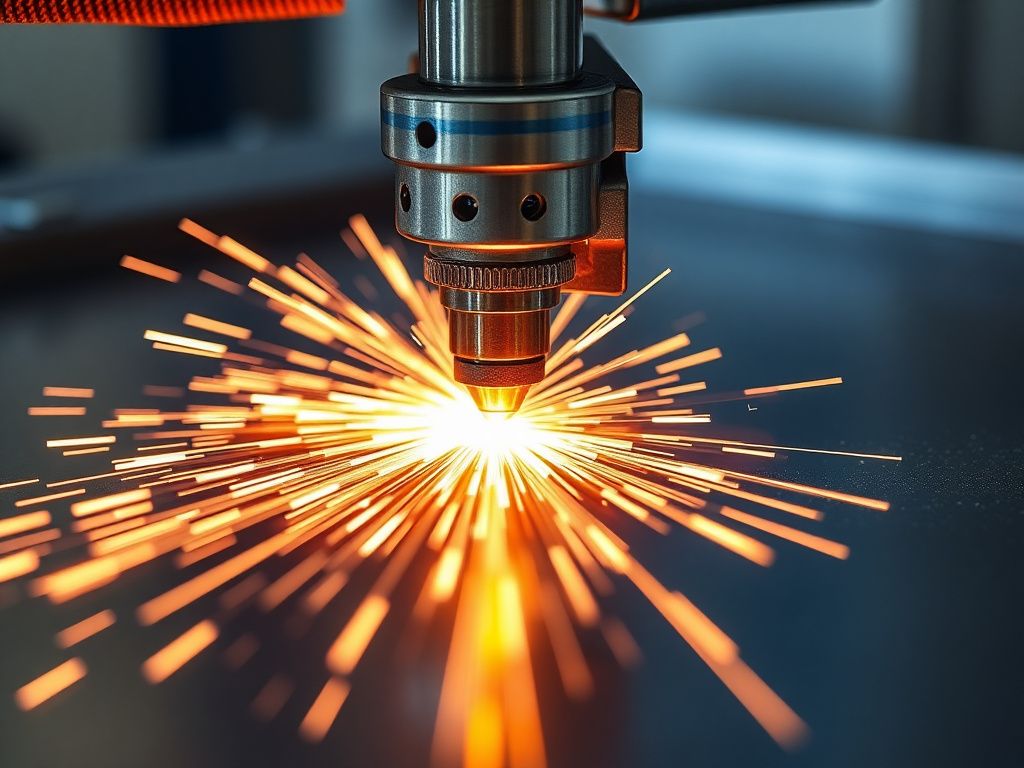
Understanding Fiber Laser Cutting for Thick Metals
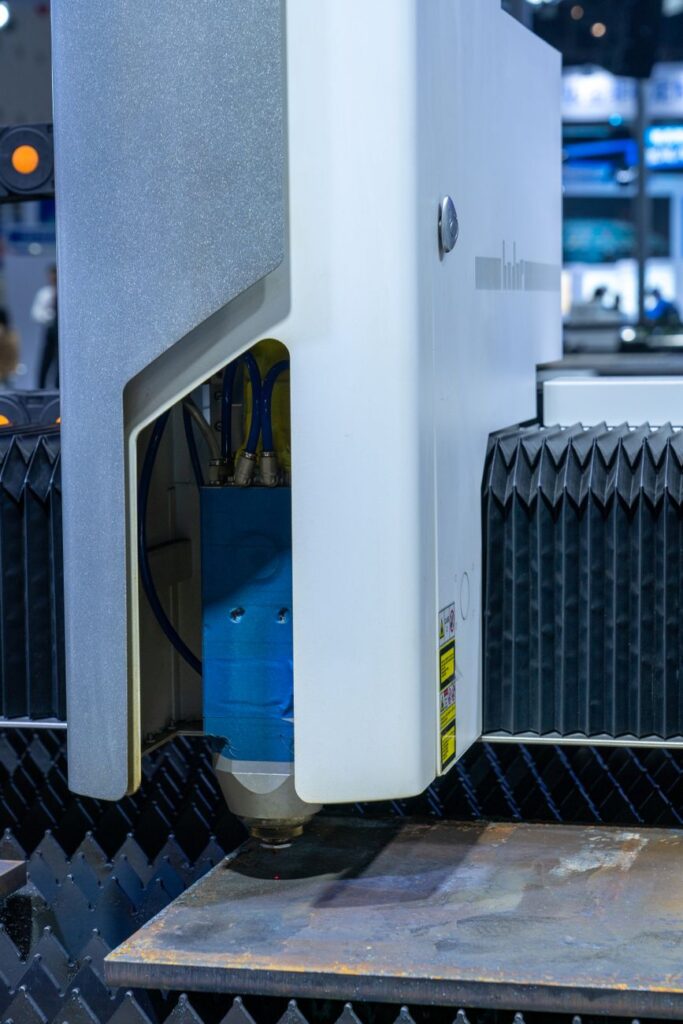
fiber laser cutting thick metals is a transformative technology in modern manufacturing, offering unmatched precision and speed for materials like steel, aluminum, and stainless steel. This method leverages high-power fiber lasers to cut through substantial thicknesses with exceptional edge quality, making it a go-to solution for industries ranging from automotive to construction. Unlike traditional cutting methods, fiber lasers provide superior control, reduced heat-affected zones, and the ability to handle reflective metals effectively.
In today’s competitive landscape, mastering fiber laser cutting for thick metals is essential for fabricators seeking to optimize production efficiency and product quality. This comprehensive guide delves into the key factors that influence cut quality, including laser power, assist gas selection, and material properties. By understanding these elements, you can achieve clean, precise cuts even on challenging thick sections.
Whether you are new to laser cutting or looking to refine your processes, this article provides authoritative insights to help you succeed. We’ll explore advanced techniques, common challenges, and best practices for maximizing the performance of your fiber laser system.
Key Parameters for Fiber Laser Cutting Thick Metals
Successful fiber laser cutting thick metals depends on optimizing several critical parameters. Laser power is the most significant factor—higher wattage (e.g., 6 kW to 12 kW or more) is required to penetrate thicker materials. For instance, cutting 1-inch mild steel typically demands at least 6 kW, while thicker sections may require 10 kW or above.
Assist Gas Selection
Assist gas plays a dual role: it removes molten material and shields the cut zone from oxidation. For carbon steel, oxygen is commonly used to enhance cutting speed and edge quality, while nitrogen is preferred for stainless steel and aluminum to produce a dross-free, bright edge. The choice of gas pressure and flow rate must be carefully tuned to the material thickness and laser power.
Focus Position and Nozzle Design
The focal point position relative to the material surface dramatically affects cut quality. For thick metals, a slightly negative focus (below the surface) helps maintain a stable keyhole and improves energy coupling. Nozzle diameter and standoff distance also influence gas dynamics and cut kerf width. Laser Cutting Precision: 7 Key Factors That Affect provides deeper insights into these adjustments.
Advanced Techniques for Thick Metal Cutting
To push the boundaries of fiber laser cutting thick metals, manufacturers employ advanced strategies such as adaptive optics and dynamic beam shaping. These technologies adjust the laser beam’s intensity distribution in real time, optimizing the cut for varying thicknesses and material types.
Beam Shaping and Modulation
Beam shaping techniques, like using a top-hat or donut-shaped profile, can improve cut edge quality and reduce striations on thick sections. Pulse modulation—alternating between continuous wave and pulsed modes—helps manage heat input and minimize thermal distortion. Gas Assistance <a href="https://laser.net.tr/best-metals-laser-cutting/" title="Best Metals Laser Cutting: Top 5 Picks for Precision”>Laser Cutting: Improve Cut Quality explains how gas flow interacts with beam characteristics.
Multi-Pass Cutting
For extremely thick metals (e.g., >2 inches), multi-pass cutting is sometimes used. The laser makes several passes, each removing a layer of material, to achieve full penetration. This method requires precise control of focal position and gas pressure across passes to maintain consistency.
Material Considerations in Fiber Laser Cutting
Different metals respond uniquely to fiber laser cutting thick metals. Mild steel is generally the easiest due to its high absorption of infrared wavelengths. Stainless steel, especially austenitic grades, requires careful management of heat to avoid warping and carbide precipitation. Aluminum, with its high reflectivity and thermal conductivity, demands higher peak power and specialized gas setups.
Reflective Metals
Fiber lasers are inherently more tolerant of reflective materials than CO2 lasers, but challenges remain. For copper and brass, using a shorter wavelength or adding a pre-pulse can mitigate back-reflection damage. Laser Cutting Reflective Metals: Challenges & Solutions offers practical solutions for these materials.
Surface Condition and Coatings
Rust, mill scale, or coatings like zinc can affect cut quality. Pre-cleaning or selecting appropriate gas mixtures helps achieve consistent results. For coated steels, a two-step process with different gas types may be beneficial.
Optimizing Cutting Speed and Quality
Balancing speed and quality is crucial for fiber laser cutting thick metals. Excessive speed leads to incomplete cuts, while too slow causes excessive heat buildup and poor edge finish. Cutting speed is typically determined by laser power, material thickness, and desired edge roughness.
Kerf Width and Taper
Kerf width—the width of the cut—tends to increase with thickness due to beam divergence and gas dynamics. Taper, where the cut is wider at the top than the bottom, can be minimized by adjusting focus and gas pressure. Kerf Width Laser Cutting: A Complete Guide details how to control these factors.
Edge Quality Standards
Industrial applications often require specific edge roughness (Ra) values. For thick metals, achieving Ra below 3.2 µm is possible with optimized parameters. Post-processing may be needed for critical surfaces. Post-Processing Laser-Cut Metal: Essential Tips covers finishing techniques.
Common Challenges and Solutions
Fiber laser cutting thick metals presents unique challenges, including heat-affected zone (HAZ) enlargement, dross formation, and striation patterns. Managing these requires a holistic approach to process parameters and machine maintenance.
Heat Management
Thick sections absorb more energy, leading to larger HAZ and potential distortion. Using nitrogen as an assist gas can reduce oxidation and HAZ width. Additionally, employing a water-cooled cutting table and optimizing the cutting path helps dissipate heat.
Dross Removal
Dross, or re-solidified metal on the bottom edge, is common in thick cuts. Increasing gas pressure, adjusting focus, or slowing speed often resolves this. For aluminum, a nitrogen-oxygen mix can improve dross removal.
By understanding these challenges and applying proven solutions, you can achieve reliable, high-quality cuts in thick metals. Fiber laser cutting continues to evolve, with innovations in beam delivery and control systems expanding its capabilities.
Ready to enhance your metal fabrication with fiber laser cutting thick metals? Contact our experts for a consultation or request a quote on your next project. We offer precision cutting services tailored to your specifications.