 Future Trends Laser Cutting: 7 Transformative
Introduction to Future Trends Laser Cutting
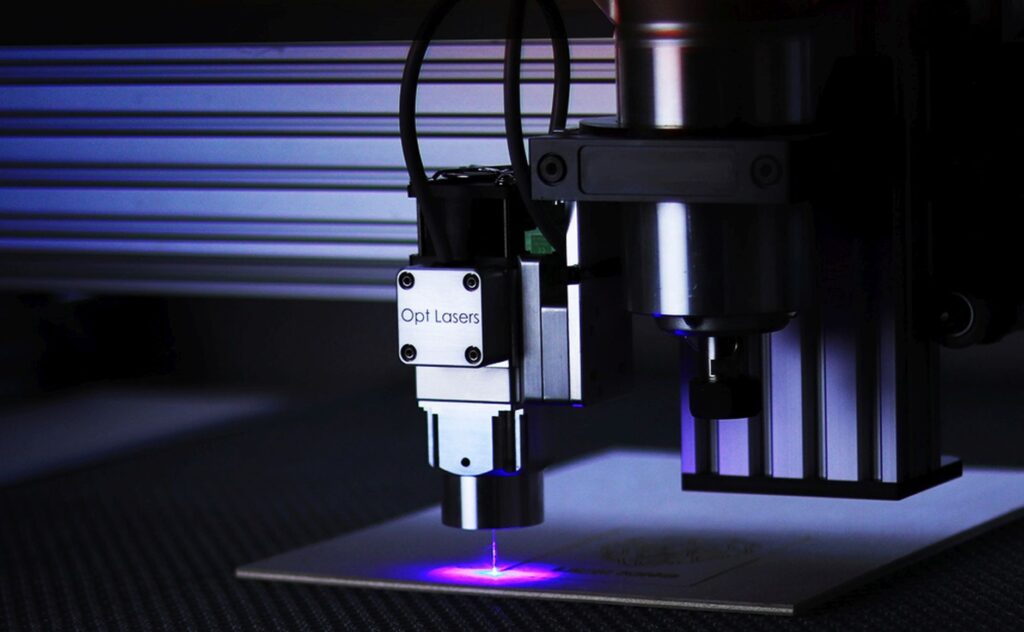
future trends laser cutting technology is revolutionizing manufacturing with unprecedented precision, speed, and versatility. As industries demand higher efficiency and lower costs, laser cutting systems are evolving rapidly. This article explores the most significant advancements shaping the next generation of laser cutting, from artificial intelligence integration to sustainable practices. Understanding these trends is essential for businesses aiming to stay competitive in precision manufacturing.
The laser cutting industry has witnessed remarkable progress in recent years. Top-quality laser cutting service providers are now adopting cutting-edge technologies that were once considered experimental. These innovations are not only enhancing cut quality but also expanding the range of materials that can be processed. For instance, optimizing laser cutting material usage has become a key focus, driven by both economic and environmental considerations.
In this comprehensive analysis, we will examine seven transformative trends that are redefining the laser cutting landscape. Each trend represents a leap forward in capability, offering tangible benefits for manufacturers, designers, and end-users. By embracing these developments, companies can unlock new levels of productivity and creativity.
The Rise of AI and Machine Learning in Laser Cutting
Intelligent Process Optimization
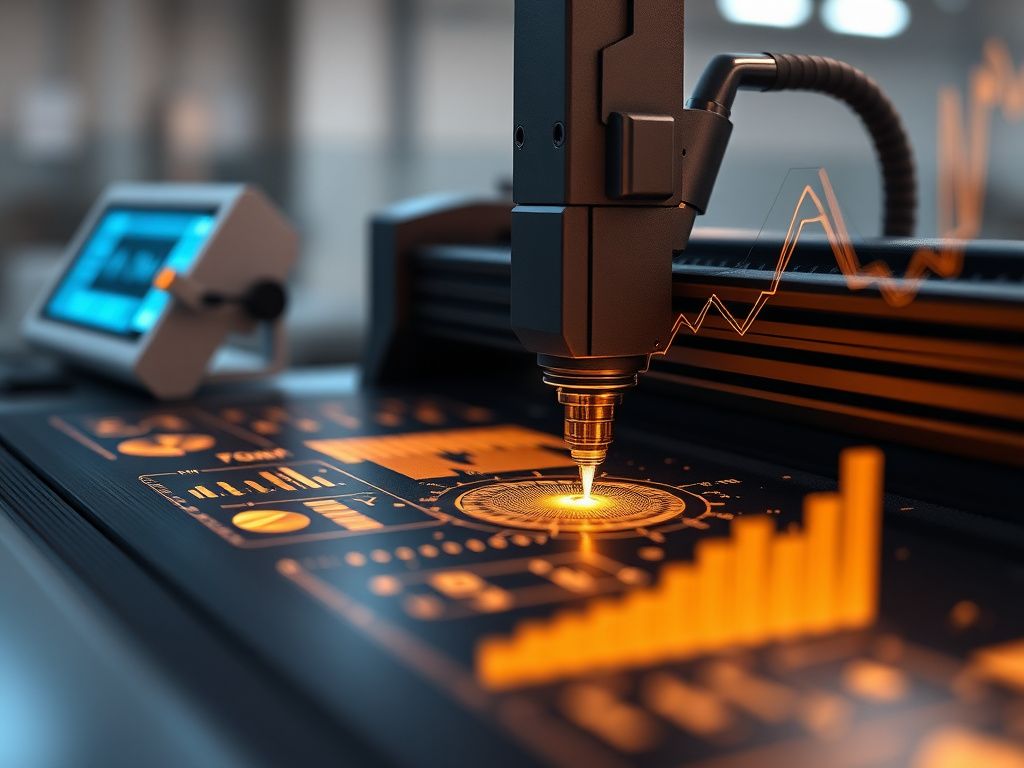
Artificial intelligence (AI) and machine learning are among the most impactful future trends laser cutting technology. Modern laser systems now incorporate AI algorithms that continuously monitor and adjust cutting parameters in real time. This leads to consistent cut quality, reduced waste, and minimal operator intervention. For example, AI can detect variations in material thickness or composition and automatically optimize power, speed, and focal position. This capability is particularly valuable for complex geometries and high-volume production runs.
Predictive Maintenance and Quality Control
Machine learning models analyze historical data to predict when components are likely to fail, enabling proactive maintenance. This reduces downtime and extends equipment lifespan. Additionally, AI-driven vision systems can inspect cut edges for defects with greater accuracy than human operators. By integrating these technologies, manufacturers can achieve near-zero defect rates while maximizing throughput.
Ultrafast Lasers: Precision at the Atomic Scale
Picosecond and Femtosecond Lasers
Ultrafast lasers, with pulse durations in the picosecond and femtosecond range, represent a paradigm shift in precision machining. These lasers deliver energy so quickly that material is removed without heat transfer, eliminating thermal damage. This makes them ideal for cutting heat-sensitive materials like polymers, composites, and thin metals. Future trends laser cutting will see wider adoption of ultrafast lasers in medical device manufacturing, electronics, and aerospace applications.
Cold Ablation and Micromachining
Unlike conventional continuous-wave or nanosecond lasers, ultrafast lasers perform cold ablation—material removal through vaporization without melting. This results in burr-free edges and minimal heat-affected zones. As a result, industries requiring micron-level tolerances, such as semiconductor fabrication and microfluidics, are increasingly turning to ultrafast laser systems. The ability to cut with sub-micron accuracy opens new possibilities in miniaturization and high-density packaging.
Hybrid Laser-Arc Welding and Cutting Systems
Combining laser technology with other processes, such as arc welding or waterjet cutting, is gaining traction. Hybrid systems leverage the strengths of each method to overcome individual limitations. For instance, laser-arc hybrid welding offers deeper penetration and higher speeds than either process alone. In cutting, hybrid approaches can handle thicker materials or produce cleaner edges. This trend is particularly relevant for heavy industries like shipbuilding and automotive manufacturing, where both speed and quality are paramount. Future trends laser cutting will likely include more integrated multi-process platforms that offer flexibility and efficiency.
Automation and Robotics Integration
Collaborative Robots (Cobots)
Automation is a cornerstone of modern manufacturing, and laser cutting is no exception. Collaborative robots, or cobots, are now being deployed alongside laser cutting systems to handle material loading, unloading, and part sorting. These robots are designed to work safely alongside humans, enhancing productivity without extensive safety guarding. Cobots can be programmed easily, making them accessible for small and medium-sized enterprises. This trend aligns with the growing demand for laser cutting small batch production benefits, where flexibility and quick changeovers are critical.
End-to-End Digital Workflows
From design to finished part, digital integration streamlines the entire production cycle. Advanced laser cutting systems now connect directly with CAD/CAM software, enabling seamless data transfer and automated nesting. This reduces setup time and material waste. Furthermore, cloud-based platforms allow remote monitoring and control, giving manufacturers real-time visibility into their operations. As Industry 4.0 principles become standard, the integration of laser cutting into smart factories will accelerate.
Sustainability and Green Manufacturing
Energy Efficiency and Reduced Waste
Environmental concerns are driving innovation in laser cutting technology. Modern fiber lasers are inherently more energy-efficient than CO2 lasers, converting a higher percentage of electrical input into usable light. Additionally, Gas Assistance Laser cutting techniques can be optimized to minimize gas consumption. Advanced nesting algorithms reduce material scrap, and recycling programs for metal offcuts are becoming common. These practices not only lower the carbon footprint but also improve cost-effectiveness.
Eco-Friendly Materials and Processes
The industry is also exploring biodegradable and recyclable materials for laser cutting. For example, laser-cut cardboard and paper packaging are gaining popularity as sustainable alternatives to plastic. Moreover, laser cutting itself is a dry process—no coolants or lubricants are needed—eliminating chemical waste. As regulations tighten and consumer preferences shift, green manufacturing will become a key differentiator. Companies that adopt sustainable laser cutting practices will be better positioned for long-term success.
Advanced Materials and Multi-Material Processing
Future trends laser cutting include the ability to process a wider range of materials with high precision. Beyond metals and plastics, lasers are now used to cut ceramics, glass, composites, and even biological tissues. Multi-material processing capabilities allow manufacturers to switch between materials without retooling, increasing flexibility. For example, a single laser system can cut stainless steel, acrylic, and wood with minimal adjustments. This versatility is particularly valuable for custom laser-cut signage and prototyping applications. Additionally, advances in beam delivery and wavelength selection enable cutting of reflective materials like copper and aluminum, which were previously challenging.
Real-Time Monitoring and Adaptive Control
Closed-loop control systems equipped with sensors are becoming standard in high-end laser cutters. These systems monitor parameters such as beam intensity, gas pressure, and cut depth in real time. If deviations are detected, the system automatically adjusts to maintain quality. This adaptive control is essential for achieving consistent results across large production runs. Moreover, data collected during cutting can be analyzed to further refine processes. As machine learning algorithms improve, these systems will become even more intelligent, predicting and preventing defects before they occur.
The convergence of these trends is creating a new era of laser cutting that is smarter, faster, and more sustainable. Manufacturers who invest in these technologies will gain a competitive edge through improved quality, lower costs, and greater agility. To explore how these innovations can benefit your operations, consider partnering with a leading laser cutting service that stays at the forefront of technology. Contact us today to discuss your project requirements and discover how future trends laser cutting can transform your production capabilities.