 Gas Assistance Laser Cutting: Improve Cut Quality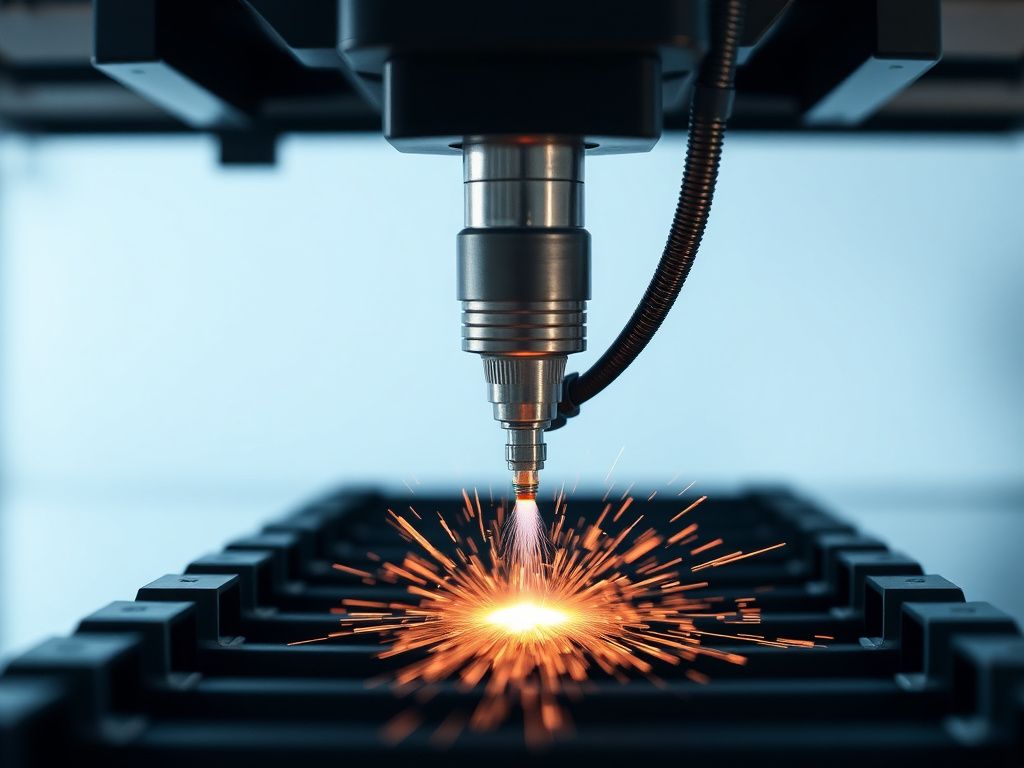
Introduction to Gas Assistance in Laser Cutting
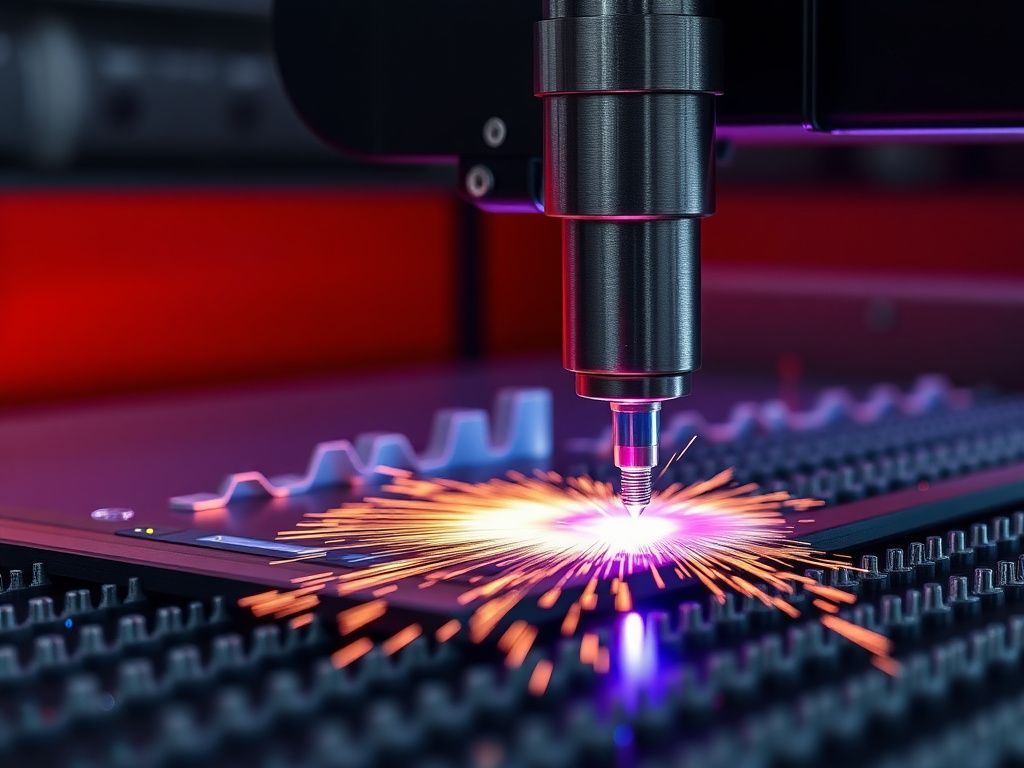
gas assistance laser cutting is a proven technique that dramatically improves the quality of laser cuts. By directing a stream of gas—such as oxygen, nitrogen, or compressed air—into the cutting zone, this method enhances precision, reduces dross, and creates cleaner edges. Whether you’re working with steel, aluminum, or acrylic, understanding how to leverage assist gases can elevate your projects. In this comprehensive guide, we’ll explore the role of gas assistance in achieving flawless cuts and how to optimize your laser cutting process.
The principle is simple: the gas jet blows away molten material, cools the cut area, and in some cases, provides additional energy through exothermic reactions. This results in faster cutting speeds and superior edge quality. For businesses offering top-quality laser cutting service for precise results, mastering gas assistance is essential.
How Gas Assistance Works in Laser Cutting
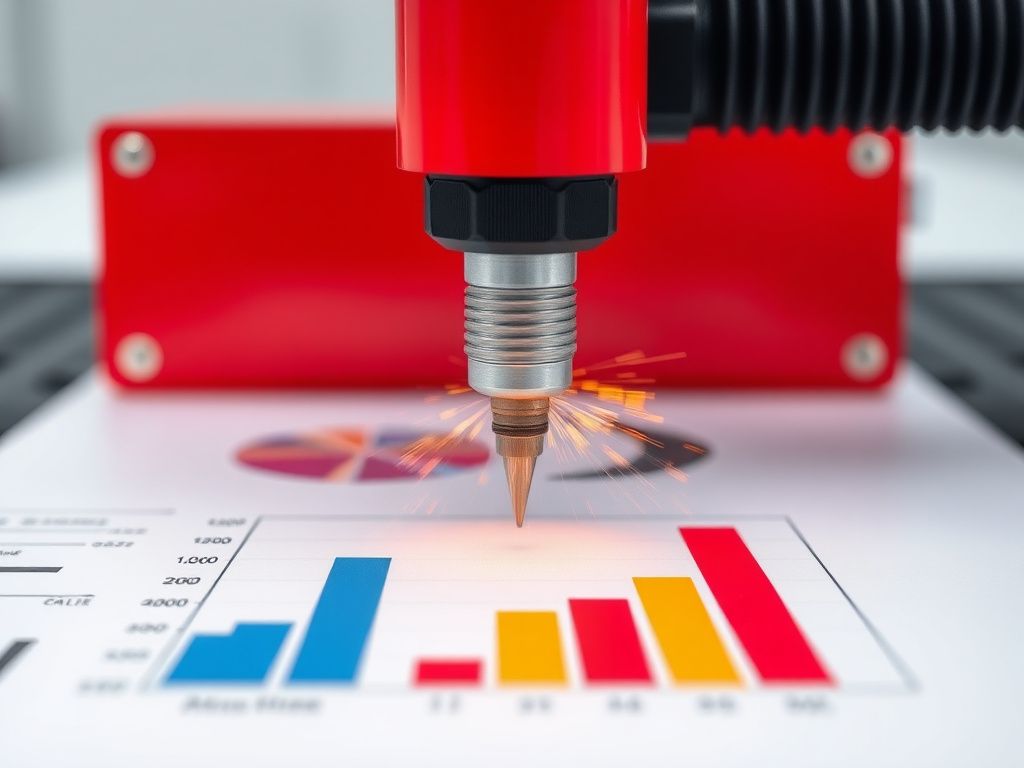
During laser cutting, a focused beam melts or vaporizes the material. Without assist gas, the molten material can re-solidify on the cut edge, causing roughness and burrs. Gas assistance solves this by blowing the molten material away from the kerf. The type of gas used influences the cutting process significantly.
Mechanisms of Assist Gas
The gas jet serves multiple functions: it removes molten material, cools the heat-affected zone (HAZ), and in some cases, reacts chemically with the material. For example, oxygen reacts exothermically with steel, adding extra heat that speeds up cutting. Nitrogen, being inert, prevents oxidation and produces clean edges on stainless steel and aluminum.
Pressure and flow rate are critical parameters. Too low pressure fails to clear the kerf, while too high pressure can cause turbulence and rough edges. Modern laser machines allow precise control of these variables to match material thickness and type.
Types of Assist Gases and Their Applications
Choosing the right assist gas is crucial for achieving desired cut quality. The most common gases are oxygen, nitrogen, and compressed air. Each has distinct properties and applications.
Oxygen for Carbon Steel
Oxygen is commonly used for cutting carbon steel. The exothermic reaction between oxygen and iron generates additional heat, enabling faster cutting speeds and the ability to cut thicker materials. However, the cut edge may have a thin oxide layer, which can be acceptable for many applications. For projects requiring Laser Cutting Material usage optimization, oxygen is often the cost-effective choice for mild steel.
Nitrogen for Clean Edges
Nitrogen is an inert gas that does not react with the material. It is ideal for cutting stainless steel, aluminum, and other non-ferrous metals where a clean, oxide-free edge is required. Nitrogen produces a bright, smooth finish without discoloration, making it perfect for aesthetic applications like signage and decorative panels. This aligns with the needs of custom laser-cut signage to boost brand visibility.
Compressed Air for Versatility
Compressed air is the most economical option, suitable for cutting materials like wood, plastics, and thin metals. It provides adequate assist action at lower cost, though edge quality may not match that of nitrogen or oxygen. For many hobbyists and small workshops, compressed air offers a good balance of performance and expense.
Impact of Gas Assistance on Cut Quality
The quality of a laser cut is measured by factors such as edge roughness, dross formation, kerf width, and heat-affected zone. Gas assistance directly influences all these parameters.
Edge Finish and Dross Reduction
Proper gas flow ensures that molten material is expelled cleanly, resulting in smooth edges. Dross—the re-solidified metal on the bottom edge—is minimized. For example, cutting stainless steel with nitrogen produces a dross-free edge, eliminating secondary finishing operations. This efficiency is particularly valuable in custom trade show displays where laser cutting is used.
Kerf Width and Precision
The gas jet also affects the kerf width. A focused gas stream can help maintain a narrow kerf, improving dimensional accuracy. Conversely, improper gas pressure can widen the kerf, reducing precision. By fine-tuning gas parameters, operators achieve tight tolerances required for intricate designs.
Optimizing Gas Parameters for Different Materials
Each material requires specific gas settings to achieve optimal results. Understanding these nuances is key to successful laser cutting.
Steel Cutting with Oxygen
For mild steel, oxygen pressure typically ranges from 0.5 to 1.5 bar, depending on thickness. Higher pressures increase cutting speed but may cause excessive oxidation. For thicker plates, lower pressures with higher flow rates work better. Operators should test settings to balance speed and edge quality.
Stainless Steel and Aluminum with Nitrogen
Nitrogen pressures for stainless steel are usually higher, between 10 and 20 bar, to effectively clear the molten material. For aluminum, lower pressures around 6-10 bar are sufficient due to its lower melting point. The goal is to achieve a clean, bright edge without burrs.
Plastics and Wood with Compressed Air
When cutting acrylic or wood, compressed air at moderate pressures (2-5 bar) prevents charring and reduces smoke. For acrylic, proper gas flow also helps achieve a polished edge, as discussed in polished edge laser-cut acrylic techniques.
Common Mistakes in Gas Assistance and How to Avoid Them
Even with the right gas, incorrect application can ruin cut quality. Being aware of common pitfalls helps maintain consistency.
Using Wrong Gas Type
Applying oxygen to stainless steel can cause oxidation and poor edge finish. Conversely, using nitrogen on thick carbon steel may be slow and inefficient. Always match gas to material.
Incorrect Pressure and Flow
Too low pressure leads to dross buildup; too high pressure can cause edge roughness or even blow out molten material. Regularly calibrate pressure gauges and flow meters. For detailed guidance, refer to laser design mistakes to avoid.
Neglecting Nozzle Condition
A damaged or dirty nozzle disrupts gas flow, leading to inconsistent cuts. Inspect nozzles frequently and replace them when worn. Proper nozzle alignment is also critical.
Future Trends in Gas Assistance Technology
The laser cutting industry continues to innovate, with new developments in gas delivery systems. Advanced nozzles with improved aerodynamics reduce gas consumption while maintaining cut quality. Some systems now incorporate real-time monitoring of gas pressure and flow to automatically adjust parameters. Additionally, hybrid approaches that combine different gases for specific materials are emerging. Staying updated with these trends can give businesses a competitive edge.
For those involved in vector files laser cutting preparation, understanding gas assistance is vital for translating designs into flawless physical parts.
Ready to achieve superior cut quality with optimized gas assistance? Contact our experts today to discuss your project requirements and discover how we can deliver precise, clean cuts every time.