 Laser Cutting Material Usage: Optimize Efficiency &
How Laser Cutting Optimizes Material Usage: A Comprehensive Guide
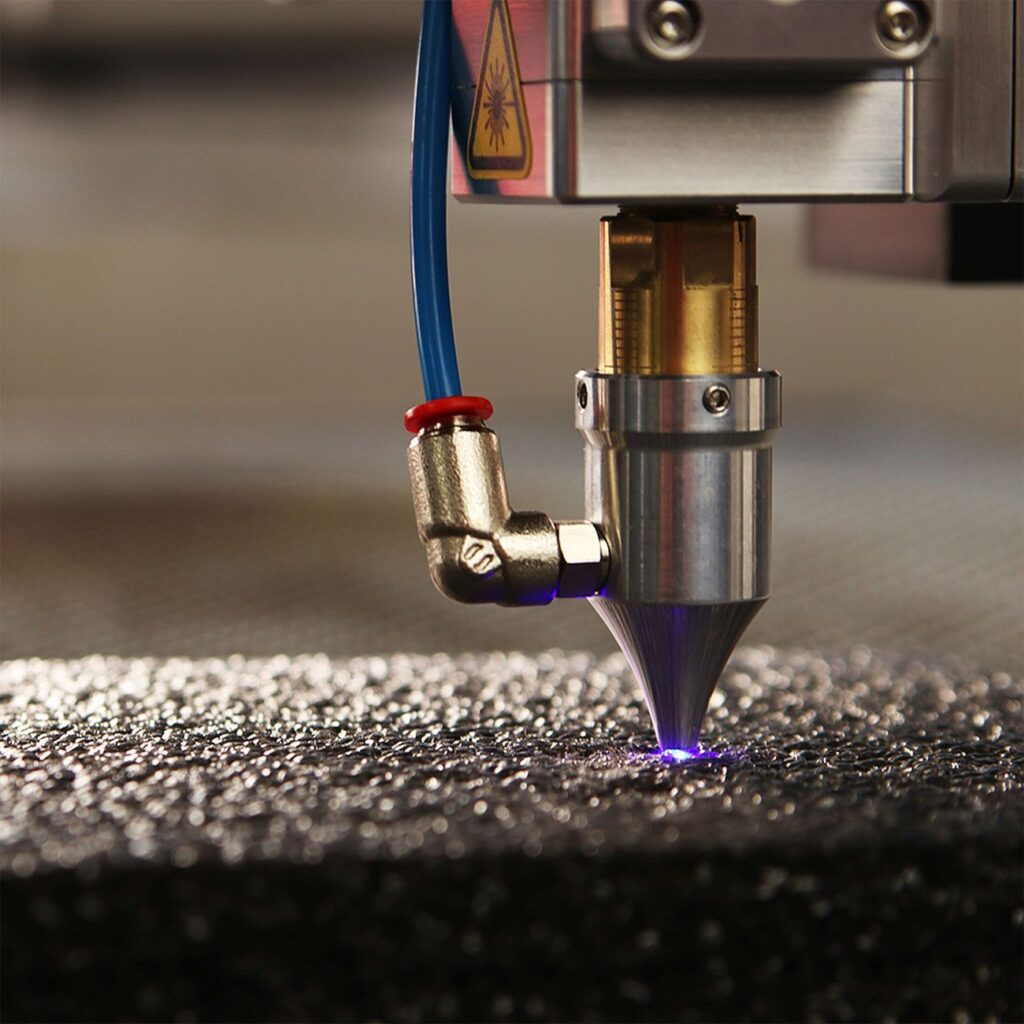
Laser Cutting Material Usage is a critical factor in modern manufacturing and fabrication. By leveraging the precision of laser technology, businesses can dramatically reduce waste, lower costs, and improve overall efficiency. This guide explores the proven strategies and technologies that make laser cutting an extraordinary choice for material optimization.
Whether you’re working with acrylic, metal, wood, or composites, understanding how to maximize material usage can transform your production process. From advanced nesting algorithms to minimal kerf widths, laser cutting offers unparalleled advantages over traditional methods.
Understanding Laser Cutting Material Usage Efficiency
Laser cutting material usage begins with the inherent precision of the laser beam. Unlike mechanical cutting, which often requires wider cuts and leaves rough edges, a laser’s focused beam creates a kerf as narrow as 0.1 mm. This minimal material loss directly translates to more parts per sheet and less scrap.
Key Factors Influencing Material Yield
- Kerf width: Laser cutters produce extremely thin cuts, saving material compared to saw blades or routers.
- Heat-affected zone (HAZ): Modern lasers minimize HAZ, preserving material integrity and allowing tighter part spacing.
- Cutting speed: Faster cuts reduce thermal distortion, enabling closer nesting of parts.
Nesting Software: The Secret to Maximizing Material Yield
One of the most powerful tools for improving laser cutting material usage is nesting software. These programs automatically arrange parts on a sheet to minimize waste, often achieving utilization rates above 90%. By combining multiple orders or projects into a single cutting layout, businesses can significantly reduce scrap.
How Nesting Works in Practice
Advanced nesting algorithms consider part geometry, grain direction, and material constraints. For example, when cutting acrylic, the software can rotate and mirror parts to fit tightly together. This is especially valuable for high-volume production runs where even a 5% improvement in material usage translates to substantial savings.
Material Selection and Its Impact on Usage
Not all materials respond the same way to laser cutting. Choosing the right material for your application directly affects laser cutting material usage. For instance, acrylic cuts cleanly with minimal melting, allowing tight nesting. Metals like stainless steel require more power but still offer excellent yield when parameters are optimized.
Recommended Materials for Optimal Yield
- Acrylic: Cuts with polished edges, minimal waste, and high dimensional accuracy.
- Mild steel: Good for structural parts; nesting can achieve 85-90% utilization.
- Wood: Plywood and MDF cut efficiently, but grain direction must be considered.
Design for Manufacturing: Reducing Waste Before Cutting
Optimizing laser cutting material usage starts at the design stage. Engineers and designers can incorporate features that reduce scrap, such as shared cut lines, common kerfs, and standardized part dimensions. By collaborating with laser cutting services early, you can avoid costly redesigns.
Tips for Waste-Reducing Design
- Use standard sheet sizes to minimize leftover strips.
- Design parts with nesting in mind—avoid odd angles that create large gaps.
- Combine small parts into larger assemblies to fill sheet space.
Laser Cutting vs. Traditional Methods: A Clear Advantage
Compared to traditional mechanical cutting, laser cutting material usage is far superior. Mechanical saws and routers remove material as chips or dust, while lasers vaporize only the narrow cut path. Additionally, laser cutting eliminates tool wear, ensuring consistent accuracy across thousands of parts. For a deeper comparison, see Laser Cutting vs Traditional Mechanical Cutting.
Advanced Techniques for Even Greater Savings
Beyond basic nesting, several advanced techniques can further enhance laser cutting material usage. These include:
- Common-line cutting: Adjacent parts share a single cut line, reducing total cut length and material loss.
- Micro-jointing: Small tabs hold parts in place during cutting, allowing closer spacing without parts shifting.
- Multi-sheet cutting: Some lasers can cut multiple stacked sheets simultaneously, maximizing throughput per material load.
Real-World Impact of Optimization
Businesses that implement these techniques often report material savings of 15-30%. For a custom signage company, that means more signs per sheet and lower per-unit costs. Custom laser-cut signage benefits greatly from these optimizations, allowing intricate designs without excessive waste.
Quality Control and Material Handling
Proper material handling and storage also influence laser cutting material usage. Warped or contaminated sheets can lead to misaligned cuts and rejected parts. Always store materials flat and clean, and use proper fixturing to hold them steady during cutting.
Inspection and Rework Prevention
Implementing quality checks at each stage—material receipt, cutting, and finishing—reduces the need for rework, which wastes material. A single defective part can mean the entire sheet is scrapped, so precision is paramount.
By adopting these strategies, manufacturers can achieve extraordinary levels of material efficiency. Laser cutting material usage is not just about the machine—it’s about the entire ecosystem of design, software, and process control. Start optimizing your material usage today and see the difference in your bottom line. For top-quality results, partner with a professional laser cutting service that prioritizes material efficiency.