 Laser-Cut Acrylic Interior Design: Innovative Uses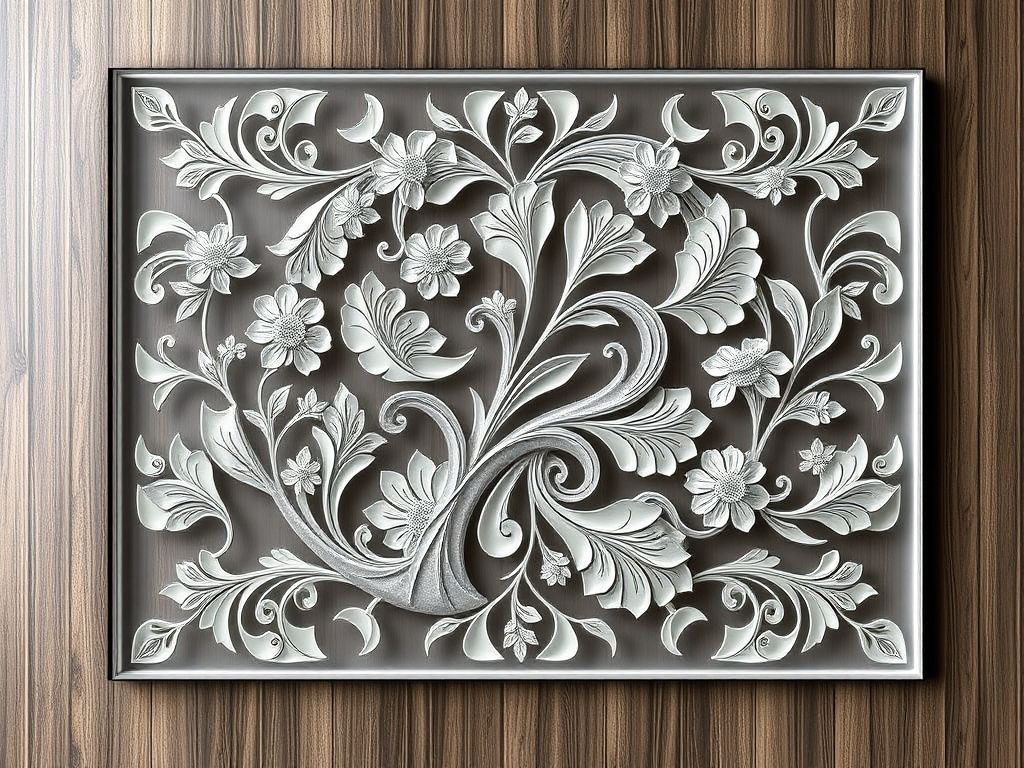
Laser-Cut Acrylic Interior Design: A Paradigm Shift in Modern Aesthetics
laser-cut acrylic interior design represents a revolutionary approach to spatial aesthetics, merging industrial precision with artistic expression. This technique leverages advanced laser cutting technology to fabricate intricate patterns, geometric motifs, and custom shapes from acrylic sheets, offering interior designers an unprecedented level of creative freedom. Unlike traditional materials such as wood or metal, acrylic provides exceptional clarity, light transmission, and durability, making it ideal for both residential and commercial applications. The versatility of laser-cut acrylic allows for the creation of bespoke room dividers, decorative wall panels, lighting fixtures, and furniture accents that elevate the visual and functional quality of any interior space.
The growing popularity of this material stems from its ability to combine transparency with structural integrity. Acrylic can be laser-cut with micron-level accuracy, enabling the production of complex designs that would be impossible or prohibitively expensive with other methods. This precision ensures clean, Polished Edges that enhance the material’s aesthetic appeal and safety. Furthermore, acrylic is lightweight, shatter-resistant, and easy to maintain, making it a practical choice for high-traffic areas. As sustainability becomes a central concern in design, acrylic’s recyclability and longevity further solidify its position as a forward-thinking material for contemporary interiors.
Transformative Applications of Laser-Cut Acrylic in Interior Spaces
Decorative Wall Panels and Room Dividers
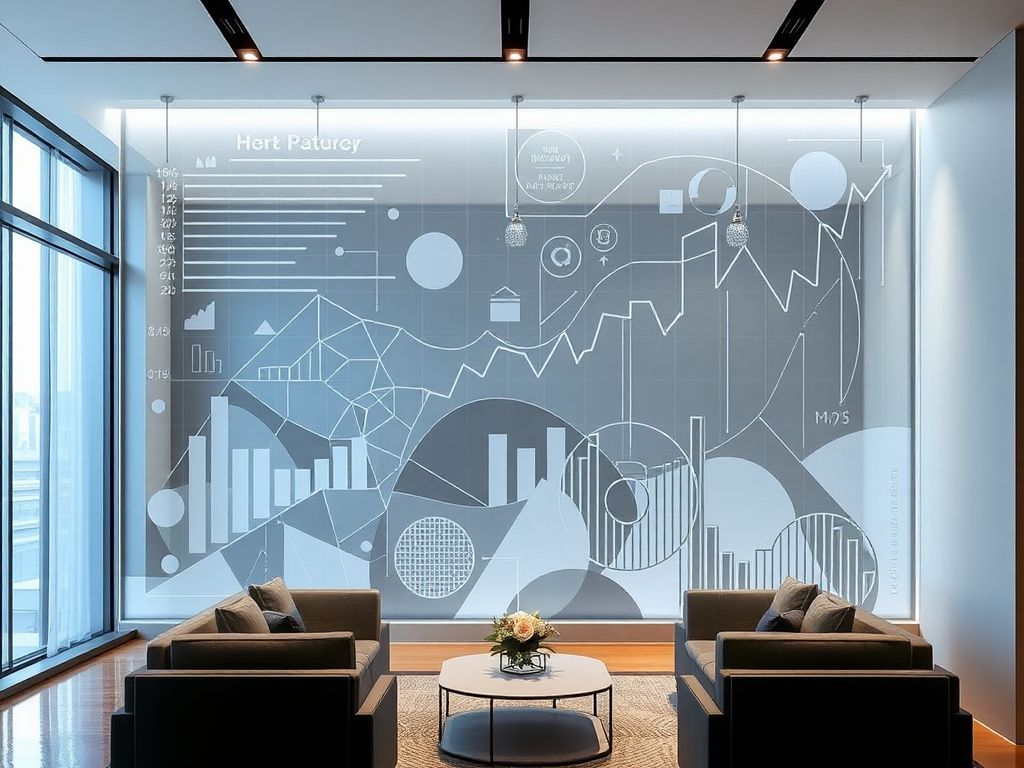
One of the most striking uses of laser-cut acrylic interior design is in the creation of decorative wall panels and room dividers. These elements can transform an open-plan layout into distinct functional zones without sacrificing light or visual flow. For instance, a laser-cut acrylic screen featuring a delicate floral or geometric pattern can serve as a stunning focal point in a living room or lobby, casting intricate shadows that change throughout the day. The material’s translucency allows for partial privacy while maintaining an airy, open feel. Designers can choose from a vast array of patterns—from minimalist lines to elaborate mandalas—to match the overall aesthetic of the space. Additionally, because acrylic can be cut into virtually any shape, custom logos or branding motifs can be seamlessly integrated into corporate environments.
Lighting Fixtures and Luminous Installations
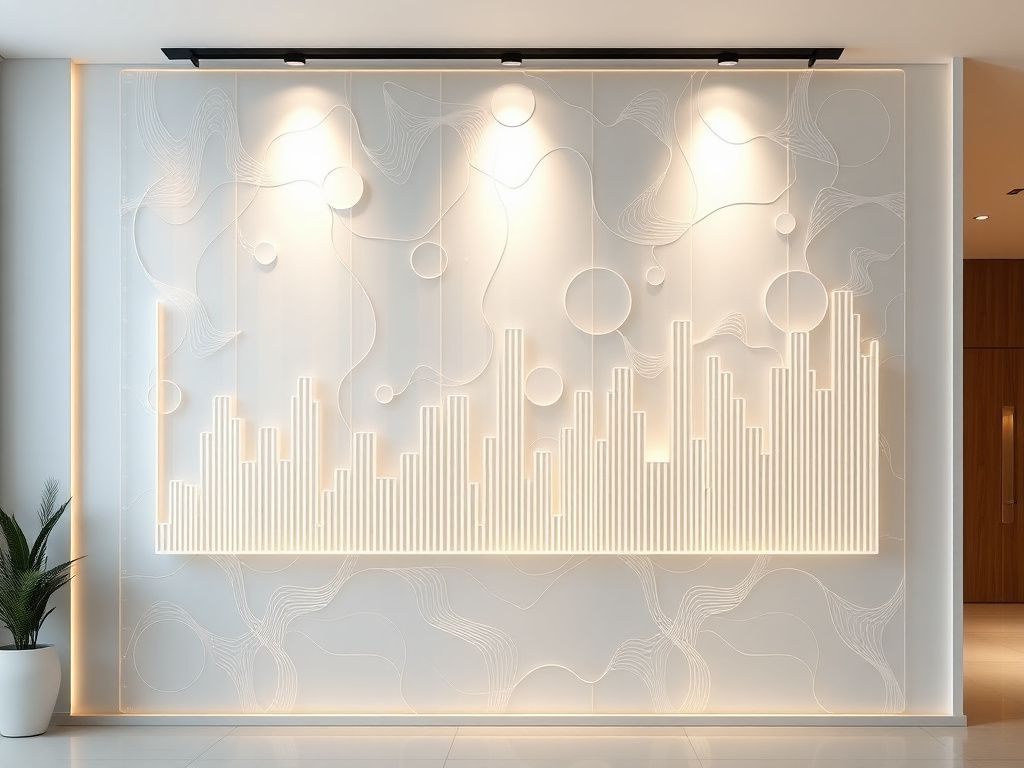
Acrylic’s exceptional light-diffusing properties make it an ideal candidate for innovative lighting solutions. Laser-cut acrylic panels can be used to create pendant lights, chandeliers, sconces, and backlit wall art that emit a soft, even glow. The precision cuts allow light to pass through specific areas, creating dynamic patterns and depth. For example, a laser-cut acrylic ceiling panel with a honeycomb or wave pattern can produce a mesmerizing interplay of light and shadow when illuminated from behind. This technique is particularly popular in hospitality settings, such as hotels and restaurants, where ambiance is paramount. The durability of acrylic ensures that these fixtures maintain their clarity and performance over time, even in humid or high-traffic environments.
Furniture and Functional Art
Beyond decorative elements, laser-cut acrylic is increasingly used in furniture design. Tables, chairs, shelving units, and storage solutions can incorporate acrylic components that add a modern, transparent aesthetic. A laser-cut acrylic tabletop with an integrated pattern can serve as a conversation piece, while acrylic shelving with cut-out designs offers both storage and visual interest. The material’s strength-to-weight ratio allows for the creation of slim, elegant forms that appear to float in space. Designers often combine acrylic with other materials, such as wood or metal, to create striking contrasts. For instance, a laser-cut acrylic chair back with a lattice pattern can provide ergonomic support while adding a sculptural element to the room. This fusion of function and art exemplifies the transformative potential of laser-cut acrylic in interior design.
Technical Considerations and Best Practices for Implementation
Material Selection and Thickness
Successful laser-cut acrylic interior design projects hinge on careful material selection. Acrylic sheets come in various thicknesses, typically ranging from 1.5 mm to 25 mm, with thicker sheets offering greater rigidity. For decorative panels and room dividers, 3 mm to 6 mm thickness is common, balancing durability with ease of handling. Lighting fixtures often use thinner sheets (2 mm to 4 mm) to allow for optimal light transmission. It is essential to choose between cast and extruded acrylic: cast acrylic is more stable and produces cleaner edges, making it preferable for intricate designs, while extruded acrylic is more economical for simpler cuts. Additionally, designers should consider the finish—clear, frosted, colored, or mirrored—to achieve the desired visual effect. Consulting with a professional laser cutting service can help ensure the right material choice for each application.
Edge Quality and Finishing
The quality of the cut edge is paramount in acrylic design. Laser cutting produces a polished, flame-polished edge that is smooth and glossy, eliminating the need for additional finishing in many cases. However, for applications where the edge is visible, such as in transparent panels, a high-precision laser cutting service can achieve a flawless result. Designers should specify the desired edge finish—whether matte, satin, or high-gloss—to match the overall aesthetic. In high-end projects, edge polishing can enhance the material’s clarity and give it a jewel-like appearance. Proper edge treatment also improves safety by removing any sharpness, making the acrylic suitable for use in homes with children or pets.
Integration with Other Design Elements
To maximize the impact of laser-cut acrylic, designers should consider how it interacts with other elements in the space. Lighting is a critical factor: backlighting can accentuate cut patterns, while ambient light can create subtle shadows. Color coordination is also important—clear acrylic complements a minimalist palette, while colored or mirrored acrylic can add a bold accent. Additionally, the scale of the pattern should be proportional to the room size; large, open patterns work well in spacious areas, while intricate, dense designs suit smaller, intimate settings. By thoughtfully integrating laser-cut acrylic with flooring, wall colors, and furniture, designers can create cohesive and visually compelling interiors.
Advantages Over Traditional Materials and Techniques
Compared to traditional materials like wood, metal, or glass, laser-cut acrylic interior design offers several distinct advantages. Wood can warp, rot, or require frequent refinishing; metal may rust or corrode; and glass is heavy and prone to breakage. Acrylic, on the other hand, is resistant to moisture, UV radiation, and impact, making it suitable for kitchens, bathrooms, and outdoor applications. Its lightweight nature simplifies installation and reduces structural load. Moreover, laser cutting eliminates the need for tooling or molds, enabling rapid prototyping and cost-effective customization. This technology allows designers to experiment with complex geometries that would be cost-prohibitive with traditional fabrication methods. As a result, acrylic has become the material of choice for cutting-edge interior design projects that demand both aesthetics and performance.
Case Studies: Exemplary Projects Showcasing Laser-Cut Acrylic
Several notable projects illustrate the versatility of laser-cut acrylic. In a high-end retail boutique, a laser-cut acrylic partition wall featuring a brand’s logo pattern was used to separate the showroom from the back office, creating a sense of exclusivity while maintaining an open feel. In a modern residence, a laser-cut acrylic ceiling panel with a starburst pattern was backlit with LED strips, transforming the entryway into a dramatic focal point. A corporate lobby incorporated a large-scale acrylic screen with a parametric design, echoing the company’s innovative ethos. These examples demonstrate how Acrylic Laser cutting can be tailored to specific design visions, delivering results that are both functional and visually stunning. Each project benefited from the material’s ability to combine precision with artistry, proving that laser-cut acrylic is not just a trend but a lasting solution for sophisticated interiors.
In conclusion, the integration of laser-cut acrylic into interior design offers a compelling blend of beauty, durability, and adaptability. Whether used for decorative panels, lighting, or furniture, this material empowers designers to push creative boundaries while meeting practical needs. For those seeking to elevate their next project with custom laser-cut acrylic elements, partnering with an experienced laser cutting service ensures exceptional quality and precision. Explore the possibilities today and transform your space with the innovative potential of laser-cut acrylic.