 Laser-Cut Metal Parts in Automotive: Precision &
Laser-Cut Metal Parts in the Automotive Industry: Precision Engineering for Modern Vehicles
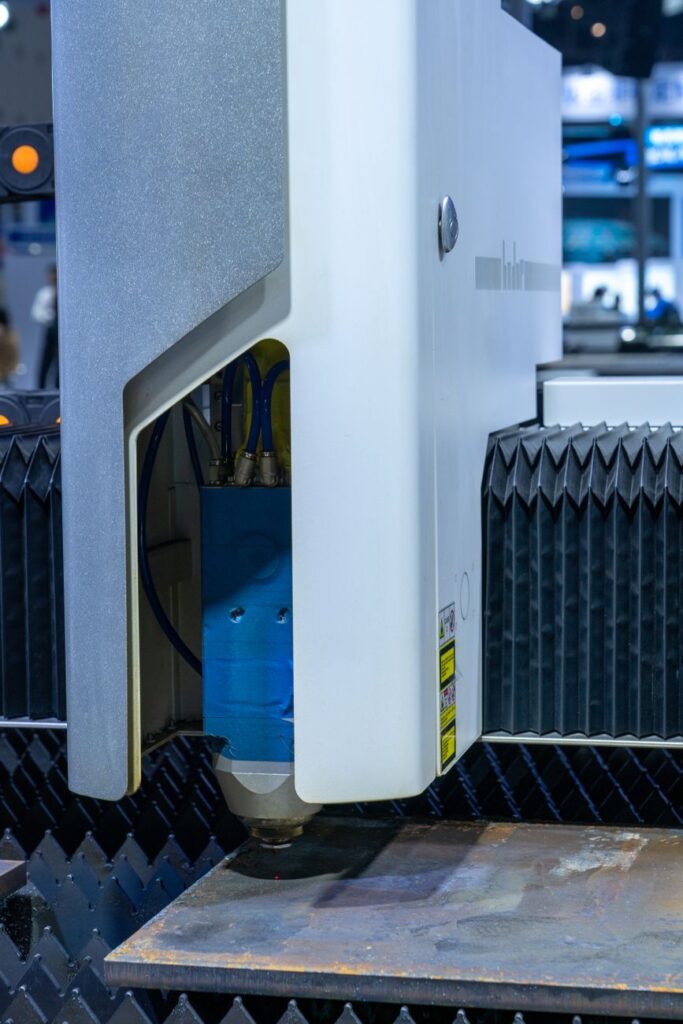
The automotive industry constantly seeks manufacturing methods that combine high precision, repeatability, and cost-effectiveness. Among these, Laser-Cut Metal Parts have emerged as a cornerstone technology, enabling the production of complex geometries with exceptional accuracy. This article examines the technical advantages, material considerations, and design implications of employing Laser Cutting for automotive components, highlighting its role in advancing vehicle performance and production efficiency.
Advantages of Laser-Cut Metal Parts in Automotive Manufacturing
Unmatched Precision and Tolerances
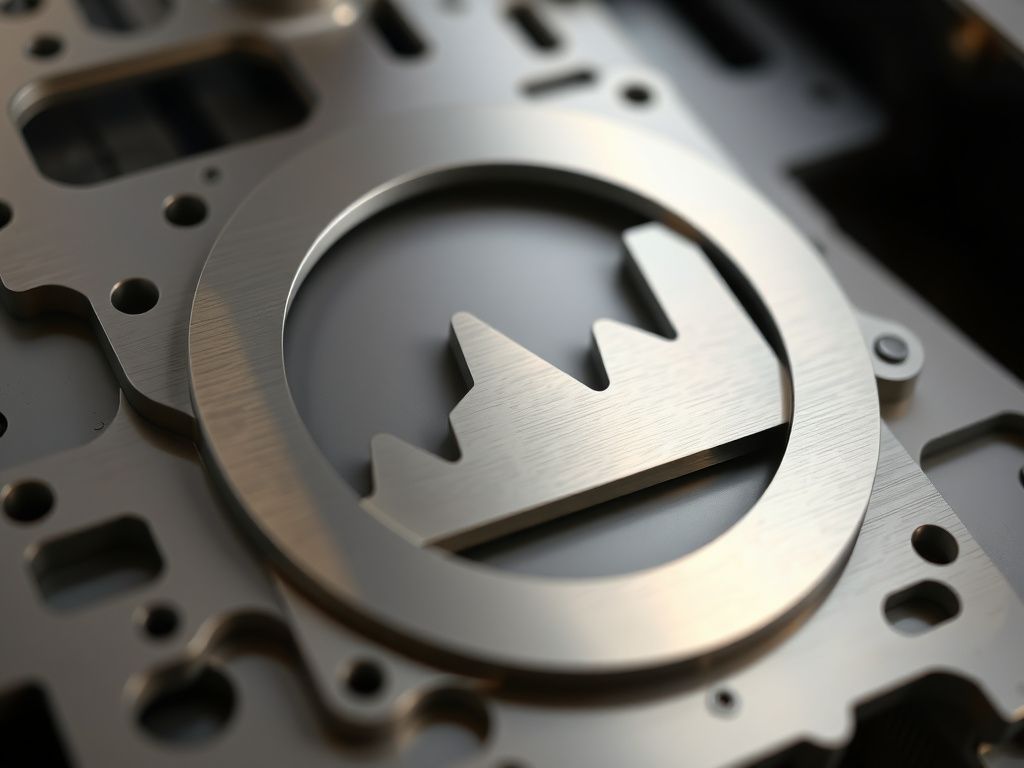
Laser cutting achieves tolerances as tight as ±0.1 mm, essential for components such as brackets, chassis parts, and engine elements. This precision reduces the need for secondary finishing operations and ensures consistent fitment across production batches. The non-contact nature of the process eliminates mechanical stress on the material, preserving its integrity.
Design Flexibility and Complex Geometries
Automotive designs increasingly incorporate intricate shapes to optimize weight and aerodynamics. Laser-cut metal parts allow engineers to create complex cutouts, slots, and patterns that would be impossible or prohibitively expensive with traditional stamping or machining. This flexibility supports rapid prototyping and iterative design improvements.
Material Efficiency and Waste Reduction
The narrow kerf of laser cutting minimizes material loss, particularly valuable when working with expensive alloys or high-strength steels. Nesting software optimizes part placement on sheets, further reducing scrap. This contributes to both cost savings and sustainability goals in automotive production.
Materials Commonly Used for Laser-Cut Metal Parts in Vehicles
Steel and High-Strength Alloys
Carbon steel and various alloy steels remain prevalent for structural components due to their strength and weldability. Laser cutting handles these materials efficiently, even at thicknesses up to 25 mm. Advanced fiber lasers can process high-strength steels without excessive heat-affected zones.
Aluminum and Lightweight Metals
Weight reduction is a primary driver in modern vehicle design. Laser cutting of aluminum alloys and other lightweight metals enables the fabrication of body panels, heat shields, and battery enclosures. The process maintains dimensional accuracy without burr formation.
Stainless Steel and Exotic Alloys
For exhaust systems, trim components, and corrosion-resistant parts, stainless steel is a common choice. Laser cutting produces clean edges and minimal dross, reducing post-processing. Titanium and Inconel are also used in high-performance applications where precision is critical.
Applications of Laser-Cut Metal Parts Across Automotive Systems
Chassis and Structural Components
Laser-cut brackets, reinforcements, and mounting plates are integral to modern chassis designs. The ability to produce complex shapes with consistent quality supports modular assembly and crashworthiness requirements.
Engine and Powertrain Parts
Gaskets, shims, and sensor components often rely on laser cutting for fine details. The process ensures accurate hole placement and edge quality, which are critical for sealing and alignment.
Interior and Trim Elements
Decorative metal trim, dashboard inserts, and functional components such as seat adjuster brackets benefit from laser cutting’s aesthetic and dimensional precision. Laser engraving can also be combined for branding or part identification.
Battery and Electric Vehicle Components
As electric vehicles proliferate, laser-cut metal parts are essential for busbars, cooling plates, and connector terminals. The high conductivity of copper and aluminum requires clean cuts to maintain electrical performance.
Design Considerations for Laser-Cut Metal Parts in Automotive
Kerf and Feature Size
Understanding kerf width is vital when designing slots and holes. Typically 0.1–0.3 mm, kerf compensation must be applied in the CAD file to achieve final dimensions. Minimum hole diameter should be at least the material thickness to avoid distortion.
Edge Quality and Post-Processing
While laser cutting produces smooth edges, some applications may require deburring or surface finishing. Specifying acceptable edge roughness and dross limits helps balance cost and quality. Using gas assistance can improve cut quality for thick materials.
Tolerances and Fit-Up
For components that mate with others, tolerance stacking must be considered. Laser cutting offers consistent accuracy, but thermal expansion and material stress can affect large parts. Proper fixturing and design for assembly mitigate these issues.
Laser Cutting vs. Traditional Methods for Automotive Parts
Compared to stamping, waterjet, or plasma cutting, laser cutting offers superior precision and edge quality for thin to medium thicknesses. It is ideal for low-to-medium volume production and prototyping. For high-volume runs, stamping may be more economical, but laser cutting provides flexibility without tooling costs. The choice depends on part complexity, material, and production volume.
Quality Control and Inspection of Laser-Cut Automotive Parts
Automotive standards require rigorous quality assurance. Dimensional inspection using coordinate measuring machines (CMM) or optical comparators verifies compliance. Visual inspection for dross, burrs, and heat discoloration is standard. Implementing in-process monitoring of laser power and focus ensures consistency.
Future Trends in Laser-Cut Metal Parts for Automotive
Advancements in fiber laser technology and automation are expanding the capabilities of laser cutting. Integration with small batch production systems enables just-in-time manufacturing. The rise of electric vehicles and lightweighting will continue to drive demand for precision laser-cut components.
To leverage the full potential of laser-cut metal parts in your automotive projects, partner with a manufacturer experienced in automotive-grade precision. Contact us today to discuss your design requirements and receive a customized quotation.