 Laser Cutting Reflective Metals: Challenges & Solutions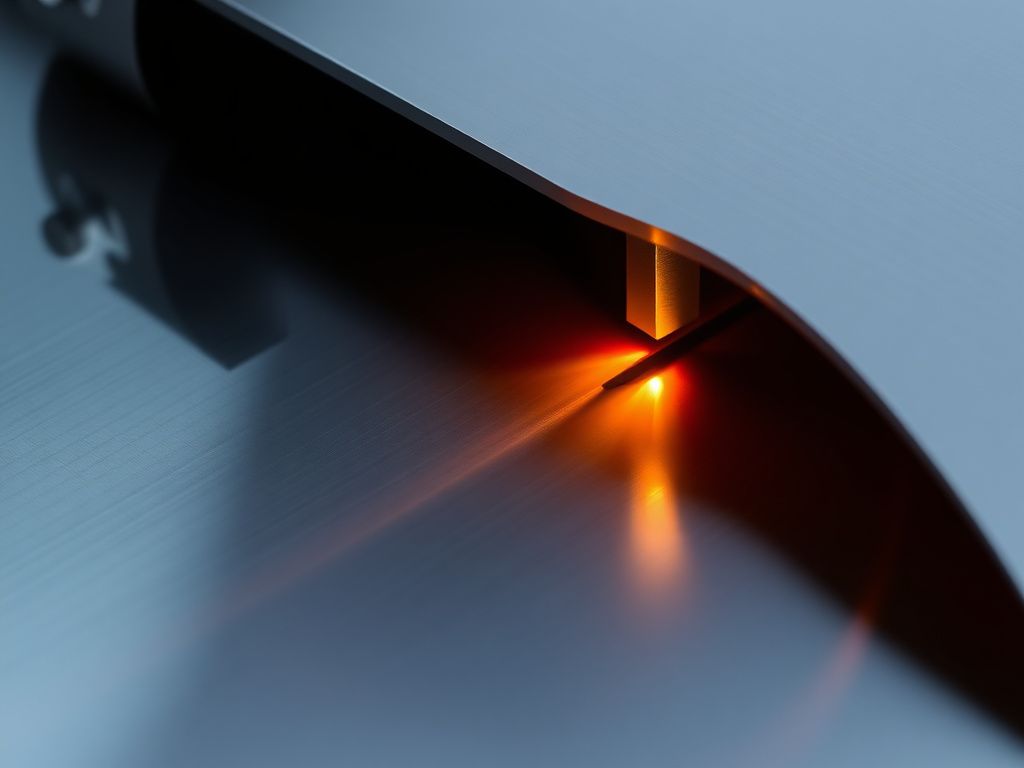
Introduction to Laser Cutting Reflective Metals
laser cutting reflective metals, such as copper, brass, aluminum, and silver, presents unique challenges due to their high reflectivity and thermal conductivity. Unlike non-reflective materials, these metals can cause laser back-reflection, which may damage the laser source and reduce cut quality. Understanding the physics behind these interactions is essential for manufacturers seeking to achieve precise, clean cuts without compromising equipment integrity. This article explores the primary obstacles encountered when processing reflective metals with lasers and provides academic insights into mitigating these issues through advanced techniques and parameter optimization.
The growing demand for reflective metal components in industries like electronics, automotive, and signage has driven the development of specialized laser systems. For instance, fiber lasers with wavelength-specific absorptivity have emerged as a viable solution. However, even with modern equipment, operators must carefully manage beam delivery, assist gas selection, and focal point positioning. By adopting a systematic approach, fabricators can overcome the inherent difficulties and unlock the benefits of laser processing for these materials.
Physical Challenges in Laser Cutting Reflective Metals
High Reflectivity and Thermal Conductivity
The primary challenge in laser cutting reflective metals stems from their high reflectivity at common laser wavelengths, particularly for CO2 lasers (10.6 µm). For example, copper reflects over 95% of incident CO2 laser radiation, leading to inefficient energy coupling and potential damage to the laser optics. Additionally, these metals exhibit high thermal conductivity, which rapidly dissipates heat from the cut zone, resulting in wider kerfs and slower processing speeds. This combination necessitates higher laser power and specialized beam management strategies to achieve consistent cuts.
Back-Reflection Damage to Laser Source
Back-reflection occurs when a portion of the laser beam is reflected from the metal surface back into the laser cavity. This can cause overheating, optical damage, or even catastrophic failure of the laser source. Fiber lasers are generally more resistant to back-reflection than CO2 lasers due to their design, but they are not immune. Modern fiber lasers incorporate protective measures such as optical isolators and feedback monitoring systems, but operators must still adhere to recommended parameters to minimize risk.
Technical Solutions for Efficient Cutting
Fiber Laser Technology for Reflective Metals
Fiber lasers operating at 1 µm wavelength offer significantly higher absorptivity for reflective metals like copper and aluminum. At this wavelength, copper absorbs approximately 5% of incident radiation, compared to less than 2% for CO2 lasers. This improved absorption enables faster cutting speeds and reduced heat-affected zones. Additionally, fiber lasers have a smaller spot size, allowing for finer kerf widths and enhanced precision. For example, laser cutting precision is influenced by beam quality, which fiber lasers excel at maintaining.
Beam Delivery and Optics Management
To mitigate back-reflection, operators can employ techniques such as using a cutting head with a protective window, implementing beam dumps, or utilizing wavelength-absorbing coatings. Another approach is to angle the cutting head slightly off-perpendicular to reduce direct reflection back into the laser cavity. Additionally, selecting the appropriate nozzle design and assist gas can improve melt ejection and reduce the amount of reflected light. For instance, using nitrogen as an assist gas for stainless steel is common, but for reflective metals, oxygen may enhance energy absorption through exothermic reactions.
Process Parameter Optimization
Power and Pulse Settings
Optimizing laser power and pulse parameters is crucial for cutting reflective metals. Continuous wave (CW) lasers are often used for thicker materials, but pulsed lasers can provide better control for thin sheets. For copper, a high-peak-power pulsed mode can initiate the cut more effectively, overcoming the initial reflectivity barrier. The pulse duration and frequency must be tuned to the material’s thermal properties to avoid excessive heat buildup. Advanced laser systems can automatically adjust parameters based on real-time feedback from the cutting process.
Focal Position and Assist Gas Selection
The focal point position relative to the material surface significantly affects cut quality. For reflective metals, a slightly defocused beam can increase the spot size and reduce power density, which may improve energy coupling. However, this must be balanced with the need for a narrow kerf. Assist gas selection also plays a role: oxygen can increase cutting speed for some reflective metals by adding exothermic energy, but it may also cause oxidation on the cut edge. Inert gases like nitrogen produce cleaner cuts but require higher laser power. Gas assistance laser cutting is a critical factor in achieving desired edge quality.
Safety and Equipment Considerations
Laser Safety Measures
Working with reflective metals demands strict adherence to laser safety protocols. The risk of back-reflection can lead to eye injuries if protective eyewear is not used. Additionally, operators must ensure that the laser enclosure is properly designed to contain any stray reflections. Regular maintenance of optics and beam delivery components is essential to prevent damage from accumulated reflected energy. Training programs should emphasize the unique hazards associated with reflective materials.
Machine Selection and Upgrades
Investing in a laser system specifically designed for reflective metals can mitigate many challenges. Modern fiber lasers with built-in back-reflection protection, such as those with optical isolators or automatic power reduction features, are recommended. Some machines offer wavelength options (e.g., green or UV lasers) that provide even higher absorption for certain metals. For existing equipment, retrofitting with protective components can be a cost-effective solution. The choice of laser technology also impacts cut quality and efficiency, as discussed in laser cutting technology fundamentals.
In the furniture industry, laser-cut reflective metal parts are gaining popularity for decorative elements and structural components. For example, Laser-Cut Metal furniture parts often incorporate aluminum or brass accents, requiring careful process control to achieve the desired aesthetic without compromising integrity. Similarly, in signage, reflective metals like stainless steel are used for high-end applications, demanding precision and consistency.
Ultimately, mastering laser cutting reflective metals requires a combination of advanced technology, optimized parameters, and operator expertise. By understanding the underlying physics and implementing appropriate solutions, manufacturers can achieve reliable, high-quality cuts that meet the demands of modern applications. As laser technology continues to evolve, new innovations such as beam shaping and adaptive optics promise to further simplify the processing of these challenging materials.