 Laser Cutting Small Batch Production: Key Benefits
Introduction to Laser Cutting Small Batch Production
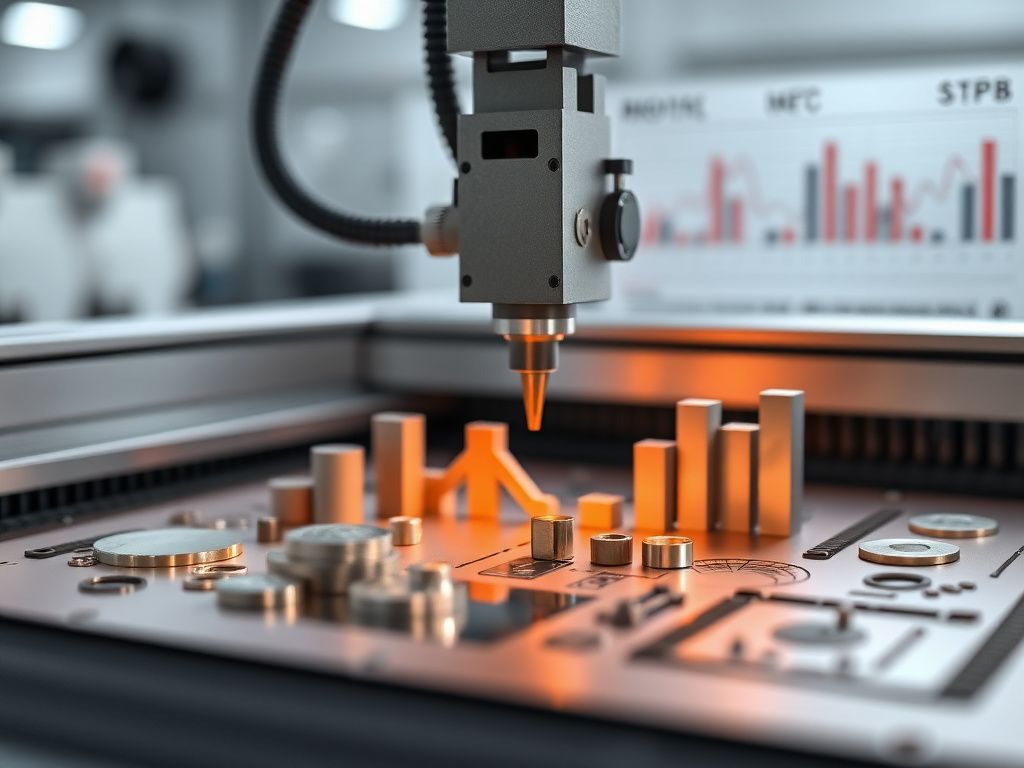
Laser Cutting Small Batch Production has emerged as a transformative approach for manufacturers seeking precision and flexibility without the overhead of traditional mass production. This technology enables the fabrication of limited quantities of parts with exceptional accuracy, making it ideal for prototyping, custom orders, and niche markets. By leveraging a focused beam of light to cut materials, laser cutting eliminates the need for costly tooling and setup changes, allowing for rapid transitions between different designs. In today’s competitive landscape, businesses increasingly turn to laser cutting to meet the demand for personalized products and short-run manufacturing. The ability to produce high-quality components in small volumes without sacrificing detail or speed positions laser cutting as a cornerstone of modern agile manufacturing.
Unlike conventional methods that require dedicated molds or dies, laser cutting offers a non-contact process that minimizes material waste and reduces lead times. This article explores the multifaceted benefits of adopting laser cutting for small batch production, from cost savings and design flexibility to superior edge quality and repeatability. Whether you are a startup developing a new product or an established company diversifying your offerings, understanding these advantages can help you optimize your production strategy.
Precision and Accuracy in Small Runs
Consistent Quality Across Batches
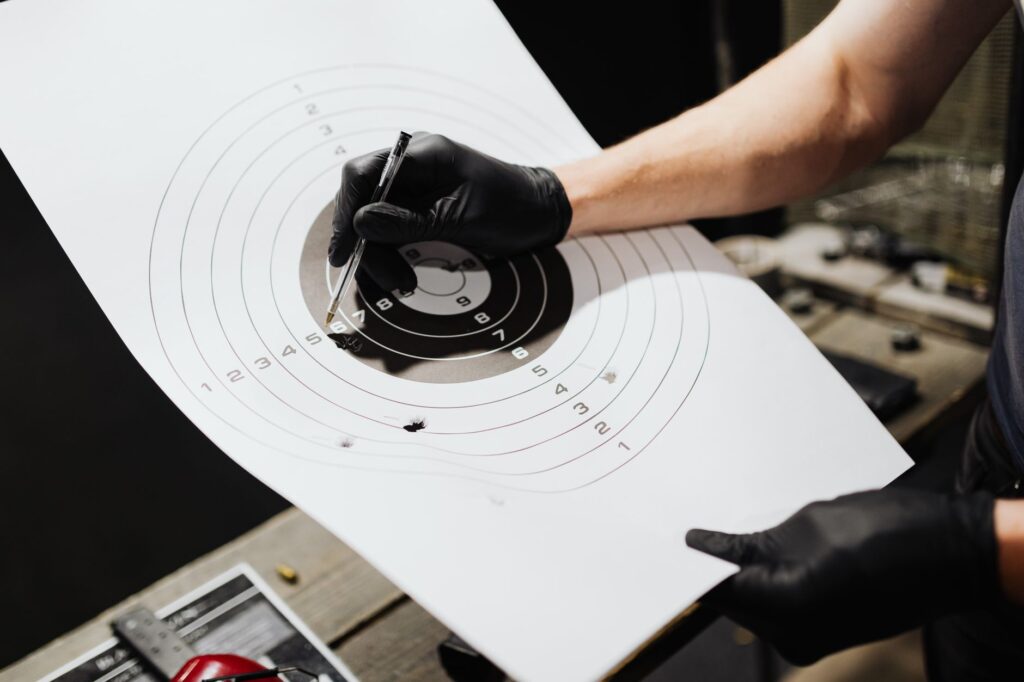
One of the standout benefits of laser cutting small batch production is the unparalleled precision it offers. The laser beam can achieve tolerances as tight as ±0.1 mm, ensuring that each part matches the design specifications exactly. This level of accuracy is critical for industries such as aerospace, medical devices, and electronics, where even minor deviations can lead to functional failures. Unlike mechanical cutting methods that suffer from tool wear, laser cutting maintains consistent quality over multiple runs, so you can reproduce the same part weeks later without recalibration.
Intricate Geometries Without Tooling
Laser cutting excels at producing complex shapes and fine details that would be impossible or prohibitively expensive with traditional techniques. Because the laser follows a digital path, there is no need for physical tooling, which means design changes can be implemented instantly by modifying the CAD file. This capability is particularly valuable for small batch production, where each order may require unique features. For example, custom enclosures, decorative panels, and intricate mechanical components can be cut directly from sheet metal, acrylic, or wood with exceptional sharpness.
Cost Efficiency for Limited Quantities
Elimination of Tooling Costs
Traditional manufacturing methods such as injection molding or stamping require expensive molds and dies that are only economical for large production volumes. In contrast, laser cutting small batch production eliminates these upfront investments, making it financially viable for runs of 1 to 1,000 units. The setup time is minimal—simply upload the vector file and adjust machine parameters—so even a single prototype can be produced cost-effectively. This low barrier to entry enables small businesses and entrepreneurs to bring products to market without massive capital expenditure.
Reduced Material Waste
Laser cutting is a subtractive process that generates minimal waste compared to mechanical cutting. The narrow kerf (cut width) of the laser beam allows for tight nesting of parts, maximizing material utilization. Additionally, because the process is computer-controlled, scrap rates are significantly lower than manual methods. For small batch runs, where material costs per unit are higher, this efficiency translates directly into savings. Many laser cutting services also offer material optimization algorithms that further reduce waste.
Design Flexibility and Rapid Iteration
Fast Prototyping Cycles
In small batch production, the ability to iterate quickly is paramount. Laser cutting enables designers to go from concept to physical part within hours, accelerating the development cycle. Changes to the design can be made on the fly, and multiple versions can be produced in a single day. This agility is essential for testing form, fit, and function before committing to larger quantities. For instance, a product designer can cut several iterations of a bracket, evaluate each, and refine the design without delay.
Seamless Customization
Today’s market demands personalization, and laser cutting small batch production delivers it effortlessly. Each piece in a run can be individually customized with variable text, logos, or patterns without additional tooling. This is particularly beneficial for signage, awards, and promotional items. By integrating variable data into the laser file, you can produce a batch of 50 pieces, each with a unique serial number or name, at no extra cost. This capability opens up new revenue streams for businesses that offer tailored products.
Material Versatility and Edge Quality
Wide Range of Compatible Materials
Laser cutting is compatible with a broad spectrum of materials, including metals (stainless steel, aluminum, brass), plastics (acrylic, polycarbonate), wood, paper, fabric, and composites. For small batch production, this versatility means you can switch between materials without changing hardware, simply by adjusting laser parameters. Whether you need a metal prototype or an acrylic display, the same machine can handle diverse jobs. This flexibility is especially valuable for job shops that serve multiple industries.
Superior Edge Finish
The heat-affected zone in laser cutting is minimal, resulting in clean, burr-free edges that often require no secondary finishing. For materials like acrylic, the laser produces a polished edge, while metals achieve a smooth cut that reduces post-processing. This not only saves time but also improves the aesthetic quality of the final product. In small batch production, where each part may be handled individually, the elimination of deburring or sanding steps streamlines the workflow and lowers labor costs.
Integration with Digital Workflows
From Design to Production in Minutes
Laser cutting small batch production integrates seamlessly with CAD/CAM software, creating a digital thread from design to finished part. Vector files such as DXF, AI, or SVG can be imported directly into the machine’s control software, and nesting algorithms optimize material usage automatically. This digital integration reduces human error and ensures that the physical part matches the digital model exactly. For businesses that rely on rapid prototyping, this workflow is indispensable.
Scalability for Growing Demand
While laser cutting excels at small batches, it also scales gracefully as demand increases. You can start with a single machine and add capacity by investing in additional units or outsourcing to a service provider. Moreover, the same digital files used for a small batch can be reused for larger runs if needed, ensuring consistency across production scales. This scalability makes laser cutting an attractive option for startups that anticipate growth.
Practical Applications and Industry Examples
Custom Signage and Displays
In the advertising and signage industry, laser cutting small batch production enables the creation of bespoke signs with intricate lettering and logos. For example, custom laser-cut signage can be produced in limited quantities for storefronts, trade shows, or corporate events, offering a high-impact visual presence without the cost of mass production. The precision of laser cutting ensures that even small text remains legible, and materials like acrylic and metal can be combined for striking effects.
Prototype Manufacturing
Product development teams frequently use laser cutting to produce functional prototypes of enclosures, brackets, and mechanisms. The ability to iterate quickly and test multiple designs helps reduce time-to-market. For instance, vector files laser cutting preparation is a critical step that ensures the prototype matches the intended design. By outsourcing prototype production to a laser cutting service, companies can avoid investing in machinery while still benefiting from rapid turnaround.
Industrial Components
Even heavy industries like automotive and aerospace leverage laser cutting for small batch production of custom brackets, panels, and fixtures. The process delivers the necessary strength and precision while accommodating low-volume requirements. For example, Laser Cutting Material usage optimization helps reduce costs when working with expensive alloys. This approach is particularly useful for spare parts production, where demand may be limited but quality cannot be compromised.
Choosing the Right Laser Cutting Partner
To fully realize the benefits of laser cutting small batch production, it is essential to partner with a reliable service provider. Look for a company that offers a wide range of materials, advanced machinery, and expertise in handling complex geometries. A provider like top-quality laser cutting service can guide you through material selection, file preparation, and finishing options to ensure your project meets specifications. Additionally, inquire about their quality control processes and turnaround times to align with your production schedule.
When you are ready to move forward, start by preparing your design files according to industry standards. Avoid common pitfalls by reviewing Laser Design mistakes to ensure your artwork is optimized for cutting. With the right preparation and a capable partner, you can leverage laser cutting to produce high-quality small batches efficiently and cost-effectively. Contact us today to discuss your next project and discover how laser cutting can transform your production capabilities.