 Laser Cutting Technology: A Comprehensive Academic
Introduction to Laser Cutting Technology
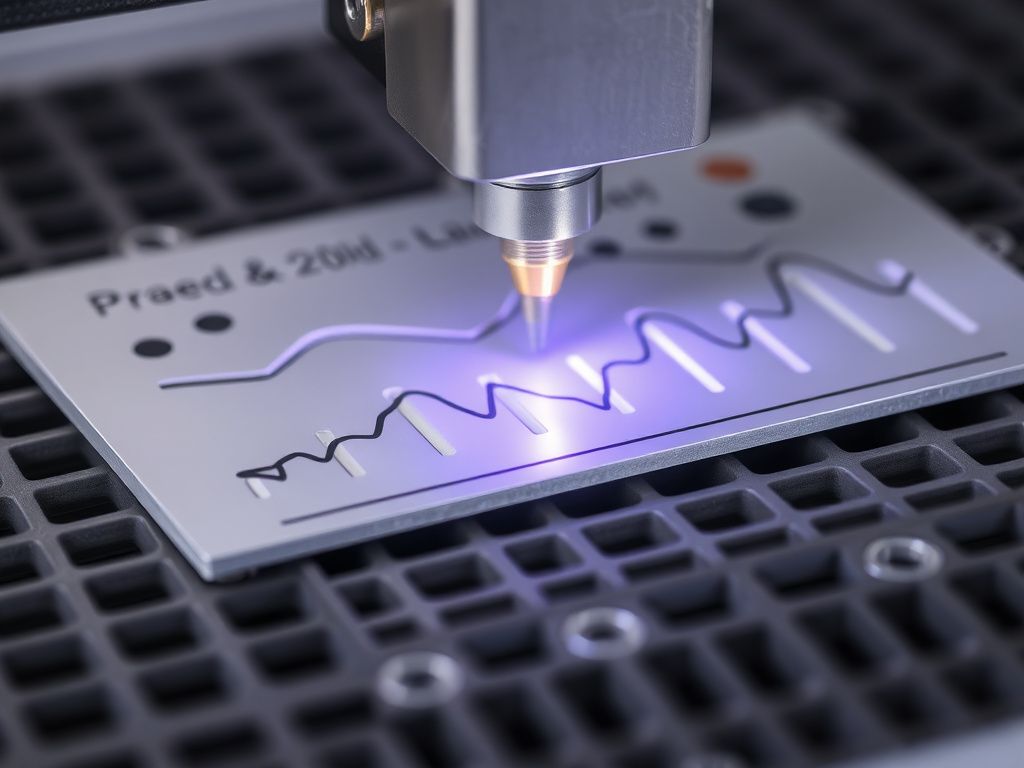
Laser Cutting Technology has revolutionized modern manufacturing by offering unmatched precision and versatility. This process uses a high-power laser beam directed through optics to melt, burn, or vaporize material, resulting in clean, intricate cuts. Understanding the basics of laser cutting technology is essential for engineers, designers, and manufacturers seeking to leverage its capabilities. This article provides an academic exploration of the principles, types, and applications of laser cutting technology, offering a comprehensive overview for professionals.
The fundamental principle involves focusing a laser beam onto a small spot, generating intense heat that rapidly heats and removes material. The process is controlled by computer numerical control (CNC) systems, ensuring repeatable and accurate cuts. Key parameters include laser power, cutting speed, focal position, and assist gas pressure, each influencing cut quality and efficiency. By mastering these variables, operators can achieve superior results across a wide range of materials.
Principles of Laser Cutting Technology
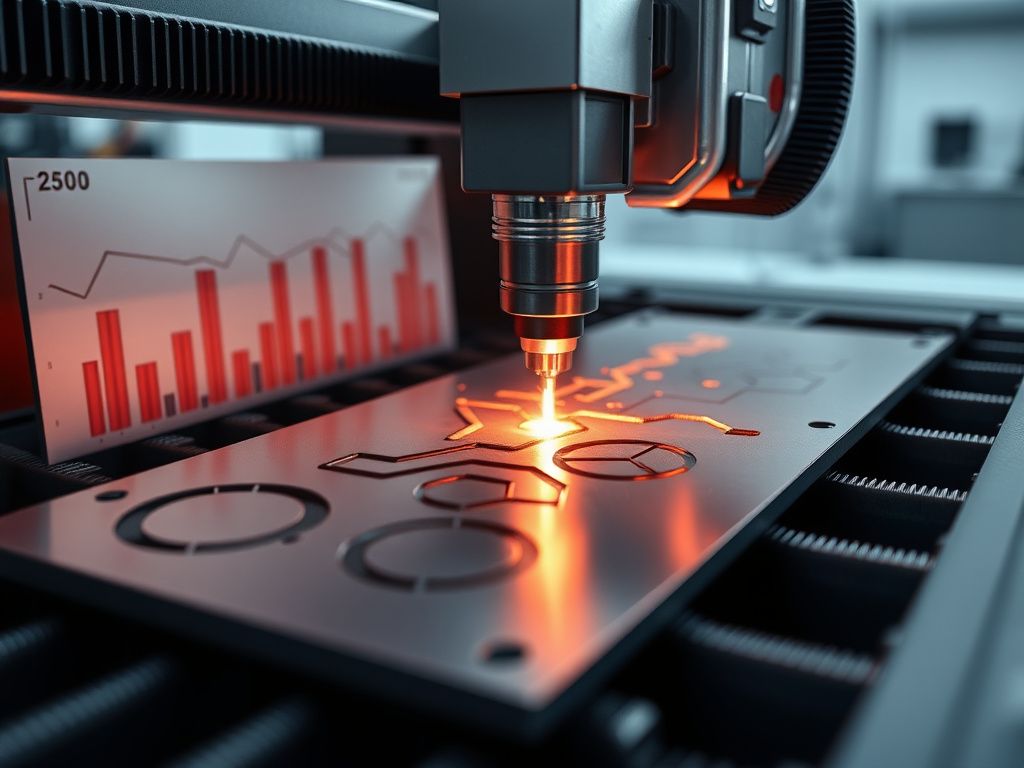
Laser cutting technology relies on three primary mechanisms: melting, burning, and vaporization. In melt cutting, a high-power laser melts the material, and a gas jet (typically nitrogen) blows the molten material away. This method is common for metals like stainless steel and aluminum. In flame cutting, oxygen is used as the assist gas, reacting exothermically with the material to enhance cutting speed, particularly for mild steel. Vaporization cutting uses a high-energy laser to directly vaporize the material, suitable for non-metals like wood, acrylic, and plastics.
Laser Beam Generation and Delivery
The laser source generates a coherent beam through stimulated emission. Common laser types include CO2 lasers (gas lasers) and fiber lasers (solid-state lasers). CO2 lasers emit infrared light at 10.6 micrometers, ideal for non-metals and some metals. Fiber lasers operate at around 1 micrometer, offering higher absorption in metals and greater efficiency. The beam is delivered via mirrors or optical fibers to the cutting head, where it is focused by a lens or mirror onto the workpiece.
Assist Gas and Its Role
Assist gas is crucial in laser cutting technology. It protects the lens from spatter, removes molten material, and may provide exothermic energy. Common gases include oxygen, nitrogen, and compressed air. Oxygen enhances cutting speed for steel but can cause oxidation. Nitrogen produces clean, oxide-free edges for stainless steel and aluminum. Compressed air is cost-effective for non-metals. The choice of gas significantly affects cut quality, as discussed in our guide on gas assistance laser cutting.
Types of Laser Cutting Machines
Laser cutting technology encompasses several machine types, each suited for specific applications. CO2 lasers are versatile and widely used for cutting wood, acrylic, textiles, and metals up to moderate thicknesses. Fiber lasers excel in cutting reflective metals like copper and brass, offering higher efficiency and lower maintenance. Nd:YAG lasers (solid-state) are used for high-power applications, though they are less common today. The choice depends on material type, thickness, and desired cut quality.
CO2 Laser Cutting
CO2 lasers are the workhorses of the industry, providing excellent beam quality and power up to several kilowatts. They are ideal for non-metals and thin to medium-thickness metals. The wavelength is well absorbed by organic materials, making them perfect for signage, packaging, and decorative items. For intricate designs, CO2 lasers deliver smooth edges with minimal charring.
Fiber Laser Cutting
Fiber lasers have gained popularity due to their high electrical efficiency, compact design, and superior beam quality. They can cut reflective materials without back-reflection issues, making them suitable for automotive and aerospace components. Fiber lasers also offer faster cutting speeds for thin metals and require less maintenance. Our article on Future Trends in laser cutting highlights the growing dominance of fiber lasers.
Key Parameters Affecting Cut Quality
To achieve optimal results with laser cutting technology, operators must control several parameters. Laser power determines the energy input; higher power enables thicker cuts but may cause excessive melting. Cutting speed affects the time the beam interacts with the material; too slow leads to wide kerf and heat-affected zone, too fast results in incomplete cuts. Focal position influences the beam spot size and energy density. Proper adjustment is critical for precision.
Kerf Width and Tolerances
Kerf width is the material removed by the laser beam, typically 0.1–0.5 mm. It depends on laser power, speed, and material properties. Understanding kerf is essential for design accuracy, especially for tight tolerances. Our comprehensive guide on kerf width in laser cutting provides detailed insights. Designers must account for kerf when creating vector files to ensure parts fit correctly.
Heat-Affected Zone (HAZ)
The heat-affected zone is the area around the cut where material properties change due to thermal exposure. Minimizing HAZ is crucial for maintaining material integrity, especially in metals. Using appropriate assist gas and optimizing cutting parameters can reduce HAZ. For acrylic, stress cracks can occur if not handled properly; our tips on preventing stress cracks in laser-cut acrylic are invaluable.
Applications of Laser Cutting Technology
Laser cutting technology is used across diverse industries. In manufacturing, it produces precision components for automotive, aerospace, and electronics. In signage and advertising, it creates custom letters, logos, and displays. The medical industry uses it for stents and surgical instruments. Additionally, laser cutting is popular in prototyping and small-batch production due to its flexibility and speed. For those interested in small runs, our article on laser cutting for small batch production outlines key benefits.
Material Compatibility
Laser cutting technology can process a wide range of materials, including metals (steel, aluminum, copper, brass), plastics (acrylic, polycarbonate), wood, paper, textiles, and composites. Each material responds differently; for instance, acrylic yields polished edges, while wood may char. Proper material selection and parameter adjustment are vital. Our guide on optimizing material usage offers efficiency tips.
In conclusion, laser cutting technology continues to evolve, offering ever-greater precision and capabilities. Whether you are a seasoned professional or new to the field, understanding these basics empowers you to harness its full potential. For top-quality results, consider partnering with a reliable service provider like our laser cutting service to bring your designs to life with accuracy and efficiency.