 Laser Cutting vs CNC Routing for Acrylic Sheets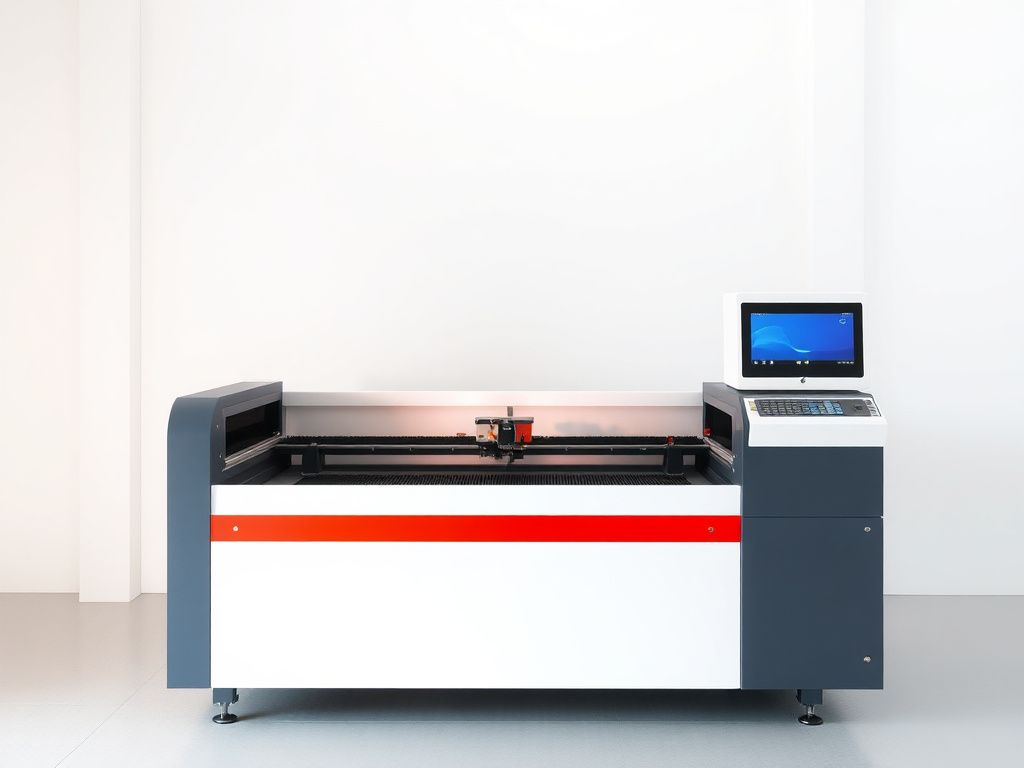
Laser Cutting vs CNC Routing for Acrylic Sheets: A Comprehensive Guide

Laser Cutting vs CNC Routing for acrylic sheets is a decision that can make or break your project’s outcome. Both methods offer unique advantages, but understanding their differences is key to achieving the best results. Whether you’re a hobbyist or a professional manufacturer, choosing the right technique ensures precision, speed, and cost-effectiveness. In this guide, we’ll explore the nuances of each approach, helping you make an informed choice for your next acrylic endeavor.
Acrylic sheets are incredibly versatile, used in everything from signage to architectural models. The cutting method you select directly impacts the edge quality, dimensional accuracy, and overall finish. With the rise of digital fabrication, laser cutting and CNC routing have become the go-to options. But which one is right for you? Let’s dive into the details.
Understanding Laser Cutting for Acrylic

Laser cutting uses a focused beam of light to vaporize or melt acrylic material along a predefined path. This process is celebrated for its extraordinary precision and ability to create intricate designs without physical contact. The laser’s heat seals the edges as it cuts, often resulting in a polished, flame-like finish on clear acrylic.
For those seeking Polished Edge Laser-Cut Acrylic, this method is unparalleled. It eliminates the need for secondary finishing in many cases, saving time and labor. Additionally, laser cutting is ideal for thin to medium-thickness acrylic sheets (typically up to 0.5 inches), delivering clean cuts with minimal kerf width.
Key Advantages of Laser Cutting
- Precision: Tolerances as tight as ±0.005 inches are achievable.
- Edge Quality: Produces a glossy, polished edge on clear acrylic.
- Speed: Faster than CNC routing for complex patterns and thin materials.
- No Tool Wear: Since it’s a non-contact process, there’s no physical tool degradation.
Limitations to Consider
- Thickness Constraints: Thicker acrylic (above 0.5 inches) may require multiple passes or result in less clean edges.
- Heat Affected Zone: Can cause slight discoloration or melting on certain acrylic types.
- Size Limitations: Laser bed size restricts the maximum sheet dimensions.
Exploring CNC Routing for Acrylic
CNC routing employs a rotating cutting tool (router bit) to mechanically remove material from acrylic sheets. This method is highly effective for thicker materials and can achieve excellent edge finishes with proper bit selection and feed rates. Unlike laser cutting, CNC routing is a subtractive process that can handle larger sheets and three-dimensional profiling.
When you need to cut thick acrylic (over 0.5 inches) or create beveled edges, CNC routing often outperforms laser cutting. It also allows for more aggressive material removal, making it suitable for heavy-duty applications like industrial parts and furniture components. However, the edge quality may require additional polishing or flame treatment to match laser-cut finishes.
Key Advantages of CNC Routing
- Thickness Capability: Easily handles acrylic up to 2 inches or more.
- Versatility: Can create 3D contours, pockets, and drilled holes.
- Larger Work Area: CNC routers often have larger beds than laser cutters.
- Cost-Effective for Bulk: Lower per-part cost for high-volume production runs.
Limitations to Consider
- Tool Wear: Bits dull over time, requiring replacement and affecting consistency.
- Edge Finish: Typically requires post-processing for a polished look.
- Slower for Intricate Designs: Complex patterns take longer due to physical tool movement.
Comparing Precision and Edge Quality
When evaluating laser cutting vs CNC routing for acrylic sheets, precision and edge quality are often the deciding factors. Laser cutting excels in creating intricate, tight-tolerance parts with minimal kerf. The polished edge it produces is a hallmark of quality, especially for transparent acrylic applications like display cases or awards.
CNC routing, on the other hand, can achieve high precision but may leave tool marks that require sanding or flame polishing. For opaque acrylic or applications where edges are hidden, CNC routing is perfectly adequate. But for projects demanding a crystal-clear finish, laser cutting is the superior choice. Many professionals turn to acrylic laser cutting as the best material for precision work.
Cost and Efficiency Considerations
Cost is a major factor in any production decision. Laser cutting generally has lower setup costs because there are no physical tools to manufacture or replace. For small to medium runs, it’s often more economical. CNC routing, however, benefits from lower consumable costs per part in high-volume scenarios, despite higher initial tooling expenses.
Efficiency also varies by project complexity. Laser cutting is faster for intricate designs with many internal cutouts. CNC routing is more efficient for simple shapes or when cutting thick materials. It’s essential to evaluate your specific needs, including material thickness, design complexity, and production quantity, to determine the most cost-effective method.
Material Thickness and Application Suitability
Thickness plays a critical role in the laser cutting vs CNC routing debate. For acrylic sheets under 0.25 inches, laser cutting is typically faster and produces better edge quality. For sheets between 0.25 and 0.5 inches, both methods can work, but laser cutting may require slower speeds or multiple passes.
Above 0.5 inches, CNC routing becomes the practical choice. It can handle thick acrylic without the risk of melting or burning that lasers face. Applications like architectural models, signage, and industrial components benefit from CNC routing’s ability to maintain structural integrity in thicker materials. For specialized projects, a top-quality laser cutting service for precise results can handle moderate thicknesses with exceptional accuracy.
Environmental and Safety Factors
Both methods have environmental and safety considerations. Laser cutting produces fumes from vaporized acrylic, which require proper ventilation and filtration systems. It also generates less physical waste since the kerf is minimal. CNC routing creates chips and dust, which are easier to collect but may require more cleanup.
Safety-wise, laser cutters pose risks of eye damage from the beam and fire hazards if not monitored. CNC routers have moving parts that require guarding and proper training. Both methods are safe when used with appropriate precautions, but understanding these factors helps in selecting the right equipment for your workspace.
Making the Right Choice for Your Project
Ultimately, the decision between laser cutting and CNC routing for acrylic sheets depends on your priorities. If you need proven precision, polished edges, and intricate detail, laser cutting is your best bet. For thicker materials, 3D profiling, or high-volume production, CNC routing offers versatility and cost savings.
Consider your project’s specific requirements: edge finish, thickness, design complexity, and budget. Don’t hesitate to consult with professionals who can provide samples or test cuts. Many service providers offer both methods, allowing you to compare outcomes before committing.
Ready to start your next acrylic project? Contact our team today for expert advice and a free quote. Whether you choose laser cutting or CNC routing, we ensure top-quality results tailored to your needs. Let’s bring your design to life with precision and care.