 Laser Patterns Wood Furniture: Enhance Your Designs
Why Choose Laser Patterns for Wood Furniture?
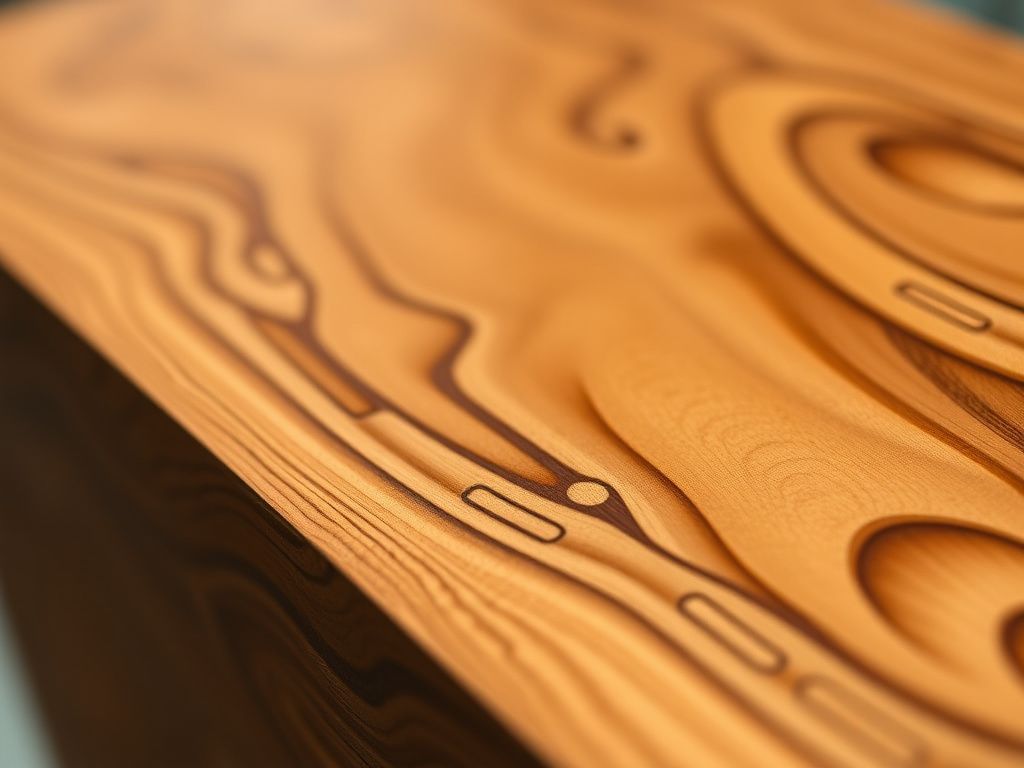
Laser Patterns Wood Furniture offers a unique way to add intricate, personalized designs to your pieces. Whether you’re a furniture manufacturer or a DIY enthusiast, laser technology allows for precision and creativity that traditional methods can’t match. By using a laser cutter, you can etch or cut detailed patterns into wood surfaces, creating everything from delicate floral motifs to geometric abstractions. This technique not only enhances aesthetic appeal but also adds value to your furniture.
One of the biggest advantages is the ability to customize each piece. With laser patterns wood furniture, you can easily replicate designs or create one-of-a-kind items. The process is fast, accurate, and reduces material waste compared to manual carving. Plus, it works on various wood types, including hardwood, plywood, and MDF, making it versatile for different projects.
If you’re new to Laser Cutting, it’s helpful to start with simple patterns and gradually explore complex designs. The key is to choose the right wood and laser settings to achieve clean cuts and crisp engravings. For more on precision, check out our guide on laser cutting precision factors.
Designing Laser Patterns for Wood Furniture
Choosing the Right Pattern
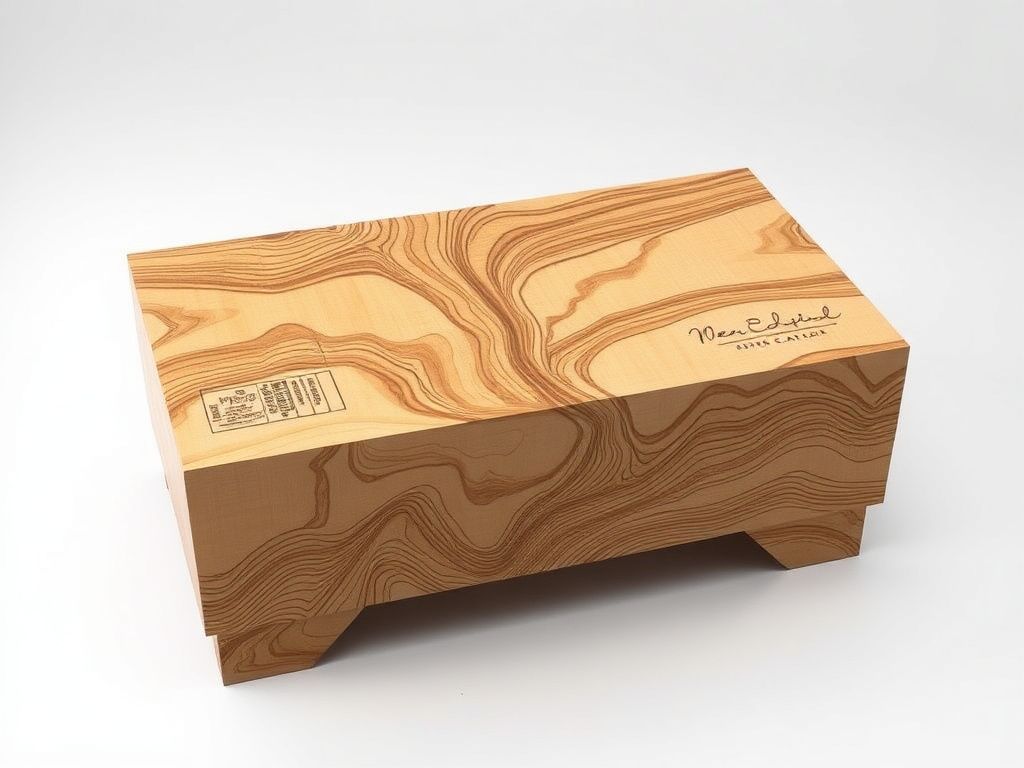
When creating laser patterns wood furniture, the design is crucial. Popular motifs include nature-inspired elements like leaves and vines, as well as modern geometric shapes. You can also incorporate cultural patterns or custom logos for branding. The pattern should complement the furniture’s style—for instance, ornate scrolls work well on classic pieces, while clean lines suit contemporary designs.
Consider the scale and placement of the pattern. A large, bold pattern can become a focal point, while subtle, repeating patterns add texture. Also, think about how the pattern interacts with the wood grain. Aligning the design with the grain can enhance the natural beauty, while contrasting it creates visual interest.
Preparing Your Design File
To achieve the best results, use vector files like SVG or DXF. These formats allow precise control over lines and shapes. If you’re designing from scratch, software like Adobe Illustrator or Inkscape is ideal. Alternatively, you can find ready-made patterns online. Remember to adjust the line thickness and spacing for laser cutting—thin lines may burn away, while thick lines can cause excessive charring.
For a comprehensive guide on file preparation, read our article on vector files for laser cutting. It covers everything from scaling to kerf compensation.
Techniques for Laser Engraving and Cutting Patterns
Engraving vs. Cutting
Laser patterns wood furniture can be achieved through two main techniques: engraving and cutting. Engraving removes a thin layer of wood to create a recessed design, while cutting goes all the way through the material. Engraving is perfect for surface details like decorative motifs, while cutting is used for open patterns or intricate fretwork.
For a mixed effect, you can combine both techniques in one design. For example, engrave a border pattern and cut out a central shape. This adds depth and dimension to your furniture.
Laser Settings for Wood
Different wood types require specific laser settings. Hardwoods like oak need higher power and slower speeds, while softer woods like pine require lower power to prevent burning. Always test on a scrap piece first. Key parameters include power (watts), speed (mm/s), and frequency (Hz). For engraving, use lower power and higher speed; for cutting, increase power and reduce speed.
Also, consider the kerf width—the material removed by the laser. This is important for tight-fitting joints. Our guide on kerf width in laser cutting explains how to account for it in your designs.
Benefits of Laser Patterns in Furniture Manufacturing
Incorporating laser patterns wood furniture into your production line offers several advantages. First, it allows for high repeatability—once a design is programmed, you can produce identical pieces consistently. Second, it reduces labor costs compared to hand-carving. Third, it opens up new design possibilities that are difficult or impossible with traditional tools.
Moreover, laser patterns can enhance the perceived value of furniture. A simple table or cabinet becomes a work of art with an intricate Laser-Cut design. This can justify a higher price point and attract customers looking for unique, custom pieces.
If you’re interested in modernizing traditional designs, check out our article on modernizing traditional furniture designs with lasers.
Maintenance and Finishing Tips
After laser processing, your wood furniture may have slight charring or residue. Light sanding with fine-grit sandpaper can remove this. For a clean look, you can apply a clear coat or stain. Avoid using oil-based finishes immediately, as they can react with the burnt edges. Instead, use water-based sealants.
To protect the laser patterns, consider adding a topcoat of polyurethane or lacquer. This will preserve the design and make the furniture more durable. Regular dusting and avoiding harsh chemicals will keep the patterns looking new for years.
Ready to start your project? Contact us today for custom laser cutting services and bring your vision to life with precision laser patterns wood furniture.