 Laser Patterns Wood Furniture: Enhancing Design
Laser Patterns Wood Furniture: A New Paradigm in Craftsmanship
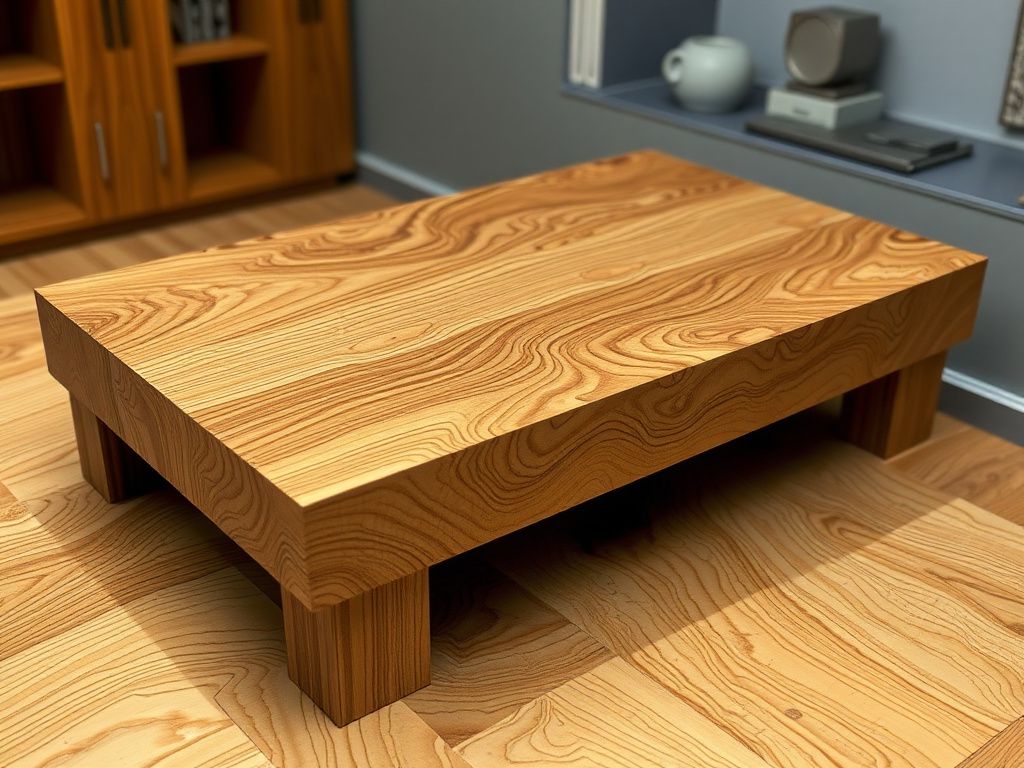
Laser Patterns Wood Furniture represents a transformative approach to furniture design, merging traditional woodworking with cutting-edge laser technology. This method allows for intricate, repeatable patterns that were previously impossible or prohibitively expensive to achieve by hand. By leveraging the precision of <a href="https://laser.net.tr/factors-affect-laser-cutting-precision/" title="Laser Cutting Precision: 7 Key Factors That Affect”>Laser Cutting and engraving, artisans can create bespoke pieces that stand out in both residential and commercial spaces. The integration of laser technology not only enhances aesthetic appeal but also adds functional value, such as texture and depth, to wooden surfaces.
In recent years, the demand for customized furniture has surged, driven by consumers seeking unique, personalized items. Laser patterns wood furniture meets this demand by offering unparalleled design flexibility. From geometric motifs to organic, flowing designs, the possibilities are virtually limitless. This article explores the techniques, benefits, and considerations for incorporating laser patterns into wood furniture, providing a comprehensive guide for manufacturers and designers.
Understanding the fundamentals of Laser Cutting Technology is essential for achieving optimal results. The process involves using a focused laser beam to cut or engrave wood, with parameters such as power, speed, and focus affecting the final outcome. By mastering these variables, craftsmen can produce clean, precise patterns that enhance the natural beauty of the wood.
Key Techniques for Creating Laser Patterns on Wood

Laser Engraving vs. Laser Cutting
When applying laser patterns to wood furniture, two primary techniques are used: laser engraving and laser cutting. Laser engraving removes a thin layer of wood to create a pattern on the surface, ideal for detailed designs that do not require full penetration. Laser cutting, on the other hand, cuts through the wood entirely, allowing for freestanding or inlaid patterns. Both methods can be combined to achieve striking effects, such as engraved backgrounds with cut-out elements.
Design Considerations for Wood Types
The type of wood significantly influences the quality of laser patterns. Hardwoods like oak, maple, and walnut produce crisp, clean cuts and engravings due to their density, while softwoods like pine may char more easily. Exotic woods offer unique grain patterns that interact with the laser to create one-of-a-kind textures. It is crucial to test different woods and adjust laser settings accordingly. For instance, Laser Cutting Material Usage guidelines can help optimize efficiency and minimize waste.
Benefits of Laser Patterns in Furniture Design
Precision and Repeatability
One of the most significant advantages of laser patterns wood furniture is the ability to produce identical, high-precision patterns across multiple pieces. This repeatability is essential for commercial production, ensuring consistency in design. Laser technology achieves tolerances within fractions of a millimeter, far surpassing traditional hand-carving methods. The Laser Cutting Precision is influenced by factors such as lens quality, beam alignment, and material stability.
Design Complexity and Customization
Laser patterns enable the creation of highly complex designs that would be impractical to carve by hand. Intricate filigree, latticework, and 3D effects can be achieved with ease. Moreover, each piece can be easily customized by modifying the digital design file, allowing for personalized furniture without the need for retooling. This flexibility is particularly valuable for Laser Cutting Small Batch Production, where customization is key.
Avoiding Common Mistakes in Laser Pattern Design
Kerf Width and Fit
A critical factor in laser cutting wood is kerf width—the material removed by the laser beam. For patterns that require tight fits, such as inlays or interlocking joints, accounting for kerf is essential. Ignoring kerf can result in parts that are too loose or too tight. A comprehensive understanding of Kerf Width Laser Cutting helps in designing accurate patterns.
Burn Marks and Charring
Wood, being an organic material, is prone to burn marks during laser processing. Factors such as high power, slow speed, or improper focus can cause excessive charring. Using masking tape, applying a damp cloth, or optimizing gas assistance can mitigate this issue. Additionally, selecting the right Laser Design Mistakes to avoid includes ensuring proper ventilation and cooling.
In summary, laser patterns wood furniture offers a wealth of opportunities for innovation in design and manufacturing. By understanding the techniques, benefits, and pitfalls, professionals can harness this technology to create stunning, durable pieces that captivate consumers. Explore the possibilities of laser-patterned furniture for your next project and elevate your craftsmanship to new heights. For more insights, browse our collection of Durable Materials Outdoor Signs for inspiration on material selection.