 Customizing Modular Furniture with Laser Cutting: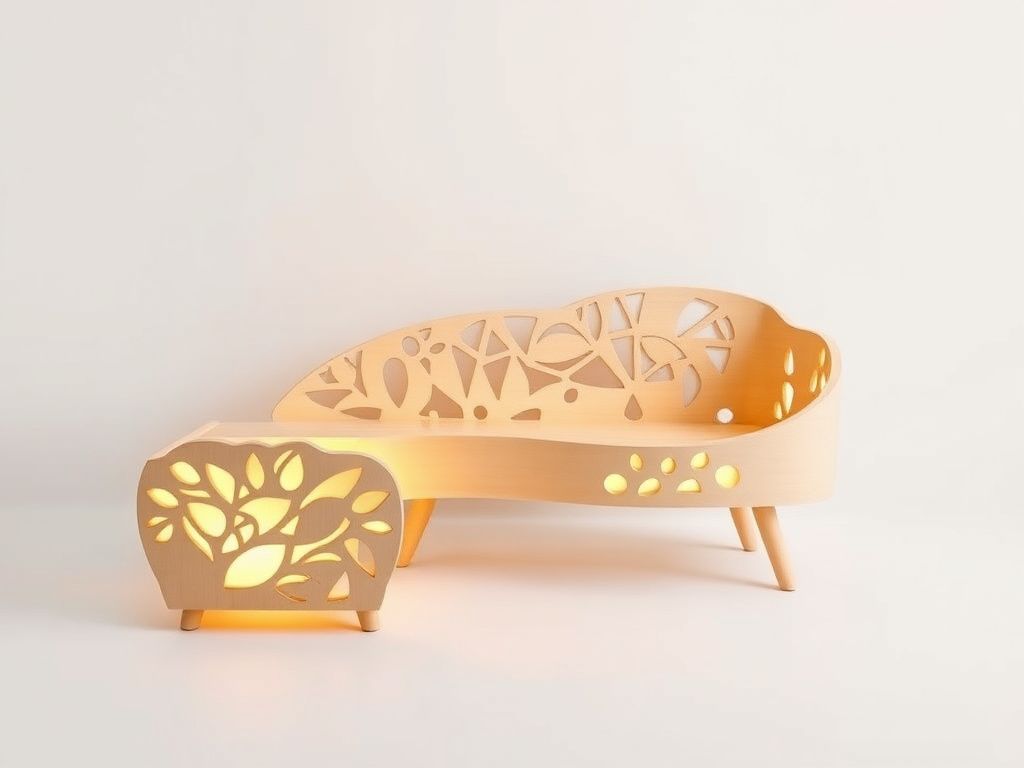
Customizing Modular Furniture with Laser Cutting: The Ultimate Guide
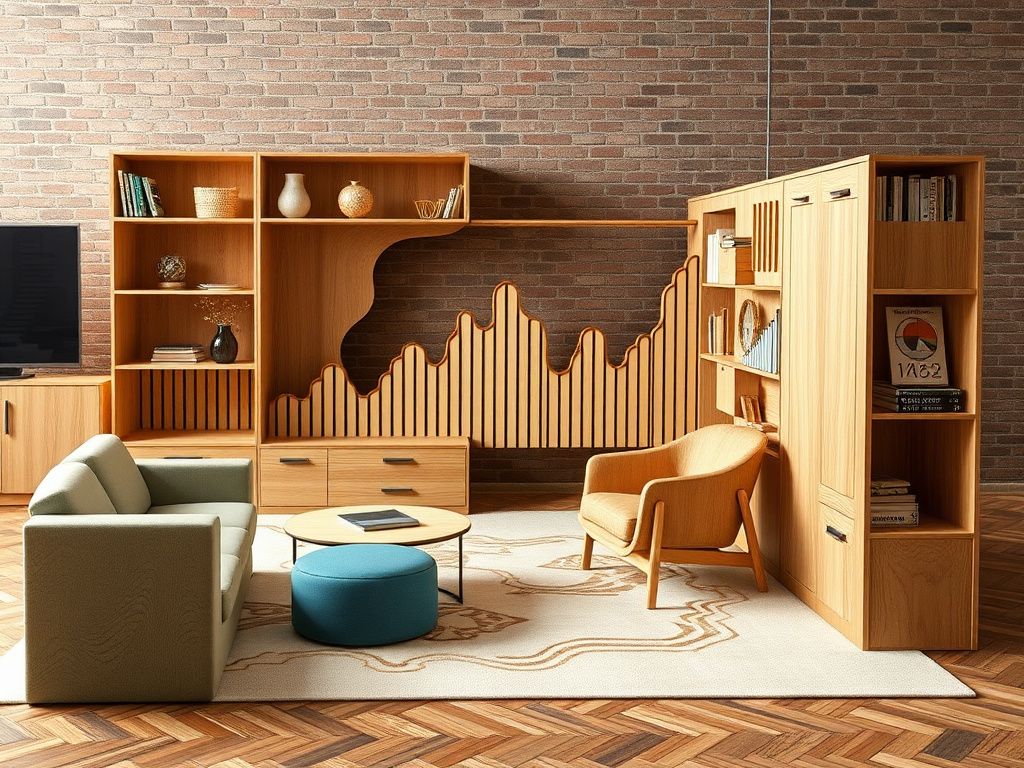
Customizing Modular Furniture with Laser Cutting has become a game-changer for homeowners and designers who want pieces that reflect their personal style. Imagine being able to transform a simple shelving unit into a stunning focal point with intricate patterns, or adding a monogram to a modular desk that makes it unmistakably yours. This technology offers an extraordinary level of precision and flexibility, allowing you to create furniture that is both functional and artistic. In this comprehensive guide, we’ll explore how laser cutting can elevate your modular furniture projects, from material selection to design inspiration.
Whether you’re a DIY enthusiast or a professional furniture maker, the ability to customize modular pieces means you can adapt your furniture to changing needs and tastes. Laser cutting enables you to add decorative elements, personalize surfaces, and even create custom joinery for a perfect fit. With the right approach, you can achieve results that look like they came from a high-end boutique. Let’s dive into the key aspects of this exciting process.
Why Choose Laser Cutting for Modular Furniture Customization?
Unmatched Precision and Detail
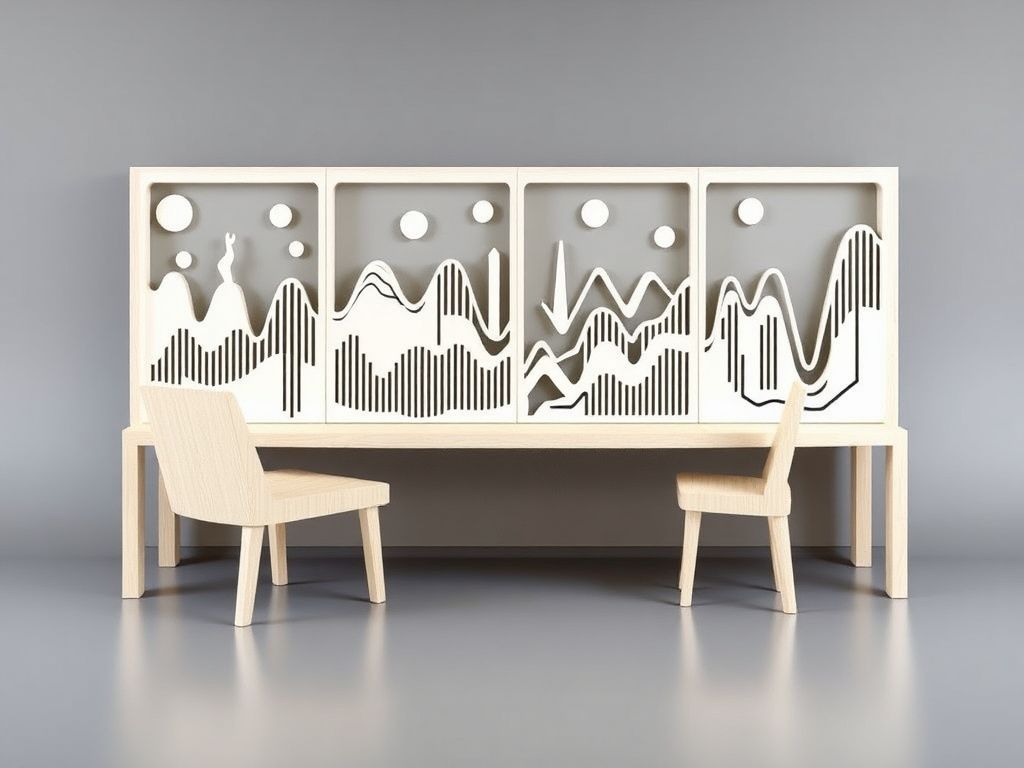
Laser cutting offers remarkable accuracy, with tolerances as tight as a fraction of a millimeter. This precision is crucial when creating interlocking parts for modular furniture, ensuring that each piece fits seamlessly. For instance, when designing a modular shelving system, you can cut exact slots and tabs that allow components to snap together without additional hardware. This not only speeds up assembly but also enhances the overall strength of the structure.
Versatility in Materials
Laser cutters can work with a wide range of materials, including wood, acrylic, metal, and even fabric. This versatility means you can customize modular furniture made from plywood, MDF, solid wood, or metal frames. Each material offers unique aesthetic and functional properties. For example, Durability of Laser-Cut Metal Frames in furniture makes them ideal for heavy-use items like bed frames or industrial-style shelving. On the other hand, wood provides a warm, natural look that can be enhanced with intricate laser-cut designs.
Design Ideas for Customizing Modular Furniture with Laser Cutting
Intricate Patterns and Textures
One of the most popular ways to customize modular furniture is by adding laser-cut patterns to surfaces. You can create geometric designs, floral motifs, or abstract art that turns a plain cabinet door into a work of art. For example, a laser-cut pattern on the front of a modular drawer unit can add visual interest and make the piece stand out. When working with wood, consider Laser Patterns Wood Furniture: Enhancing Design for inspiration on achieving stunning results.
Personalized Monograms and Logos
Adding a monogram, family crest, or company logo to modular furniture is a fantastic way to personalize it. Laser cutting can produce crisp, clean lettering and intricate logos on various materials. For instance, a custom laser-cut nameplate on a modular desk can give it a professional, bespoke feel. This technique is also popular for creating unique gifts or branded office furniture.
Functional Enhancements
Laser cutting isn’t just about aesthetics; it can also improve functionality. You can cut precise holes for cable management in a modular desk, create ventilation slots in a cabinet, or design custom handles and pulls. Additionally, laser-cut joinery like finger joints or dovetails can make assembly easier and more durable. The precision of laser cutting ensures that these functional elements work exactly as intended.
Materials Best Suited for Laser-Cut Modular Furniture
Wood and Plywood
Wood is a classic choice for modular furniture, and laser cutting enhances its natural beauty. Plywood, in particular, is excellent because it is stable and comes in various thicknesses. Laser cutting can create clean edges without splintering, and the cut lines can be left natural or painted. For a more refined look, consider using hardwood like oak or walnut, which engrave beautifully.
Acrylic
Acrylic offers a modern, sleek appearance and is available in a rainbow of colors. It is lightweight, durable, and easy to cut. Acrylic panels can be used as drawer fronts, shelf inserts, or decorative overlays. The material also allows for backlighting, creating stunning illuminated effects. For tips on working with this material, check out acrylic best material laser cutting: precision & quality.
Metal
Metal, such as steel or aluminum, is perfect for industrial-style modular furniture. Laser cutting can produce intricate patterns in metal sheets that are then used as paneling, table tops, or structural components. The strength of metal makes it ideal for load-bearing parts. To ensure longevity, proper finishing like powder coating is recommended.
Step-by-Step Process for Customizing Modular Furniture
1. Design Your Pattern
Start by creating a digital design using vector software like Adobe Illustrator or Inkscape. Consider the dimensions of your furniture piece and how the pattern will integrate with its function. For example, if you’re customizing a cabinet door, ensure the design doesn’t interfere with hinges or handles. You can also use pre-made templates available online.
2. Prepare the Material
Select the material for your project and prepare it by cleaning the surface and ensuring it is flat. For wood, sanding may be necessary to achieve a smooth finish. For acrylic, remove the protective film before cutting. Proper material preparation is key to achieving clean cuts.
3. Set Up the Laser Cutter
Configure the laser cutter according to the material type and thickness. Adjust power, speed, and frequency settings. Perform a test cut on a scrap piece to fine-tune parameters. Understanding laser cutting precision: 7 key factors that affect can help you optimize results.
4. Cut and Assemble
Run the laser cutting job, then carefully remove the cut pieces. Clean any residue or burrs. Assemble your modular furniture component, ensuring all parts fit correctly. If you designed interlocking joints, they should click together securely. Finally, apply any finishes like paint, stain, or sealant.
Common Mistakes to Avoid
Overcomplicating the Design
It’s tempting to add many intricate details, but overly complex designs can weaken the structure or be difficult to cut. Keep the design balanced and consider the material’s strength. For example, very thin cutouts in wood may break during assembly.
Ignoring Kerf Width
Every laser cut removes a small amount of material, known as kerf. If you are designing interlocking parts, you must account for kerf width to ensure a snug fit. Failing to do so can result in loose joints or parts that don’t fit.
Skipping Test Cuts
Always perform test cuts on scrap material before cutting the final piece. This helps you verify settings and design accuracy. It also allows you to see how the material reacts to laser cutting.
Inspiration for Your Next Project
Imagine a modular bookshelf where each shelf has a laser-cut pattern that casts beautiful shadows on the wall. Or a modular wardrobe with doors featuring delicate floral designs that add a touch of nature to your bedroom. For a home office, a modular desk with a laser-cut cable management system and personalized nameplate can boost productivity and style. The possibilities are truly endless.
Whether you want to create a statement piece or subtle accents, customizing modular furniture with laser cutting gives you the power to express your creativity. Start with a simple project like a laser-cut drawer front, and gradually take on more complex designs. With practice, you’ll be able to transform any modular furniture into a unique masterpiece.
Ready to bring your vision to life? Explore our range of laser cutting services and get started on your custom modular furniture project today. Contact us for a quote and let’s create something amazing together!