 Modernizing Traditional Furniture Designs with Lasers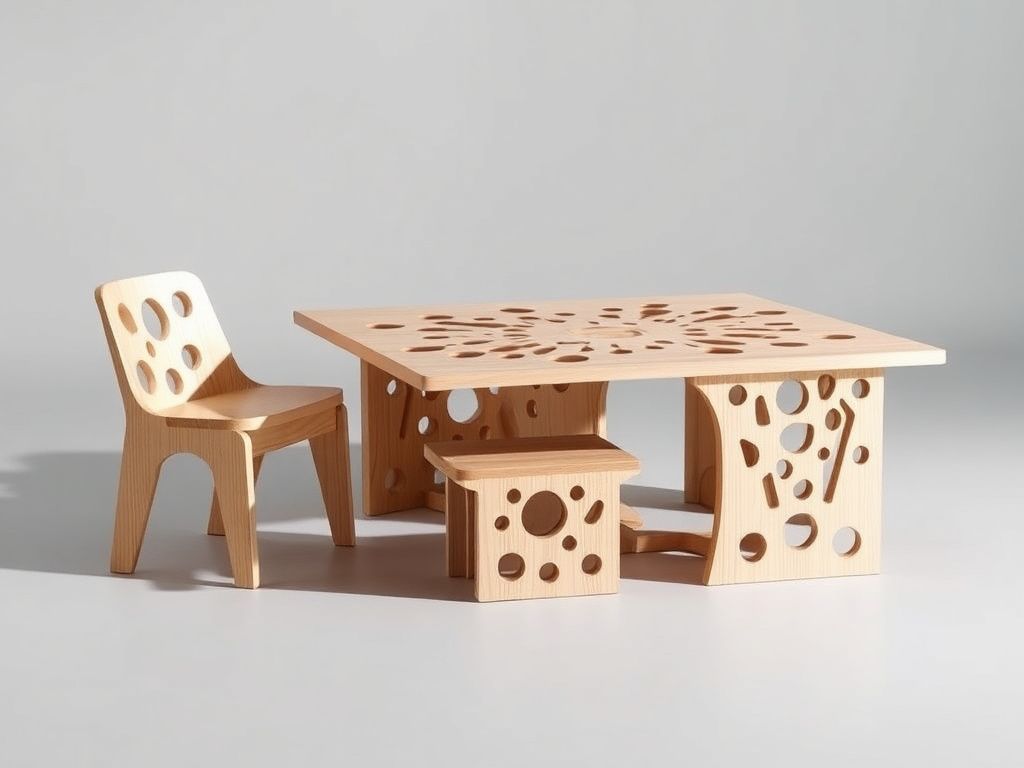
Introduction to Modernizing Traditional Furniture Designs with Lasers
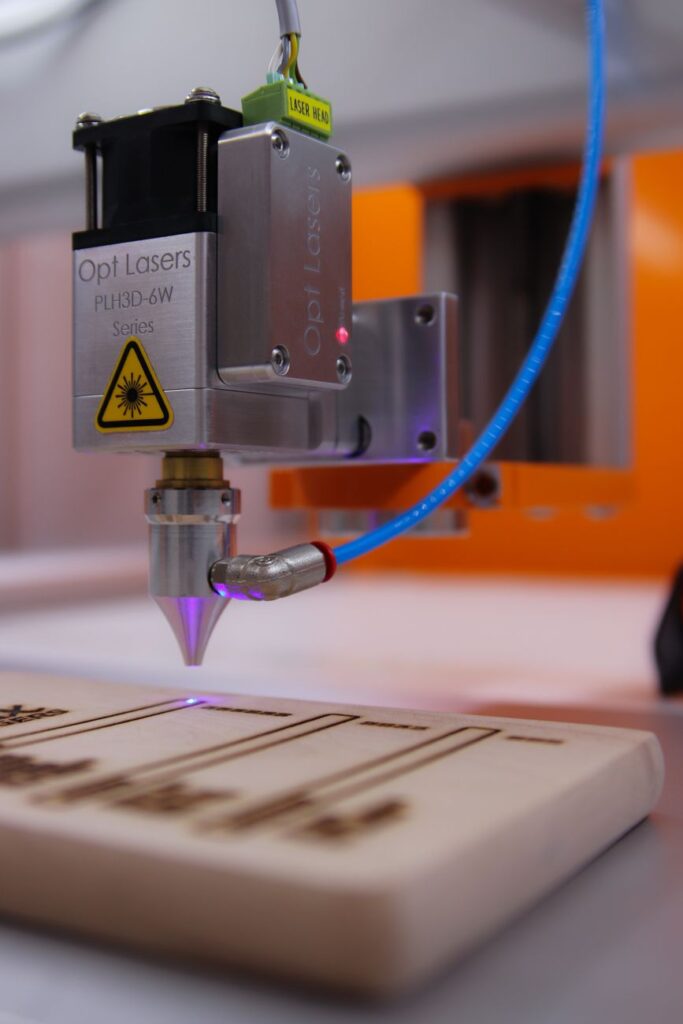
modernizing traditional furniture designs with lasers represents a paradigm shift in how artisans and manufacturers approach age-old craftsmanship. By integrating laser cutting technology, furniture makers can achieve unprecedented precision, repeatability, and design complexity while preserving the aesthetic essence of classic styles. This academic exploration delves into the technical, aesthetic, and sustainable benefits of laser-based techniques in furniture manufacturing.
The convergence of digital fabrication and traditional woodworking has opened new avenues for creativity. Lasers enable intricate joinery, detailed inlays, and custom patterns that were previously labor-intensive or impossible to produce consistently. As the industry evolves, understanding the principles and applications of laser technology becomes essential for designers, engineers, and entrepreneurs seeking to stay competitive.
The Role of Laser Precision in Traditional Joinery
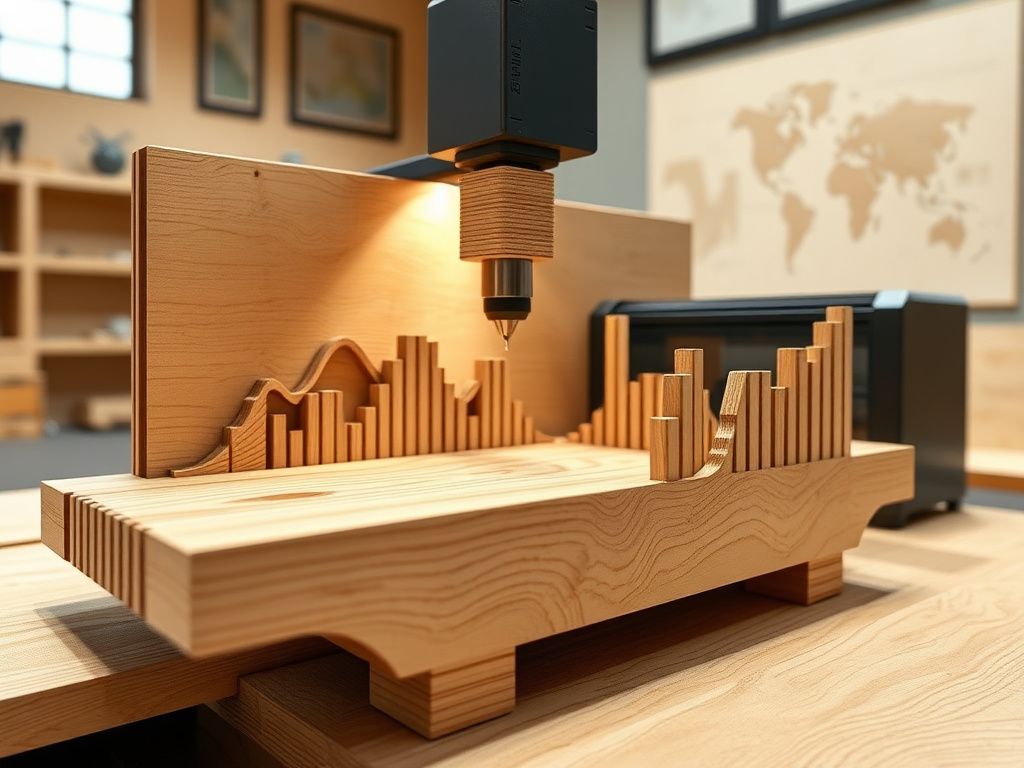
One of the cornerstones of modernizing traditional furniture designs with lasers is the application of laser-cut joints. Unlike conventional methods that rely on manual cutting and assembly, laser cutting delivers micron-level accuracy, ensuring tight fits and structural integrity. For instance, laser-cut joints for flat-pack furniture exemplify how this technology simplifies production while maintaining durability.
Enhancing Joint Strength and Aesthetics
Laser-cut joints, such as dovetails, finger joints, and mortise-and-tenon, can be optimized for both strength and appearance. The heat-affected zone is minimal, preserving the wood’s natural properties. Moreover, designers can create complex interlocking geometries that reduce the need for adhesives or fasteners, resulting in cleaner lines and easier assembly.
Customization and Scalability
Traditional joinery often requires skilled labor and significant time investment. Laser cutting democratizes access to high-quality joints by automating the process. Small batches and custom orders become economically viable, allowing artisans to offer personalized furniture without sacrificing quality.
Laser Inlays: Reviving Ornamental Traditions
Inlay work has long been a hallmark of fine furniture, but traditional methods are labor-intensive and error-prone. Unique Furniture inlays created with laser precision enable intricate patterns, logos, and decorative motifs to be embedded seamlessly into wood surfaces. This technique preserves the elegance of marquetry while dramatically reducing production time.
Material Versatility and Design Freedom
Lasers can cut inlay components from various materials—wood veneers, acrylic, metals, or stone—with exacting tolerances. Designers can experiment with contrasting colors and textures, creating visually striking pieces that honor traditional aesthetics yet feel contemporary. The ability to digitally design and iterate inlays accelerates the prototyping phase.
Precision Fit and Longevity
The kerf width of a laser cut is predictable and uniform, ensuring that inlay pieces fit snugly without gaps. This precision reduces the need for fillers and sanding, resulting in a flawless finish. Additionally, laser-cut inlays are less prone to loosening over time compared to hand-cut alternatives.
Sustainable Practices Through Laser Technology
Modernizing traditional furniture designs with lasers inherently supports sustainability. Laser cutting optimizes material usage by nesting parts efficiently, minimizing waste. Sustainable furniture design with laser cuts emphasizes resource conservation and the use of eco-friendly materials. Moreover, the energy efficiency of modern laser systems reduces the carbon footprint of production.
Reducing Material Waste
Traditional sawing creates significant kerf waste, while laser cutting produces narrow, precise cuts. By utilizing software for optimal nesting, manufacturers can achieve material utilization rates exceeding 90%. Scrap pieces can be repurposed for smaller components or artistic applications.
Enabling Repair and Disassembly
Laser-cut joints and inlays facilitate easier disassembly, extending product lifespan. Furniture can be repaired by replacing individual components rather than discarding entire pieces. This modularity aligns with circular economy principles and reduces landfill burden.
Customization in Modular Furniture Systems
The demand for personalized furniture has surged, and laser cutting is at the forefront of this trend. Customizing modular furniture with laser cutting allows consumers to select patterns, finishes, and configurations that reflect their style. Manufacturers can produce unique pieces without retooling, thanks to the flexibility of digital files.
On-Demand Production and Inventory Reduction
Laser cutting supports just-in-time manufacturing, where components are cut only when ordered. This eliminates the need for large inventories and reduces storage costs. Customization becomes a seamless part of the supply chain, enhancing customer satisfaction.
Integration with Smart Design Tools
Advanced CAD/CAM software enables designers to create parametric models that adjust automatically to user preferences. These files can be sent directly to laser cutters, streamlining the workflow from concept to finished product.
Durability and Material Considerations
While laser cutting offers many advantages, material selection is critical for durability. Durability of laser-cut metal frames in furniture demonstrates that metals like steel and aluminum can be precisely cut for structural components. For wood, laser engraving and cutting can actually strengthen edges by sealing them with a thin layer of char, which resists moisture and wear.
Surface Finishing and Protective Coatings
Laser-cut edges may require post-processing to achieve a polished look. Techniques such as sanding, oiling, or applying clear coats enhance longevity. For outdoor furniture, laser-cut parts can be treated with UV-resistant finishes.
Testing and Quality Assurance
Manufacturers should conduct rigorous testing on laser-cut components, including load-bearing tests and environmental exposure simulations. The consistency of laser cutting facilitates reliable quality control, ensuring that each piece meets design specifications.
Conclusion: Embracing Laser Technology for Future Craftsmanship
Modernizing traditional furniture designs with lasers is not about replacing heritage but augmenting it with digital precision. The technology empowers artisans to push boundaries while honoring time-honored aesthetics. As laser cutting continues to evolve, its integration into furniture manufacturing will deepen, offering new possibilities for design, sustainability, and customization. For professionals seeking to elevate their craft, exploring laser-based methods is an investment in innovation. Discover how laser technology can transform your next project by leveraging the expertise and resources available in the field.