 laser-cut joints flat-pack furniture: Laser-Cut Joints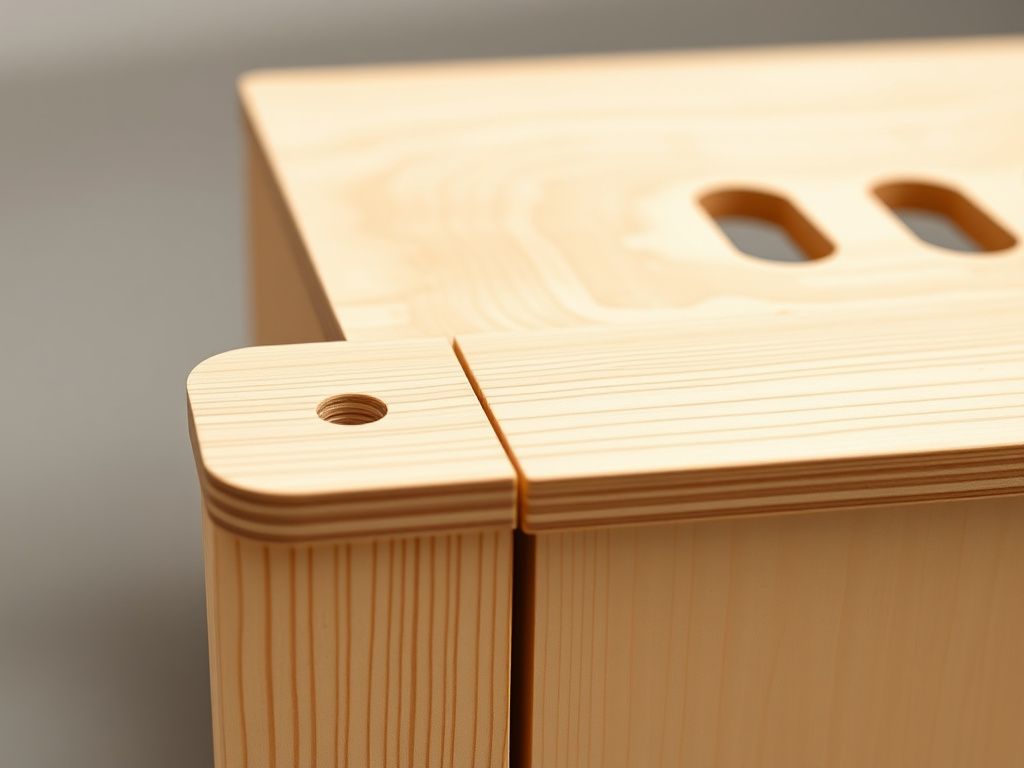
Introduction to Laser-Cut Joints in Flat-Pack Furniture
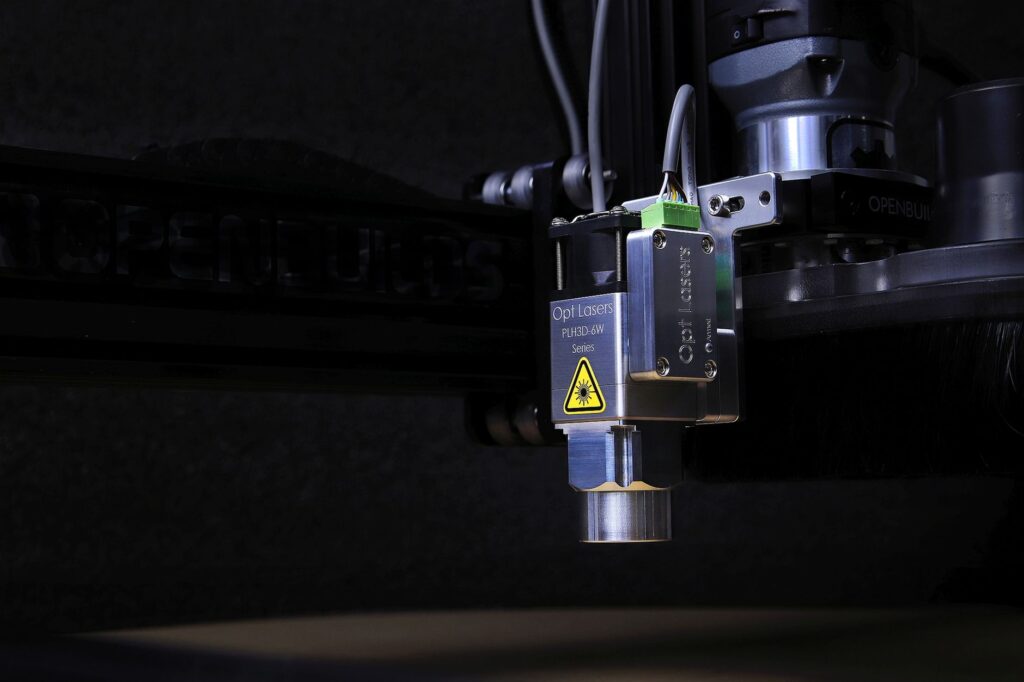
Laser-cut joints in flat-pack furniture represent a transformative advancement in modern furniture manufacturing. By leveraging the extraordinary precision of laser technology, manufacturers can create interlocking joints that eliminate the need for traditional fasteners like screws, nails, or glue. This not only simplifies assembly but also enhances the structural integrity and aesthetic appeal of the final product. In an industry where efficiency, sustainability, and design excellence are paramount, laser-cut joints offer a proven solution that addresses the evolving demands of both producers and consumers.
Flat-pack furniture has long been popular for its cost-effectiveness and space-saving shipping. However, traditional assembly methods often involve complex instructions, loose hardware, and frustrating alignment issues. Laser-cut joints solve these problems by ensuring that every piece fits together perfectly, reducing assembly time and minimizing errors. This innovation is not just a convenience—it’s a game-changer for furniture design and manufacturing.
Throughout this article, we will explore the numerous advantages of laser-cut joints in flat-pack furniture, from enhanced precision and strength to sustainability and design flexibility. Whether you are a furniture manufacturer looking to optimize production or a consumer seeking durable and easy-to-assemble pieces, understanding these benefits will help you appreciate the value of laser technology in the furniture industry.
Precision and Fit: The Hallmark of Laser-Cut Joints
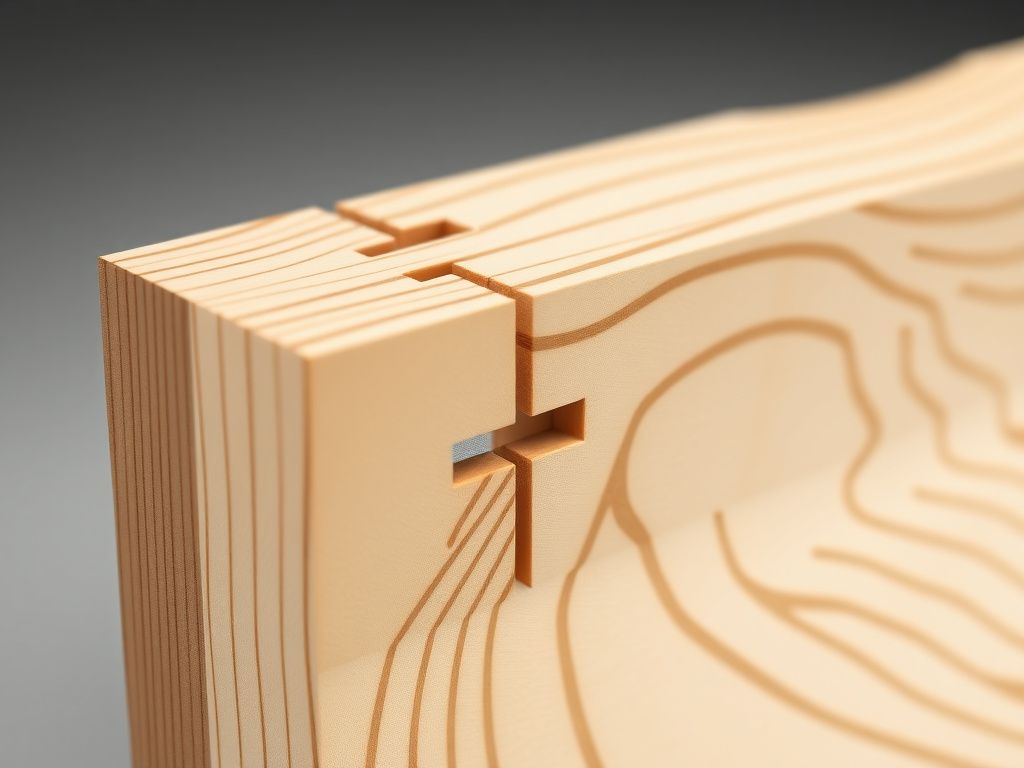
One of the most significant advantages of laser-cut joints in flat-pack furniture is the exceptional precision they offer. Laser cutting machines can achieve tolerances as tight as ±0.1 mm, ensuring that each joint fits together with near-perfect alignment. This level of accuracy is impossible to achieve with traditional mechanical cutting methods, which often result in slight variations that compromise the fit and stability of the furniture.
How Laser Precision Improves Assembly
When joints are cut with laser precision, assembly becomes intuitive and hassle-free. Pieces click together effortlessly, reducing the need for force or adjustments. This is particularly beneficial for flat-pack furniture, where end-users often assemble the products at home. Clear instructions and perfectly fitting joints lead to a satisfying experience, reducing the likelihood of returns or complaints. Moreover, the consistent quality of laser-cut joints means that every unit produced meets the same high standards, building brand trust and customer loyalty.
Design Flexibility with Laser-Cut Joints
Laser cutting allows for intricate joint designs that would be difficult or impossible to achieve with traditional tools. For example, dovetail, finger, and box joints can be easily customized to create unique interlocking patterns that add both strength and visual interest. This flexibility enables designers to experiment with new forms and functions, pushing the boundaries of flat-pack furniture aesthetics. By incorporating laser-cut joints, manufacturers can offer products that stand out in a crowded market. For more on how laser patterns enhance wood furniture design, see Laser Patterns Wood Furniture: Enhancing Design.
Strength and Durability: Built to Last
Contrary to the misconception that interlocking joints are weaker than traditional fasteners, laser-cut joints in flat-pack furniture often provide superior strength and durability. The precise fit distributes stress evenly across the joint, reducing the risk of loosening over time. Additionally, many laser-cut joints are designed to be self-locking, meaning they become tighter under load, enhancing the overall stability of the furniture.
Material Integrity and Joint Strength
Laser cutting does not exert mechanical force on the material, eliminating the risk of micro-cracks or deformation that can occur with sawing or drilling. This preserves the material’s integrity, resulting in stronger joints. Furthermore, the heat-affected zone in laser cutting is minimal, especially with modern fiber lasers, ensuring that the edges remain clean and free from charring. This is particularly important for materials like plywood and MDF, which are commonly used in flat-pack furniture. The result is a joint that can withstand daily use and maintain its structural integrity for years.
Long-Term Performance and Reliability
Because laser-cut joints do not rely on adhesives or mechanical fasteners that can degrade or corrode, the furniture remains stable over time. This makes laser-cut flat-pack furniture an excellent choice for long-term use. Additionally, the precision of the joint ensures that components can be disassembled and reassembled multiple times without losing fit, a key advantage for people who move frequently or like to reconfigure their spaces. For insights into the durability of laser-cut metal frames, refer to Durability of Laser-Cut Metal Frames in Furniture.
Sustainability and Material Efficiency
In today’s environmentally conscious market, sustainability is a critical factor in furniture manufacturing. Laser-cut joints contribute to sustainability in several ways. First, the precision of laser cutting minimizes material waste by optimizing the nesting of parts on a sheet. This reduces the amount of raw material needed and lowers the environmental footprint of production. Second, the elimination of hardware such as screws, nails, and glue means fewer non-recyclable components are used, making the furniture easier to recycle at the end of its life.
Reducing Waste Through Precision Nesting
Advanced laser cutting software can arrange parts in a way that maximizes material utilization, often achieving over 90% efficiency. This is a significant improvement over traditional cutting methods, which typically have lower yield rates. By reducing scrap, manufacturers can lower costs and decrease the environmental impact of their operations. Additionally, the ability to cut intricate joint shapes without additional tooling means that design changes can be implemented quickly without generating unnecessary waste.
Eco-Friendly Assembly and Disassembly
Flat-pack furniture with laser-cut joints can be assembled without adhesives or disposable fasteners, making it easier to repair, refurbish, or recycle. This aligns with the principles of the circular economy, where products are designed for longevity and minimal environmental impact. Consumers increasingly seek out sustainable options, and furniture featuring laser-cut joints can be marketed as an eco-friendly choice. To learn more about sustainable furniture design with laser precision, visit Sustainable Furniture Design: Laser Precision for Furniture Manufacturing.
Cost-Effectiveness and Production Efficiency
While the initial investment in laser cutting equipment may be higher than traditional tools, the long-term cost benefits are substantial. Laser-cut joints in flat-pack furniture reduce production time, labor costs, and material waste, leading to a lower overall cost per unit. Moreover, the consistency of laser cutting minimizes the need for quality control inspections and rework, further streamlining the manufacturing process.
Streamlined Manufacturing Workflow
Laser cutting is a non-contact process that can be fully automated, allowing for continuous production with minimal operator intervention. This increases throughput and reduces the likelihood of human error. Additionally, because laser-cut joints are designed to be self-aligning, the assembly process requires less time and skill, enabling manufacturers to train workers quickly and reduce labor costs. For small-batch production, laser cutting offers flexibility without the need for expensive tooling changes, making it ideal for custom or limited-edition furniture pieces. Check out Laser Cutting Small Batch Production: Key Benefits for more details.
Reduced Inventory and Logistics Costs
With laser-cut joints, furniture can be designed to be shipped flat and assembled on-site without additional hardware. This reduces the weight and volume of packaging, lowering shipping costs and storage space requirements. Furthermore, the elimination of separate hardware bags simplifies inventory management and reduces the risk of missing parts. These efficiencies translate into significant savings for manufacturers and ultimately more affordable products for consumers.
Design Innovation and Customization
Laser-cut joints open up new possibilities for design innovation in flat-pack furniture. Designers can create complex geometries and decorative joints that enhance the visual appeal of the furniture. Customization becomes easier, as laser cutting allows for rapid prototyping and small production runs without the need for costly molds or dies. This enables manufacturers to offer personalized options to customers, such as engraved patterns or unique joint configurations.
Unique Furniture Inlays and Joint Aesthetics
Beyond functional joints, laser cutting can be used to create decorative inlays that complement the joint design. For example, a laser-cut dovetail joint can be paired with contrasting wood inlays to create a striking visual effect. This level of detail adds value to the furniture and allows it to be marketed as a premium product. To see how laser precision enables unique furniture inlays, explore Unique Furniture Inlays: Laser Precision for Custom Furniture Manufacturing.
Modular and Expandable Furniture Systems
Laser-cut joints are particularly well-suited for modular furniture systems, where components need to be interchangeable and easily reconfigured. The precision of the joints ensures that modules from different production batches fit together seamlessly, allowing customers to expand their furniture over time. This adaptability extends the lifespan of the furniture and reduces the need for replacement. For more on modular furniture customization, see Customizing Modular Furniture with Laser Cutting: Furniture Manufacturing.
Enhancing User Experience and Satisfaction
Ultimately, the success of flat-pack furniture depends on the user’s assembly experience. Laser-cut joints dramatically improve this experience by making assembly intuitive, quick, and frustration-free. Customers appreciate furniture that goes together smoothly without the need for special tools or expertise. This positive experience leads to higher satisfaction, positive reviews, and repeat purchases.
Furthermore, the clean, precise look of laser-cut joints adds a professional finish to the furniture, elevating its perceived quality. Even if the joints are hidden from view, the knowledge that the furniture is built with advanced technology gives consumers confidence in its durability. As a result, furniture featuring laser-cut joints can command a higher price point in the market.
In conclusion, the advantages of laser-cut joints in flat-pack furniture are clear: unmatched precision, superior strength, sustainability, cost-effectiveness, design flexibility, and enhanced user experience. As laser cutting technology continues to evolve, we can expect even more innovative applications in furniture manufacturing. For manufacturers considering adopting this technology, the benefits far outweigh the initial investment. Embrace the precision of laser-cut joints and transform your flat-pack furniture offerings today. Contact us to learn how laser cutting can elevate your furniture production.