 Unique Furniture Inlays: Laser Precision for Custom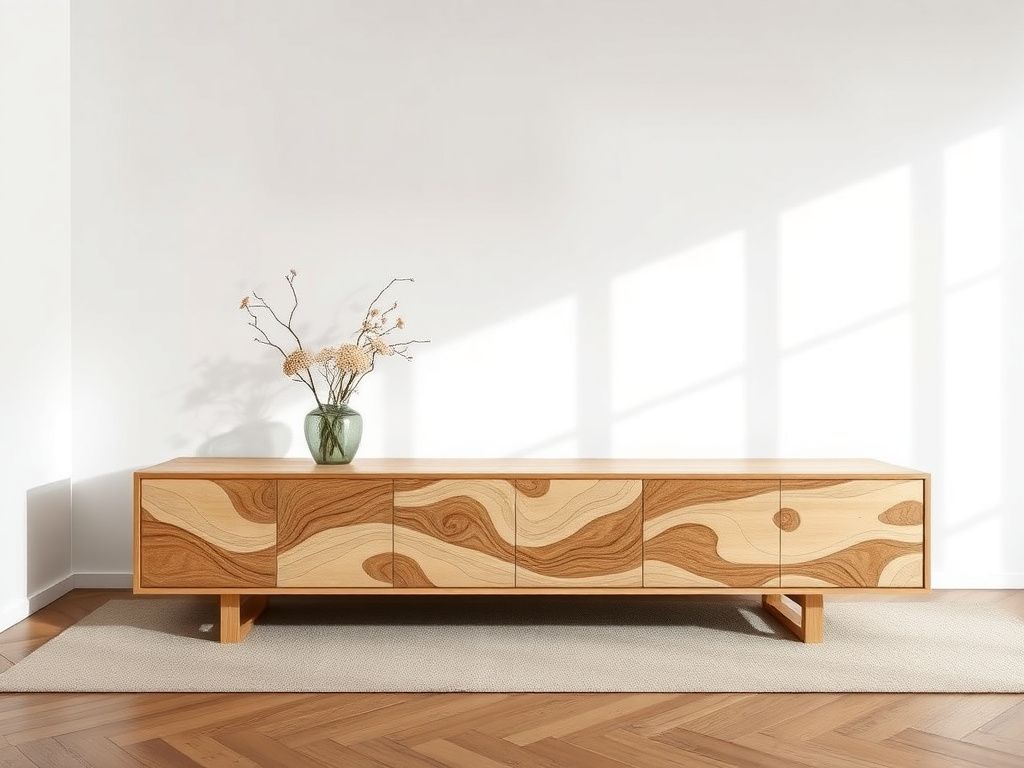
Creating Unique Furniture Inlays with Laser Technology

unique furniture inlays are revolutionizing the way we think about woodworking and design. Laser technology has opened up a world of possibilities for creating intricate, custom patterns that were once only achievable through painstaking handcrafting. By harnessing the precision of lasers, furniture manufacturers can now produce stunning inlays that elevate any piece from ordinary to extraordinary.
In this comprehensive guide, we’ll explore how laser cutting is used to create unique furniture inlays, the benefits of this technology, and practical tips for integrating it into your manufacturing process. Whether you’re a seasoned artisan or a modern manufacturer, understanding laser inlays can give your furniture a competitive edge.
What Are Unique Furniture Inlays?
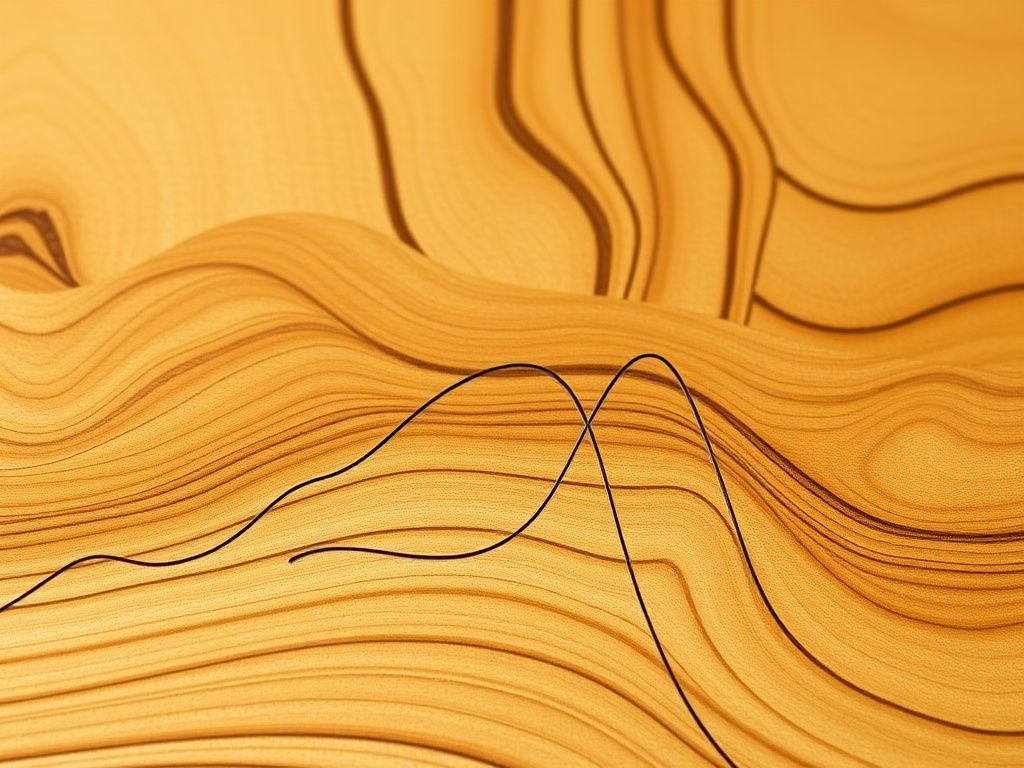
Inlays are decorative pieces of material set into a base surface to create patterns or images. Historically, inlays were made from wood veneers, metals, or stones, requiring skilled craftsmen to cut and fit each piece manually. Today, laser technology allows for the creation of unique furniture inlays with incredible accuracy and repeatability.
Unique furniture inlays refer to custom designs that are not mass-produced but tailored to specific aesthetic or functional requirements. Laser cutting enables the production of complex geometries, fine details, and perfect fits that are difficult to achieve with traditional methods.
Types of Materials Used for Laser Inlays
Laser cutting is compatible with a wide range of materials, making it ideal for inlays. Common choices include various hardwoods, plywood, acrylic, metals like brass or aluminum, and even stone or leather. Each material brings its own texture and color, allowing for striking contrasts and harmonious blends.
When selecting materials for unique furniture inlays, consider their laser compatibility and how they will interact with the base material. For example, laser patterns on wood furniture can be achieved with precision, ensuring the inlay fits seamlessly.
Benefits of Laser Technology for Inlays
Laser technology offers several advantages over traditional inlay techniques. First, precision is unmatched — lasers can cut with tolerances as tight as 0.1 mm, ensuring that inlay pieces fit perfectly into their recesses. This eliminates the need for sanding or adjustments, saving time and reducing waste.
Second, laser cutting is fast and efficient. Once a design is programmed, the laser can produce multiple identical pieces quickly, making it ideal for small batch production or custom orders. This speed allows manufacturers to offer unique furniture inlays without long lead times.
Third, lasers can cut intricate shapes that would be impossible with manual tools. From delicate filigree to complex geometric patterns, the possibilities are endless. This creative freedom enables designers to push the boundaries of furniture aesthetics.
Precision and Repeatability
One of the key factors affecting laser cutting precision is the kerf width — the material removed by the laser beam. Understanding kerf is essential for ensuring inlay pieces fit snugly. For a deeper dive, see our guide on kerf width in laser cutting.
By compensating for kerf in the design phase, manufacturers can achieve a perfect fit every time. This repeatability is crucial for producing multiple identical inlays, whether for a single piece of furniture or a series.
Designing Inlays for Laser Cutting
Creating unique furniture inlays starts with a digital design. Use vector graphics software like Adobe Illustrator or Inkscape to create your pattern. The design should account for the laser’s cutting path and the material’s properties.
When designing, consider the contrast between the inlay and base material. Dark woods paired with light metals or brightly colored acrylics can create dramatic effects. Also, think about the scale — inlays can range from small accent details to large surface patterns.
It’s important to avoid common laser design mistakes. For tips, check out our article on laser design mistakes to avoid.
Preparing Vector Files for Laser Inlays
Vector files are essential for laser cutting. They define the exact paths the laser will follow. Ensure your file uses clean lines, closed paths, and appropriate line colors (e.g., red for cutting, black for engraving). For a comprehensive guide, see vector file preparation for laser cutting.
Test your design on scrap material first to verify fit and aesthetics. Adjust kerf compensation as needed.
Manufacturing Process for Laser Inlays
The process of creating unique furniture inlays with laser technology involves several steps:
- Design: Create the inlay pattern and corresponding recess in the base material.
- Cutting: Use a laser cutter to cut the inlay pieces and the recess. The same laser can engrave depth markers or alignment guides.
- Assembly: Apply adhesive to the recess and press the inlay pieces in place. Use clamps or a vacuum press for even pressure.
- Finishing: Sand the surface flush and apply a finish (oil, lacquer, etc.) to protect the inlay and enhance colors.
Laser cutting can also be used to create textured surfaces or engraved details within the inlay itself, adding another layer of uniqueness.
Integrating Inlays into Furniture Manufacturing
Unique furniture inlays can be incorporated into various furniture types, from tabletops and cabinet doors to chair backs and headboards. They add value and distinctiveness, making pieces stand out in a competitive market.
For modular furniture, laser-cut inlays can be designed to fit specific modules, allowing for customization without compromising structural integrity. Learn more about Customizing Modular Furniture with Laser cutting.
Case Studies: Successful Laser Inlay Projects
Many furniture manufacturers have successfully adopted laser technology for inlays. For example, a high-end furniture maker used laser-cut brass inlays to create intricate geometric patterns on walnut tables. The precision of the laser ensured that the brass fit perfectly, eliminating gaps and reducing finishing time.
Another company specialized in custom headboards with laser-cut wood inlays depicting nature scenes. The ability to replicate complex designs quickly allowed them to offer affordable luxury to a broader audience.
These examples demonstrate how unique furniture inlays can enhance brand reputation and customer satisfaction.
As laser technology continues to advance, the possibilities for unique furniture inlays will only expand. We encourage you to explore how laser cutting can transform your furniture designs. For more information on laser cutting applications in furniture manufacturing, visit our Sustainable Furniture design page.
Ready to create your own unique furniture inlays? Contact us today to discuss your project and discover how laser precision can bring your designs to life.