 Sustainable Furniture Design: Laser Precision for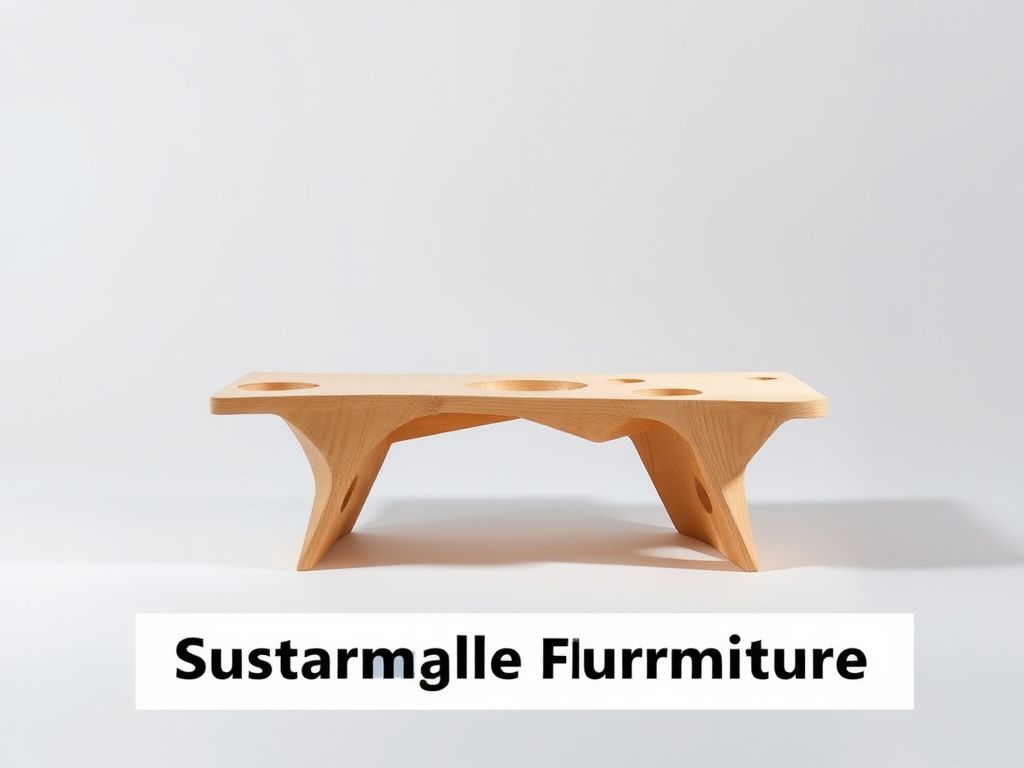
The Role of Laser Cutting in Sustainable Furniture Design
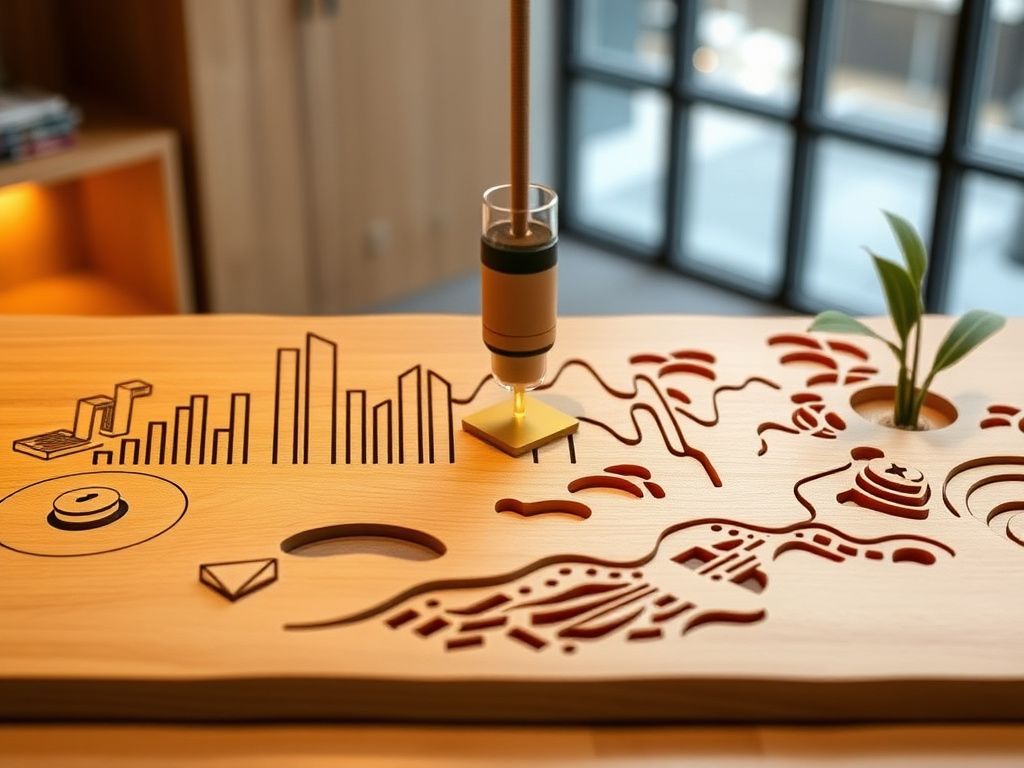
sustainable furniture design has become a cornerstone of modern manufacturing, driven by consumer demand for eco-friendly products and responsible production methods. Laser cutting technology plays a pivotal role in achieving sustainability goals by minimizing material waste, enabling precise cuts, and allowing the use of recycled or renewable materials. Unlike traditional cutting methods, laser cutting offers unparalleled accuracy, which reduces errors and scraps. This precision ensures that every piece of material is used efficiently, contributing to a lower environmental footprint.
The ability to create intricate patterns and complex geometries without additional tooling makes laser cutting ideal for sustainable furniture. Designers can optimize nesting layouts to maximize material usage, further reducing waste. Additionally, laser cutting supports the use of sustainable materials like bamboo, reclaimed wood, and recycled metals, aligning with circular economy principles.
How Laser Precision Enhances Sustainable Furniture Design
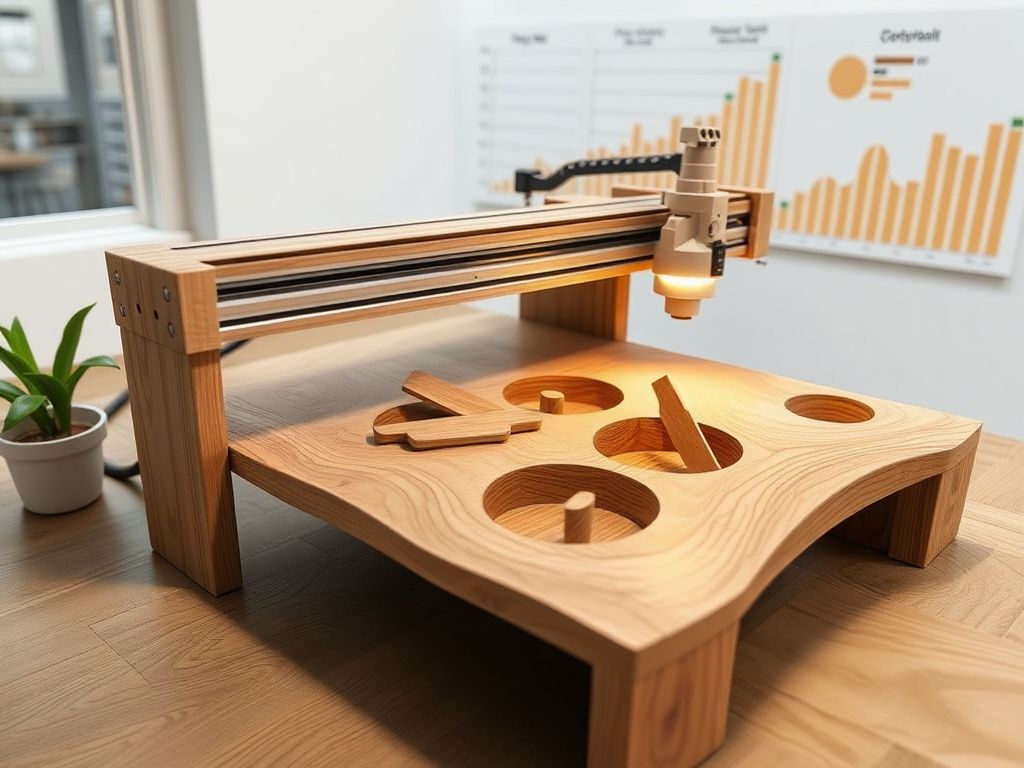
Laser cutting precision is a game-changer for sustainable furniture design. The technology allows for tight tolerances, ensuring that parts fit together perfectly without the need for adhesives or fasteners, which can be harmful to the environment. This precision also enables the creation of modular furniture systems that can be easily disassembled and recycled.
Material Efficiency and Waste Reduction
One of the most significant benefits of laser cutting in sustainable furniture design is material efficiency. Laser cutters can cut multiple parts from a single sheet with minimal kerf width, as discussed in our guide on kerf width laser cutting. This reduces the amount of raw material needed and decreases waste sent to landfills.
Design Flexibility for Eco-Friendly Furniture
Laser cutting allows designers to experiment with intricate patterns that can reduce material usage without compromising strength. For example, perforated designs or lattice structures can be created to use less material while maintaining structural integrity. This flexibility is essential for Customizing Modular Furniture with Laser cutting, enabling unique, sustainable pieces.
Materials and Techniques for Sustainable Furniture
Choosing the right materials is crucial for sustainable furniture design. Laser cutting works exceptionally well with eco-friendly materials such as birch plywood, bamboo, cork, and recycled acrylic. These materials can be cut cleanly without releasing harmful fumes, especially when using proper gas assistance, as detailed in our article on gas assistance laser cutting.
Wood and Bamboo
Wood is a renewable resource, and laser cutting allows for precise joinery that eliminates the need for toxic glues. Bamboo, known for its rapid growth and sustainability, can be laser-cut into elegant furniture components. The heat from the laser also seals the edges, reducing the need for additional finishes.
Recycled Metals and Acrylic
Recycled aluminum and steel are popular choices for durable furniture frames. Laser cutting ensures clean edges and accurate holes for assembly. For decorative elements, recycled acrylic offers a glossy finish and can be laser-cut into intricate shapes. Learn about the Durability of Laser-Cut Metal Frames to understand how they contribute to long-lasting furniture.
Design Principles for Sustainable Laser-Cut Furniture
To maximize sustainability, furniture designers should follow principles like design for disassembly, material optimization, and longevity. Laser cutting facilitates these principles by enabling precise cuts that allow parts to be easily separated for recycling or repair.
Modular and Multi-Functional Designs
Modular furniture systems are inherently sustainable because they can be reconfigured, reducing the need for new pieces. Laser cutting allows for the production of interchangeable components with exact fit, as seen in our guide on customizing modular furniture with laser cutting. This approach extends product life and reduces waste.
Minimalist and Timeless Aesthetics
Sustainable furniture often embraces minimalist design that transcends trends. Laser cutting can produce clean lines and subtle patterns that remain stylish for years. By avoiding overly complex designs, manufacturers can reduce material usage and simplify production.
Overcoming Challenges in Sustainable Laser-Cut Furniture
While laser cutting offers many benefits, challenges such as energy consumption and initial setup costs must be managed. However, the efficiency of modern laser systems has improved significantly. Using vector files optimized for nesting and minimizing cut time can reduce energy use. Our expert guide on vector files laser cutting preparation provides tips for efficient designs.
Another challenge is ensuring that the adhesives or finishes used are eco-friendly. Laser-cut joints can often eliminate the need for adhesives altogether, using interlocking mechanisms instead. This not only reduces chemical use but also makes recycling easier.
Future Trends in Sustainable Furniture Design with Laser Cutting
The future of sustainable furniture design is bright, with laser cutting at the forefront. Innovations in laser technology, such as fiber lasers, offer higher efficiency and lower energy consumption. Additionally, the rise of digital fabrication enables on-demand production, reducing inventory waste. As consumer awareness grows, the demand for transparent, eco-friendly manufacturing will drive further adoption of laser cutting.
Designers are also exploring bio-based materials that can be laser-cut, such as mycelium composites and agricultural waste fibers. These materials, combined with laser precision, could revolutionize the furniture industry.
If you are looking to create sustainable furniture with precision laser cuts, our team can help you from design to production. Contact us today to discuss your project and discover how laser cutting can bring your eco-friendly vision to life.